

GIVE THE PERFECT GIFT
Erin Mills Town Centre Gift Cards are the perfect choice for your gift giving needs.Purchase gift cards at kiosks near the food court or centre court, at Guest Services, or click below to purchase online.PURCHASE HEREHome
Deciding to Leave: the Politics of Retirement from United States Supreme Court
Indigo
Loading Inventory...
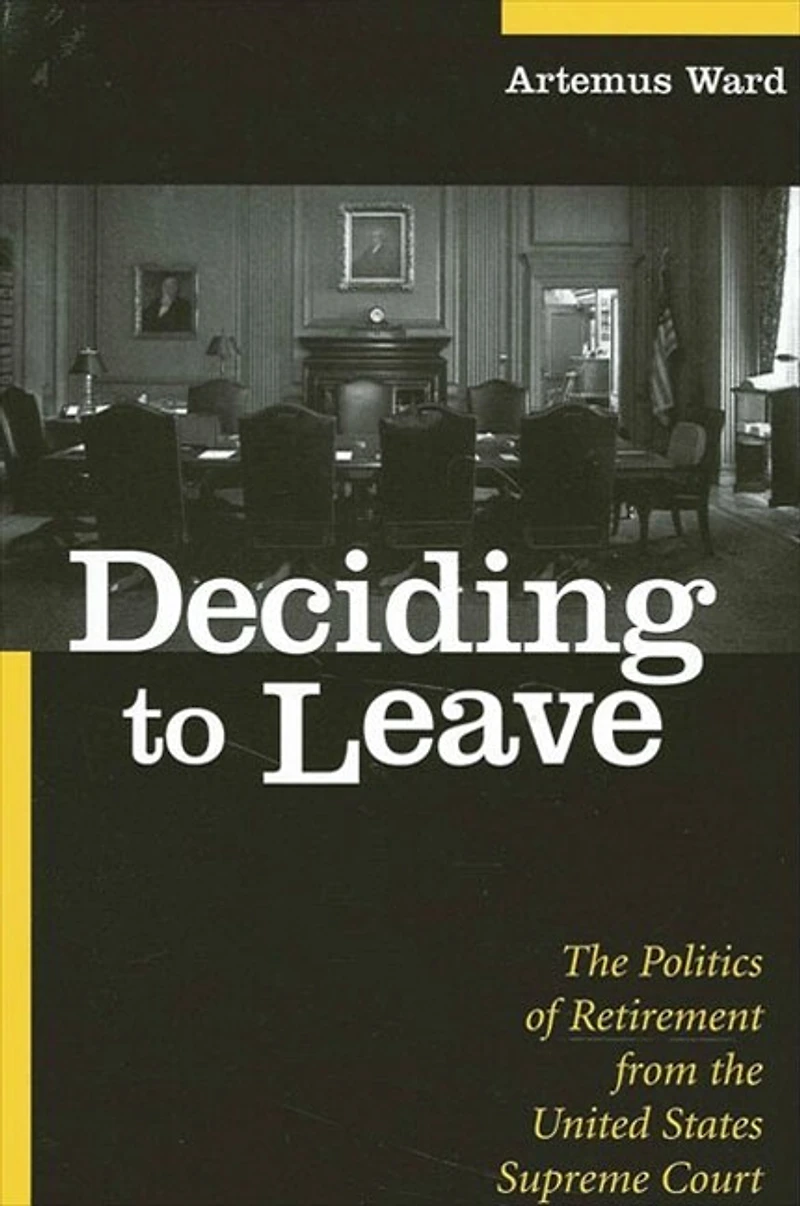
Deciding to Leave: the Politics of Retirement from United States Supreme Court
Current price: $135.95

Deciding to Leave: the Politics of Retirement from United States Supreme Court
Current price: $135.95
Loading Inventory...
Size: Hardcover
*Product information may vary - to confirm product availability, pricing, shipping and return information please contact Indigo
The first sustained examination of the process by which justices elect to leave the United States Supreme Court.
While much has been written on Supreme Court appointments, Deciding to Leave provides the first systematic look at the process by which justices decide to retire from the bench, and why this has become increasingly partisan in recent years. Since 1954, generous retirement provisions and decreasing workloads have allowed justices to depart strategically when a president of their own party occupies the White House. Otherwise, the justices remain in their seats, often past their ability to effectively participate in the work of the Court. While there are benefits and drawbacks to various reform proposals, Ward argues that mandatory retirement goes farthest in combating partisanship and protecting the institution of the Court.
The first sustained examination of the process by which justices elect to leave the United States Supreme Court.
While much has been written on Supreme Court appointments, Deciding to Leave provides the first systematic look at the process by which justices decide to retire from the bench, and why this has become increasingly partisan in recent years. Since 1954, generous retirement provisions and decreasing workloads have allowed justices to depart strategically when a president of their own party occupies the White House. Otherwise, the justices remain in their seats, often past their ability to effectively participate in the work of the Court. While there are benefits and drawbacks to various reform proposals, Ward argues that mandatory retirement goes farthest in combating partisanship and protecting the institution of the Court.
You May Also Like








More About Indigo at Erin Mills Town Centre
The largest book retailer in Canada also offers toys, music, home décor, gifts and lifestyle products. What's Inside...Books, Magazines, CD’s and DVD’s, Toys and Gifts, Home Accents, Electronics, Baby’s and Children’s Section, Bath and Body, Kitchen and Bedroom, Stationary Located outside in the exterior plaza.
5015 Glen Erin Dr, Mississauga, ON L5M 0R7, Canada
Find Indigo at Erin Mills Town Centre in Mississauga ON
Visit Indigo at Erin Mills Town Centre in Mississauga ON