

GIVE THE PERFECT GIFT
Erin Mills Town Centre Gift Cards are the perfect choice for your gift giving needs.Purchase gift cards at kiosks near the food court or centre court, at Guest Services, or click below to purchase online.PURCHASE HEREHome
Embodied Engineering: Gendered Labor, Food Security, And Taste Twentieth-century Mali
Indigo
Loading Inventory...
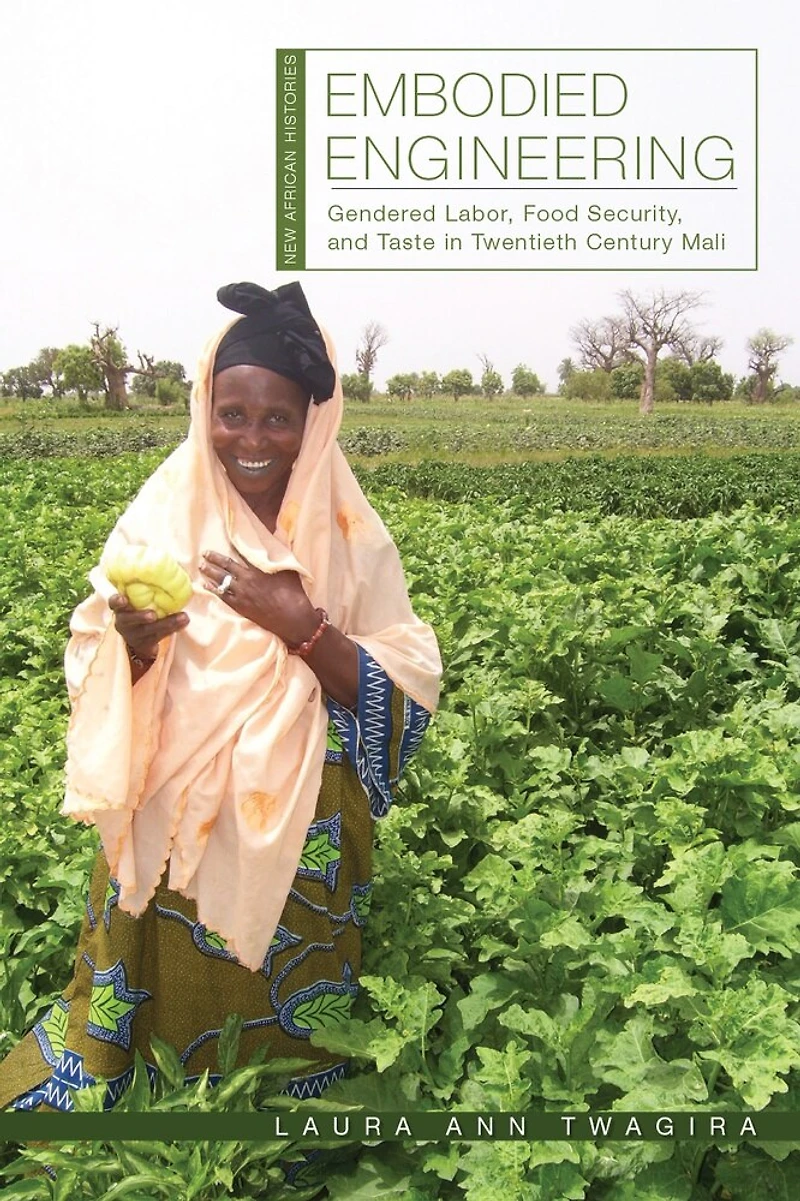
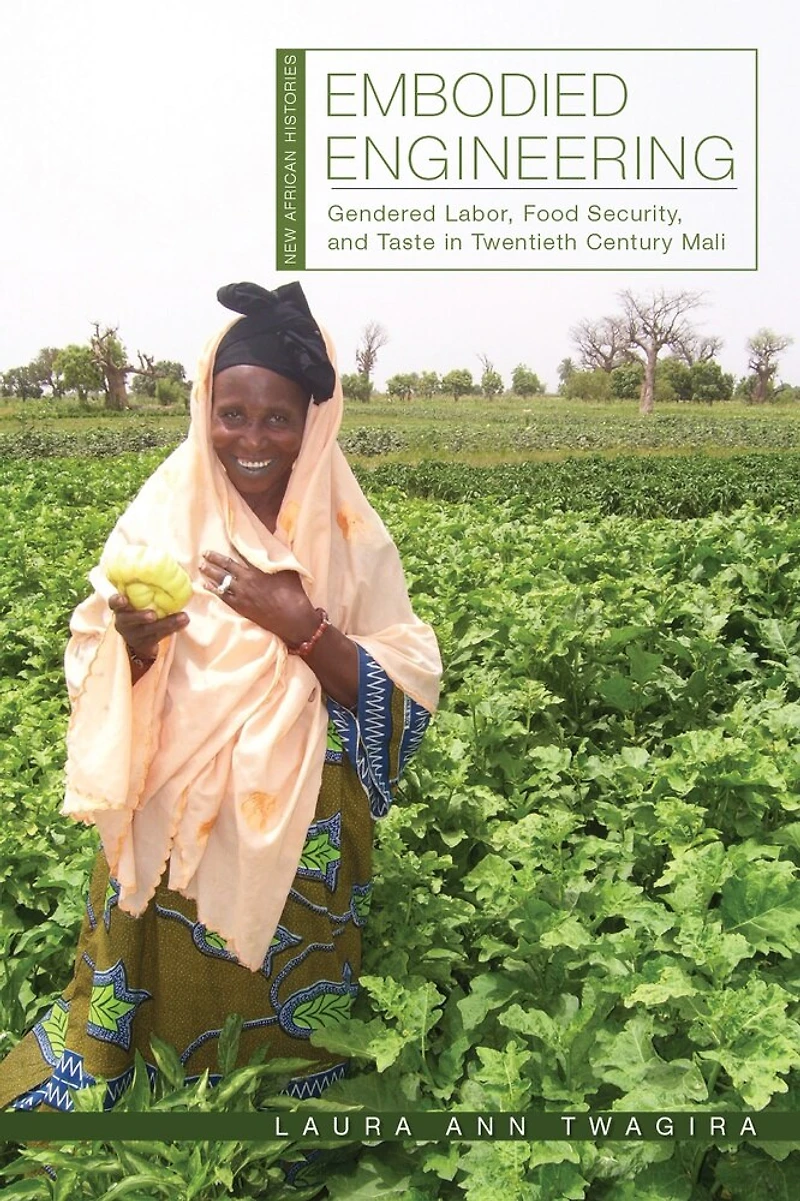
Embodied Engineering: Gendered Labor, Food Security, And Taste Twentieth-century Mali
Current price: $104.00

Embodied Engineering: Gendered Labor, Food Security, And Taste Twentieth-century Mali
Current price: $104.00
Loading Inventory...
Size: Hardcover
*Product information may vary - to confirm product availability, pricing, shipping and return information please contact Indigo
Foregrounding African women’s ingenuity and labor, this pioneering case study shows how women in rural Mali have used technology to ensure food security through the colonial period, environmental crises, and postcolonial rule.
By advocating for an understanding of rural Malian women as engineers , Laura Ann Twagira rejects the persistent image of African women as subjects without technological knowledge or access and instead reveals a hidden history about gender, development, and improvisation. In so doing, she also significantly expands the scope of African science and technology studies.
Using the Office du Niger agricultural project as a case study, Twagira argues that women used modest technologies (such as a mortar and pestle or metal pots) and organized female labor to create, maintain, and reengineer a complex and highly adaptive food production system. While women often incorporated labor-saving technologies into their work routines, they did not view their own physical labor as the problem it is so often framed to be in development narratives. Rather, women’s embodied techniques and knowledge were central to their ability to transform a development project centered on export production into an environmental resource that addressed local taste and consumption needs.
Foregrounding African women’s ingenuity and labor, this pioneering case study shows how women in rural Mali have used technology to ensure food security through the colonial period, environmental crises, and postcolonial rule.
By advocating for an understanding of rural Malian women as engineers , Laura Ann Twagira rejects the persistent image of African women as subjects without technological knowledge or access and instead reveals a hidden history about gender, development, and improvisation. In so doing, she also significantly expands the scope of African science and technology studies.
Using the Office du Niger agricultural project as a case study, Twagira argues that women used modest technologies (such as a mortar and pestle or metal pots) and organized female labor to create, maintain, and reengineer a complex and highly adaptive food production system. While women often incorporated labor-saving technologies into their work routines, they did not view their own physical labor as the problem it is so often framed to be in development narratives. Rather, women’s embodied techniques and knowledge were central to their ability to transform a development project centered on export production into an environmental resource that addressed local taste and consumption needs.
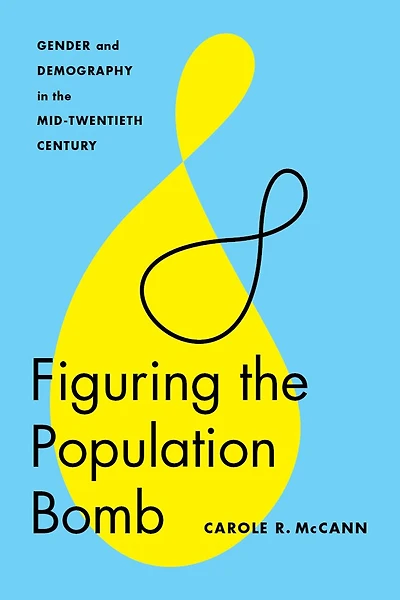
You May Also Like

















More About Indigo at Erin Mills Town Centre
The largest book retailer in Canada also offers toys, music, home décor, gifts and lifestyle products. What's Inside...Books, Magazines, CD’s and DVD’s, Toys and Gifts, Home Accents, Electronics, Baby’s and Children’s Section, Bath and Body, Kitchen and Bedroom, Stationary Located outside in the exterior plaza.
5015 Glen Erin Dr, Mississauga, ON L5M 0R7, Canada
Find Indigo at Erin Mills Town Centre in Mississauga ON
Visit Indigo at Erin Mills Town Centre in Mississauga ON