

GIVE THE PERFECT GIFT
Erin Mills Town Centre Gift Cards are the perfect choice for your gift giving needs.Purchase gift cards at kiosks near the food court or centre court, at Guest Services, or click below to purchase online.PURCHASE HEREHome
Empire That Would Not Die: The Paradox of Eastern Roman Survival, 640-740
Indigo
Loading Inventory...
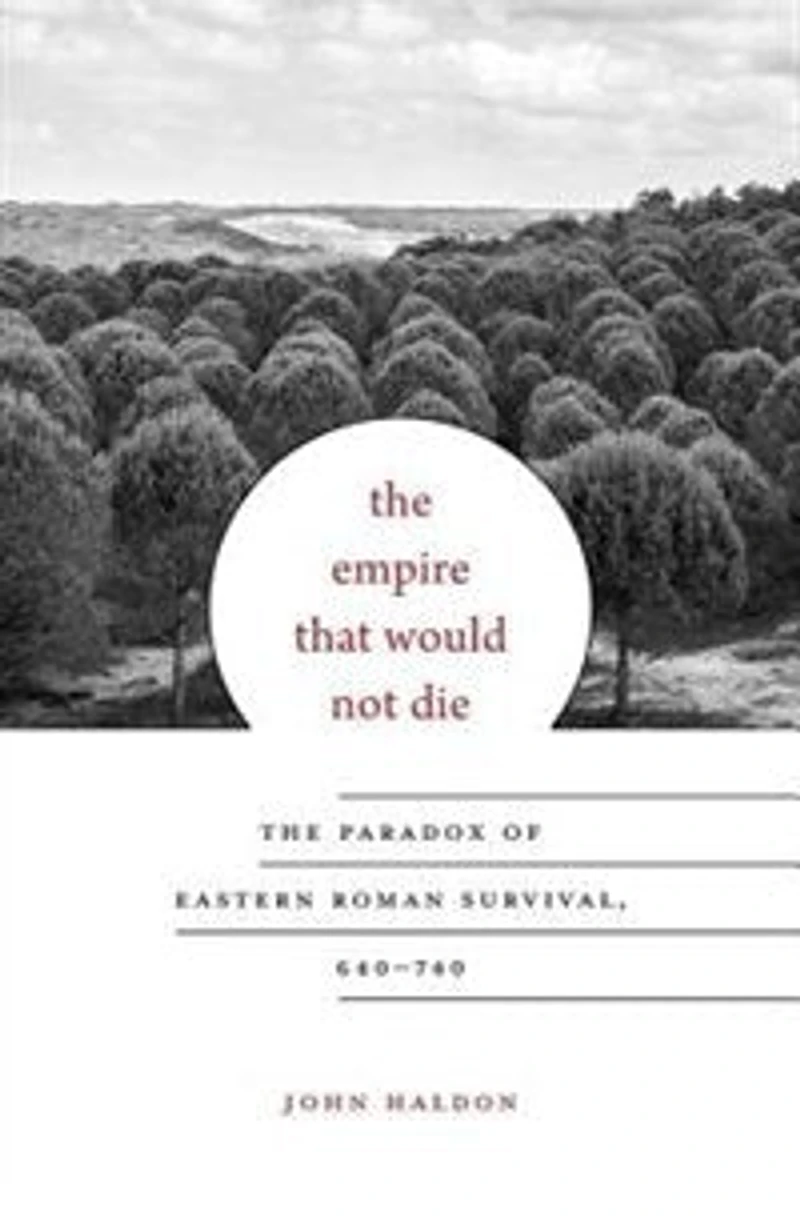
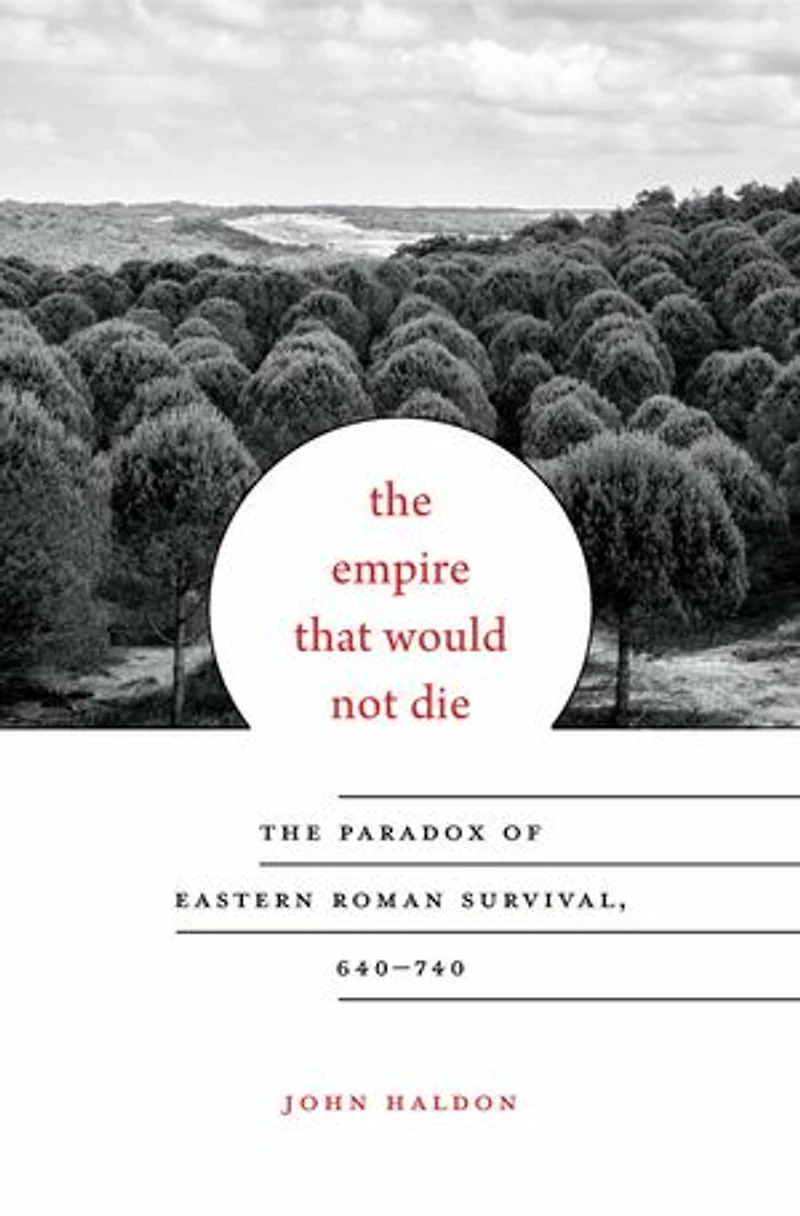
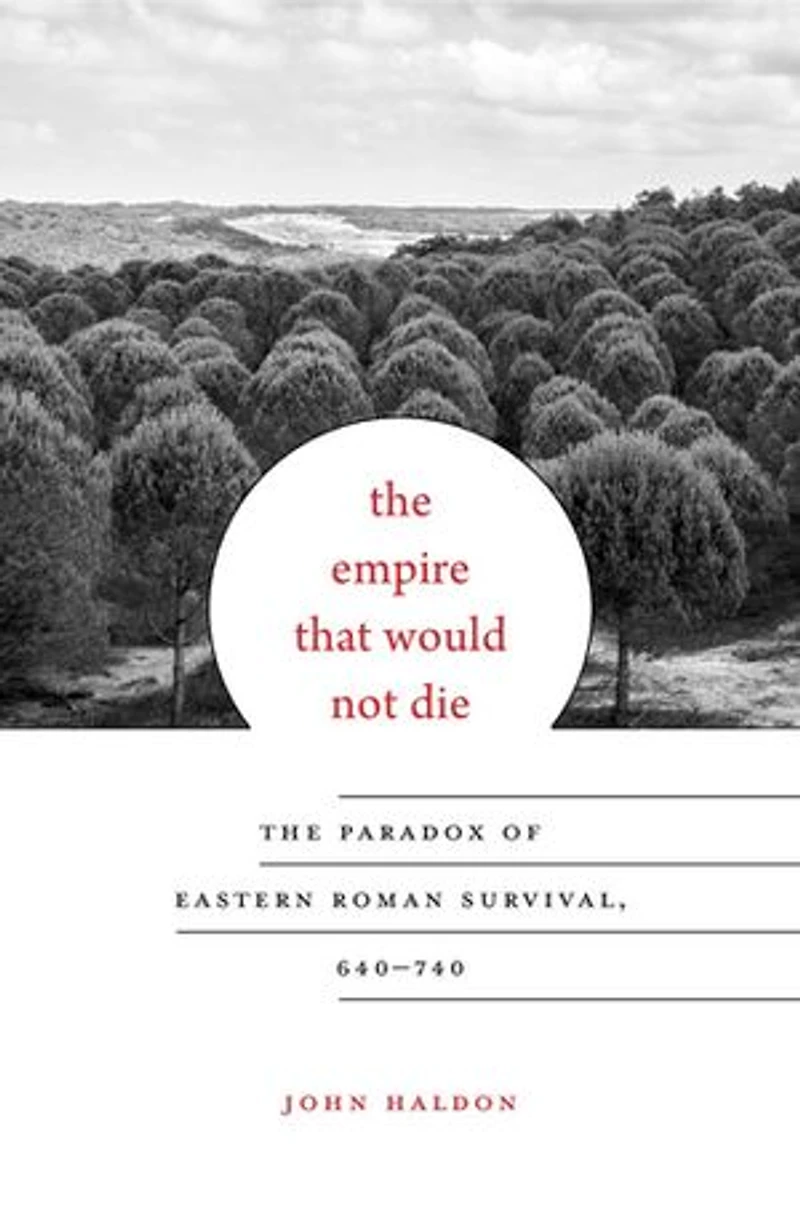
Empire That Would Not Die: The Paradox of Eastern Roman Survival, 640-740
Current price: $69.00

Empire That Would Not Die: The Paradox of Eastern Roman Survival, 640-740
Current price: $69.00
Loading Inventory...
Size: Hardcover
*Product information may vary - to confirm product availability, pricing, shipping and return information please contact Indigo
The eastern Roman Empire was the largest state in western Eurasia in the sixth century. Only a century later, it was a fraction of its former size. Surrounded by enemies, ravaged by warfare and disease, the empire seemed destined to collapse. Yet it did not die. In this holistic analysis, John Haldon elucidates the factors that allowed the eastern Roman Empire to survive against all odds into the eighth century.
By 700 CE the empire had lost three-quarters of its territory to the Islamic caliphate. But the rugged geography of its remaining territories in Anatolia and the Aegean was strategically advantageous, preventing enemies from permanently occupying imperial towns and cities while leaving them vulnerable to Roman counterattacks. The more the empire shrank, the more it became centered around the capital of Constantinople, whose ability to withstand siege after siege proved decisive. Changes in climate also played a role, permitting shifts in agricultural production that benefitted the imperial economy.
At the same time, the crisis confronting the empire forced the imperial court, the provincial ruling classes, and the church closer together. State and church together embodied a sacralized empire that held the emperor, not the patriarch, as Christendom’s symbolic head. Despite its territorial losses, the empire suffered no serious political rupture. What remained became the heartland of a medieval Christian Roman state, with a powerful political theology that predicted the emperor would eventually prevail against God’s enemies and establish Orthodox Christianity’s world dominion.
The eastern Roman Empire was the largest state in western Eurasia in the sixth century. Only a century later, it was a fraction of its former size. Surrounded by enemies, ravaged by warfare and disease, the empire seemed destined to collapse. Yet it did not die. In this holistic analysis, John Haldon elucidates the factors that allowed the eastern Roman Empire to survive against all odds into the eighth century.
By 700 CE the empire had lost three-quarters of its territory to the Islamic caliphate. But the rugged geography of its remaining territories in Anatolia and the Aegean was strategically advantageous, preventing enemies from permanently occupying imperial towns and cities while leaving them vulnerable to Roman counterattacks. The more the empire shrank, the more it became centered around the capital of Constantinople, whose ability to withstand siege after siege proved decisive. Changes in climate also played a role, permitting shifts in agricultural production that benefitted the imperial economy.
At the same time, the crisis confronting the empire forced the imperial court, the provincial ruling classes, and the church closer together. State and church together embodied a sacralized empire that held the emperor, not the patriarch, as Christendom’s symbolic head. Despite its territorial losses, the empire suffered no serious political rupture. What remained became the heartland of a medieval Christian Roman state, with a powerful political theology that predicted the emperor would eventually prevail against God’s enemies and establish Orthodox Christianity’s world dominion.
You May Also Like







More About Indigo at Erin Mills Town Centre
The largest book retailer in Canada also offers toys, music, home décor, gifts and lifestyle products. What's Inside...Books, Magazines, CD’s and DVD’s, Toys and Gifts, Home Accents, Electronics, Baby’s and Children’s Section, Bath and Body, Kitchen and Bedroom, Stationary Located outside in the exterior plaza.
5015 Glen Erin Dr, Mississauga, ON L5M 0R7, Canada
Find Indigo at Erin Mills Town Centre in Mississauga ON
Visit Indigo at Erin Mills Town Centre in Mississauga ON