

GIVE THE PERFECT GIFT
Erin Mills Town Centre Gift Cards are the perfect choice for your gift giving needs.Purchase gift cards at kiosks near the food court or centre court, at Guest Services, or click below to purchase online.PURCHASE HEREHome
Experts and Democratic Legitimacy: Tracing the Social Ties of Expert Bodies Europe
Indigo
Loading Inventory...
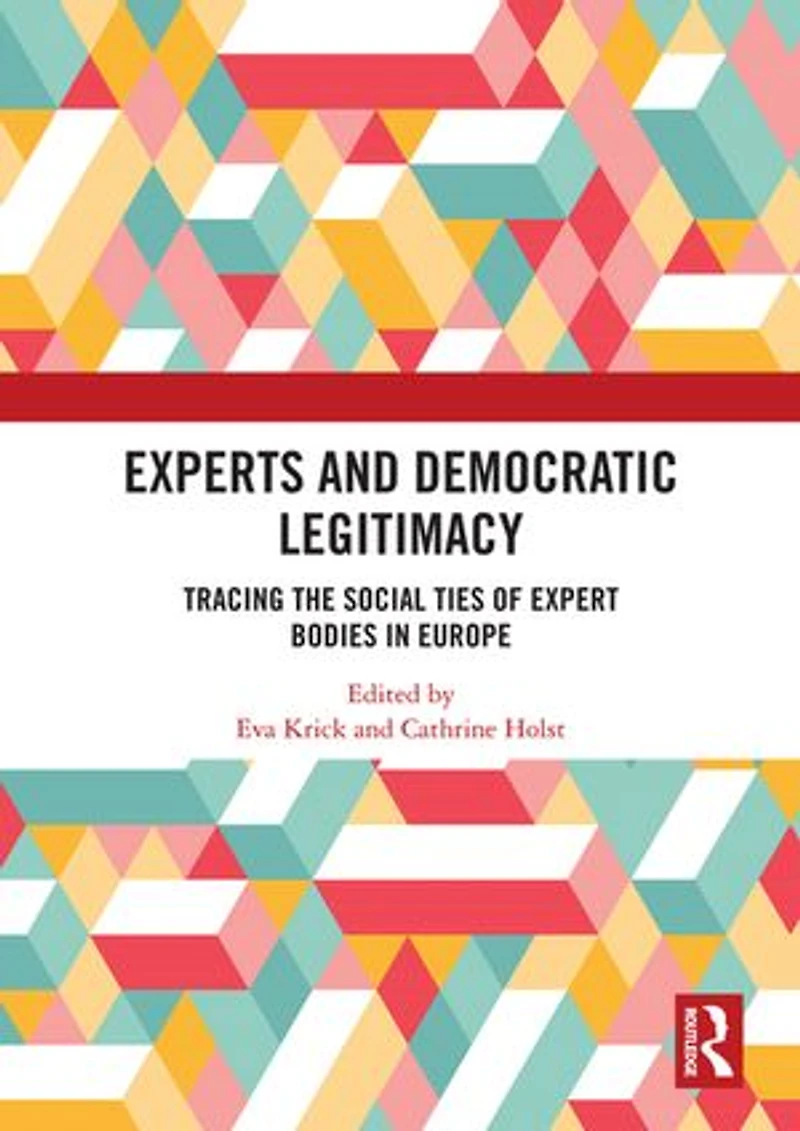
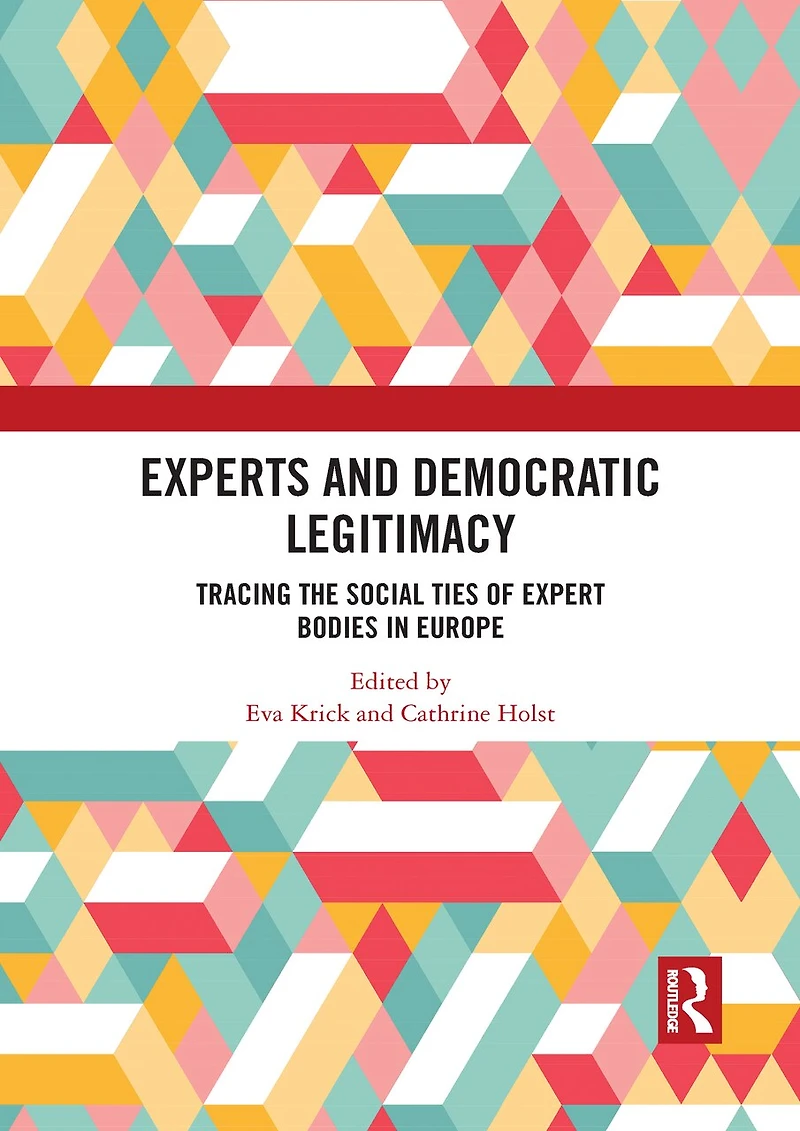
Experts and Democratic Legitimacy: Tracing the Social Ties of Expert Bodies Europe
Current price: $81.42

Experts and Democratic Legitimacy: Tracing the Social Ties of Expert Bodies Europe
Current price: $81.42
Loading Inventory...
Size: Kobo eBook
*Product information may vary - to confirm product availability, pricing, shipping and return information please contact Indigo
Experts and Democratic Legitimacy challenges the technocratic reading of expert bodies, such as central banks, advisory committees and regulatory agencies.
Expert contributors ask in what way expert bodies are subject to some of the key pressures in contemporary governance, such as democratisation, politicisation and expertisation. Based on empirical studies, the book traces the multiple social ties of expert bodies and refines the common perception of expert bodies as 'de-politicised' institutions that are detached from political interference and societal input. It further theorises the tension and reconcilability between reliable, independent expert knowledge on the one hand and the need for accountability and legitimacy in modern policy-making on the other hand.
Refining the detached, de-politicised image of non-majoritarian institutions, Experts and Democratic Legitimacy will be of great interest to scholars of European studies, political and social theory, modern governance and policy-making. This book was originally published as a special issue of European Politics and Society .
Experts and Democratic Legitimacy challenges the technocratic reading of expert bodies, such as central banks, advisory committees and regulatory agencies.
Expert contributors ask in what way expert bodies are subject to some of the key pressures in contemporary governance, such as democratisation, politicisation and expertisation. Based on empirical studies, the book traces the multiple social ties of expert bodies and refines the common perception of expert bodies as 'de-politicised' institutions that are detached from political interference and societal input. It further theorises the tension and reconcilability between reliable, independent expert knowledge on the one hand and the need for accountability and legitimacy in modern policy-making on the other hand.
Refining the detached, de-politicised image of non-majoritarian institutions, Experts and Democratic Legitimacy will be of great interest to scholars of European studies, political and social theory, modern governance and policy-making. This book was originally published as a special issue of European Politics and Society .
You May Also Like











More About Indigo at Erin Mills Town Centre
The largest book retailer in Canada also offers toys, music, home décor, gifts and lifestyle products. What's Inside...Books, Magazines, CD’s and DVD’s, Toys and Gifts, Home Accents, Electronics, Baby’s and Children’s Section, Bath and Body, Kitchen and Bedroom, Stationary Located outside in the exterior plaza.
5015 Glen Erin Dr, Mississauga, ON L5M 0R7, Canada
Find Indigo at Erin Mills Town Centre in Mississauga ON
Visit Indigo at Erin Mills Town Centre in Mississauga ON