

GIVE THE PERFECT GIFT
Erin Mills Town Centre Gift Cards are the perfect choice for your gift giving needs.Purchase gift cards at kiosks near the food court or centre court, at Guest Services, or click below to purchase online.PURCHASE HEREHome
Family Firms and Merchant Capitalism Early Modern Europe: the Business, Bankruptcy Resilience of Hochstetters Augsburg
Indigo
Loading Inventory...
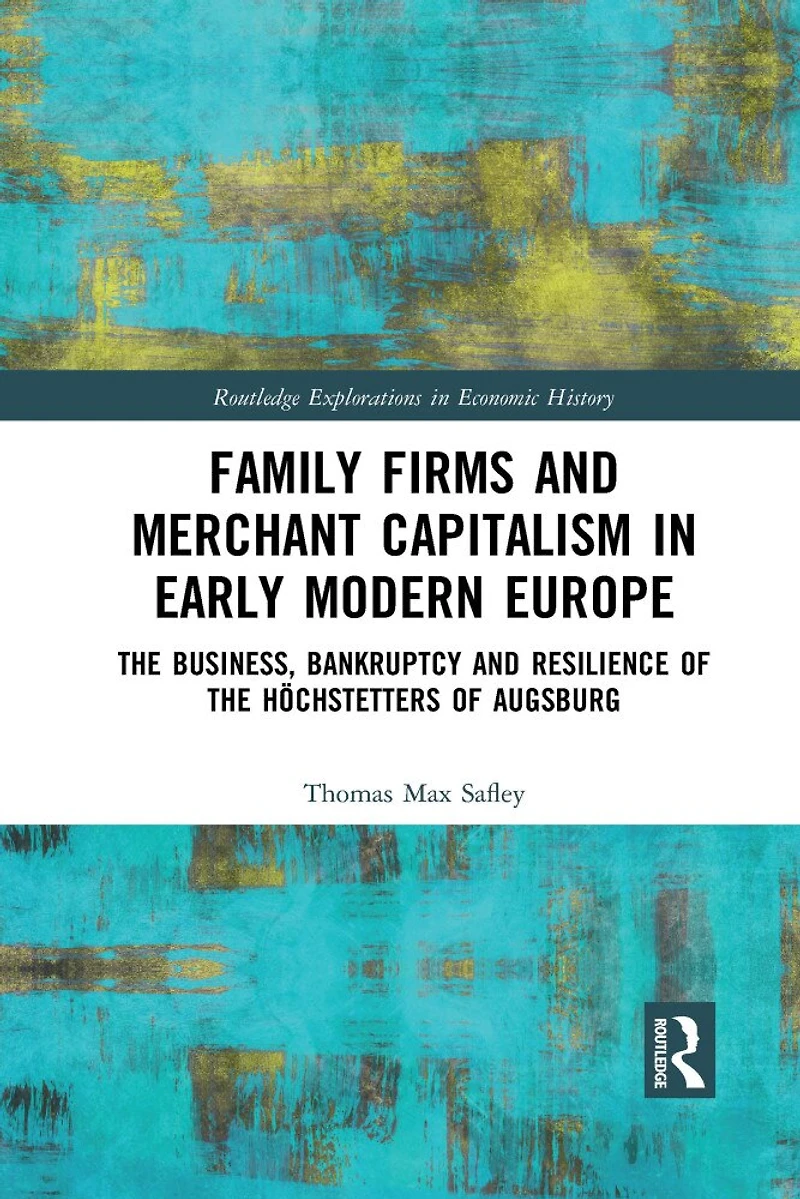
Family Firms and Merchant Capitalism Early Modern Europe: the Business, Bankruptcy Resilience of Hochstetters Augsburg
Current price: $85.49

Family Firms and Merchant Capitalism Early Modern Europe: the Business, Bankruptcy Resilience of Hochstetters Augsburg
Current price: $85.49
Loading Inventory...
Size: Kobo eBook
*Product information may vary - to confirm product availability, pricing, shipping and return information please contact Indigo
This fascinating study follows the fortunes of the Höchstetter family, merchant-manufacturers and financiers of Augsburg, Germany, in the late-fifteenth and early-sixteenth centuries, and sheds light on the economic and social history of failure and resilience in early modern Europe. Carefully tracing the chronology of the family's rise, fall and transformation, it moves from the micro- to the macro-level, making comparisons with other mercantile families of the time to draw conclusions and suggest insights into such issues as social mobility, capitalist organization, business techniques, market practices and economic institutions. The result is a microhistory that offers macro-conclusions about the lived experience of early capitalism and capitalistic practices.
This book will be valuable reading for advanced students and researchers of economic, financial and business history, legal history and early modern European history.
This fascinating study follows the fortunes of the Höchstetter family, merchant-manufacturers and financiers of Augsburg, Germany, in the late-fifteenth and early-sixteenth centuries, and sheds light on the economic and social history of failure and resilience in early modern Europe. Carefully tracing the chronology of the family's rise, fall and transformation, it moves from the micro- to the macro-level, making comparisons with other mercantile families of the time to draw conclusions and suggest insights into such issues as social mobility, capitalist organization, business techniques, market practices and economic institutions. The result is a microhistory that offers macro-conclusions about the lived experience of early capitalism and capitalistic practices.
This book will be valuable reading for advanced students and researchers of economic, financial and business history, legal history and early modern European history.
You May Also Like








More About Indigo at Erin Mills Town Centre
The largest book retailer in Canada also offers toys, music, home décor, gifts and lifestyle products. What's Inside...Books, Magazines, CD’s and DVD’s, Toys and Gifts, Home Accents, Electronics, Baby’s and Children’s Section, Bath and Body, Kitchen and Bedroom, Stationary Located outside in the exterior plaza.
5015 Glen Erin Dr, Mississauga, ON L5M 0R7, Canada
Find Indigo at Erin Mills Town Centre in Mississauga ON
Visit Indigo at Erin Mills Town Centre in Mississauga ON