

GIVE THE PERFECT GIFT
Erin Mills Town Centre Gift Cards are the perfect choice for your gift giving needs.Purchase gift cards at kiosks near the food court or centre court, at Guest Services, or click below to purchase online.PURCHASE HEREHome
Gothic Remains: Corpses, Terror and Anatomical Culture, 1764–1897
Indigo
Loading Inventory...
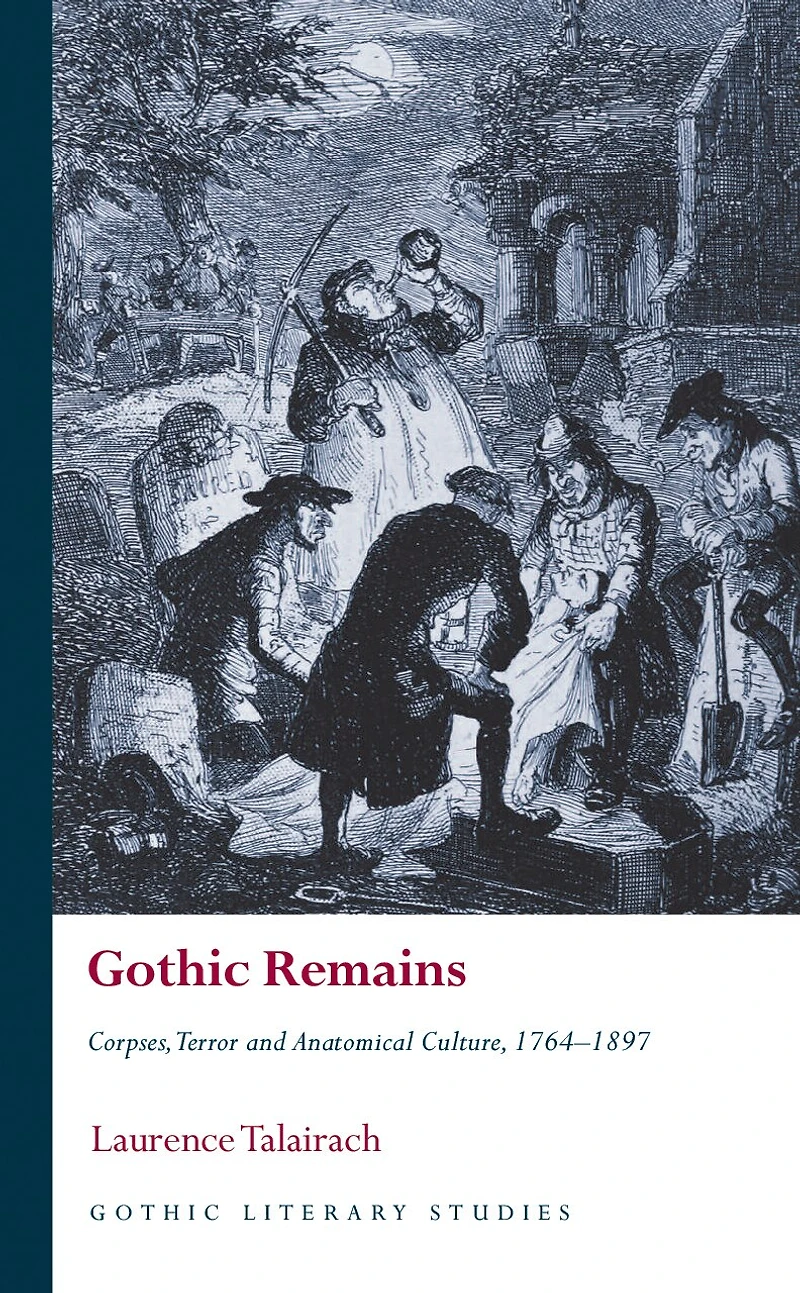
Gothic Remains: Corpses, Terror and Anatomical Culture, 1764–1897
Current price: $124.95

Gothic Remains: Corpses, Terror and Anatomical Culture, 1764–1897
Current price: $124.95
Loading Inventory...
Size: Hardcover
*Product information may vary - to confirm product availability, pricing, shipping and return information please contact Indigo
The Gothic has always been fascinated with objects carrying with them a sense of horror – the decomposing body, the rigid corpse, the bleeding statue, the spectral skeleton – capable of creating a sublime form of beauty. Gothic Remains: Corpses, Terror and Anatomical Culture, 1764–1897 offers an exploration of those Gothic tropes and conventions that were most thoroughly steeped in the anatomical culture of the period – from skeletons, used to understand human anatomy, to pathological human remains exhibited in medical museums; from bodysnatching aimed at providing dissection subjects, to live-burials resulting from medical misdiagnoses and pointing to contemporary research into the signs of death. The historicist reading of canonical and less-known Gothic texts proposed throughout Gothic Remains, explored through the prism of anatomy, seeks to offer new insights into the ways in which medical practice and the medical sciences informed the aesthetics of pain and death typically read therein, and the two-way traffic that emerged between medical literature and literary texts.
The Gothic has always been fascinated with objects carrying with them a sense of horror – the decomposing body, the rigid corpse, the bleeding statue, the spectral skeleton – capable of creating a sublime form of beauty. Gothic Remains: Corpses, Terror and Anatomical Culture, 1764–1897 offers an exploration of those Gothic tropes and conventions that were most thoroughly steeped in the anatomical culture of the period – from skeletons, used to understand human anatomy, to pathological human remains exhibited in medical museums; from bodysnatching aimed at providing dissection subjects, to live-burials resulting from medical misdiagnoses and pointing to contemporary research into the signs of death. The historicist reading of canonical and less-known Gothic texts proposed throughout Gothic Remains, explored through the prism of anatomy, seeks to offer new insights into the ways in which medical practice and the medical sciences informed the aesthetics of pain and death typically read therein, and the two-way traffic that emerged between medical literature and literary texts.
You May Also Like








More About Indigo at Erin Mills Town Centre
The largest book retailer in Canada also offers toys, music, home décor, gifts and lifestyle products. What's Inside...Books, Magazines, CD’s and DVD’s, Toys and Gifts, Home Accents, Electronics, Baby’s and Children’s Section, Bath and Body, Kitchen and Bedroom, Stationary Located outside in the exterior plaza.
5015 Glen Erin Dr, Mississauga, ON L5M 0R7, Canada
Find Indigo at Erin Mills Town Centre in Mississauga ON
Visit Indigo at Erin Mills Town Centre in Mississauga ON