

GIVE THE PERFECT GIFT
Erin Mills Town Centre Gift Cards are the perfect choice for your gift giving needs.Purchase gift cards at kiosks near the food court or centre court, at Guest Services, or click below to purchase online.PURCHASE HEREHome
Hebrew Orientalism: Jewish Engagement with Arabo-Islamic Culture Late Ottoman and British Palestine
Indigo
Loading Inventory...
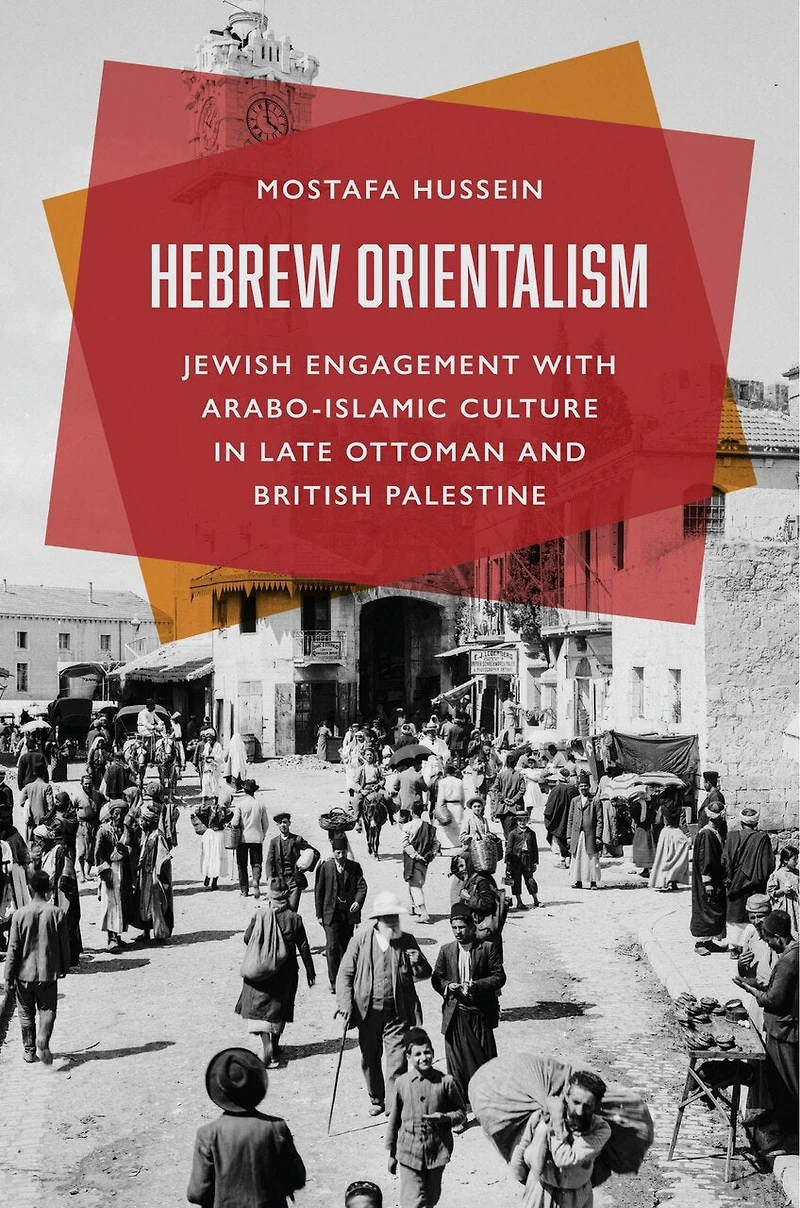
Hebrew Orientalism: Jewish Engagement with Arabo-Islamic Culture Late Ottoman and British Palestine
Current price: $135.00

Hebrew Orientalism: Jewish Engagement with Arabo-Islamic Culture Late Ottoman and British Palestine
Current price: $135.00
Loading Inventory...
Size: Hardcover
*Product information may vary - to confirm product availability, pricing, shipping and return information please contact Indigo
How Jewish writers in late Ottoman and British mandate Palestine used Arabo-Islamic culture to advance the goals of Zionism
In the decades before the establishment of a Jewish state in 1948, native and immigrant Jews in Palestine mediated between Jewish and Arab cultures while navigating their evolving identities as settler colonists. Hebrew Orientalism challenges the conventional view that Hebrew thinkers were dismissive of Arabo-Islamic culture, revealing how they both adopted and adapted elements of it that enhanced Zionist aims.
Drawing on a wealth of sources ranging from Arabic medieval chronicles, travel narratives, and poetry to modern Hebrew geography and botany texts, Mostafa Hussein provides a nuanced understanding of Hebrew orientalism by focusing on the practical activities of Hebrew writers, such as recuperating the Jewish past in the East, constructing Jewish indigeneity, consolidating Jewish ties to Palestine’s landscape, enhancing understanding of the Hebrew Bible, reviving Hebrew language, and undertaking translation projects. Through the lens of a diverse group of Jewish intellectuals—ranging from Palestine-born Sephardi/Oriental and Ashkenazi Jews to Eastern European immigrants—he unveils the complex realities of cultural exchange and knowledge production, highlighting the dual role of these intellectuals in connecting with the East and promoting Zionist aspirations. Hussein offers fresh insights into the role of scholarly practices in advancing new perspectives on the region and its peoples and forging a modern Zionist Hebrew identity.
Illuminating the intricate and often contradictory engagement of Hebrew scholars with Arabo-Islamic culture, Hebrew Orientalism informs contemporary discussions of postcolonialism and settler colonialism and enriches our understanding of the historical dynamics between Jews and Arabs in Palestine.
How Jewish writers in late Ottoman and British mandate Palestine used Arabo-Islamic culture to advance the goals of Zionism
In the decades before the establishment of a Jewish state in 1948, native and immigrant Jews in Palestine mediated between Jewish and Arab cultures while navigating their evolving identities as settler colonists. Hebrew Orientalism challenges the conventional view that Hebrew thinkers were dismissive of Arabo-Islamic culture, revealing how they both adopted and adapted elements of it that enhanced Zionist aims.
Drawing on a wealth of sources ranging from Arabic medieval chronicles, travel narratives, and poetry to modern Hebrew geography and botany texts, Mostafa Hussein provides a nuanced understanding of Hebrew orientalism by focusing on the practical activities of Hebrew writers, such as recuperating the Jewish past in the East, constructing Jewish indigeneity, consolidating Jewish ties to Palestine’s landscape, enhancing understanding of the Hebrew Bible, reviving Hebrew language, and undertaking translation projects. Through the lens of a diverse group of Jewish intellectuals—ranging from Palestine-born Sephardi/Oriental and Ashkenazi Jews to Eastern European immigrants—he unveils the complex realities of cultural exchange and knowledge production, highlighting the dual role of these intellectuals in connecting with the East and promoting Zionist aspirations. Hussein offers fresh insights into the role of scholarly practices in advancing new perspectives on the region and its peoples and forging a modern Zionist Hebrew identity.
Illuminating the intricate and often contradictory engagement of Hebrew scholars with Arabo-Islamic culture, Hebrew Orientalism informs contemporary discussions of postcolonialism and settler colonialism and enriches our understanding of the historical dynamics between Jews and Arabs in Palestine.
You May Also Like













More About Indigo at Erin Mills Town Centre
The largest book retailer in Canada also offers toys, music, home décor, gifts and lifestyle products. What's Inside...Books, Magazines, CD’s and DVD’s, Toys and Gifts, Home Accents, Electronics, Baby’s and Children’s Section, Bath and Body, Kitchen and Bedroom, Stationary Located outside in the exterior plaza.
5015 Glen Erin Dr, Mississauga, ON L5M 0R7, Canada
Find Indigo at Erin Mills Town Centre in Mississauga ON
Visit Indigo at Erin Mills Town Centre in Mississauga ON