

GIVE THE PERFECT GIFT
Erin Mills Town Centre Gift Cards are the perfect choice for your gift giving needs.Purchase gift cards at kiosks near the food court or centre court, at Guest Services, or click below to purchase online.PURCHASE HEREHome
Imagining Judeo-Christian America: Religion, Secularism, and the Redefinition of Democracy
Indigo
Loading Inventory...
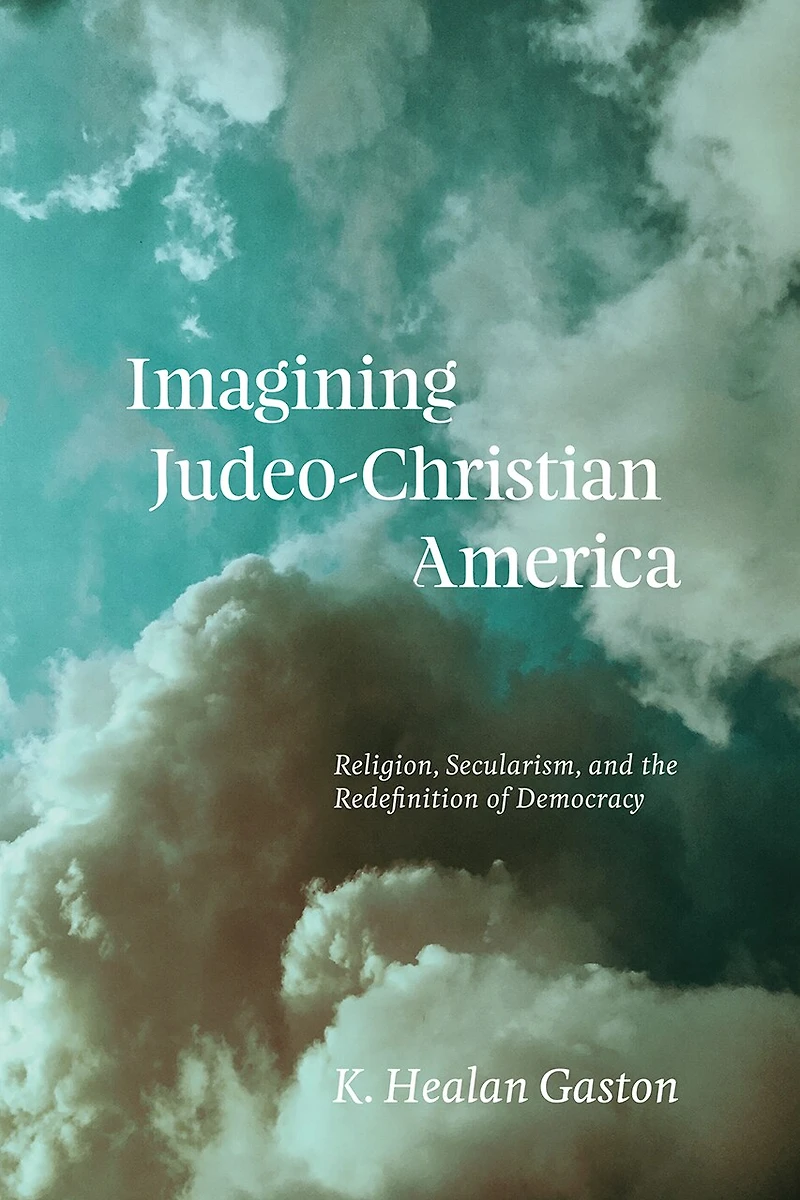
Imagining Judeo-Christian America: Religion, Secularism, and the Redefinition of Democracy
Current price: $23.19
Original price: $28.99

Imagining Judeo-Christian America: Religion, Secularism, and the Redefinition of Democracy
Current price: $23.19
Original price: $28.99
Loading Inventory...
Size: Kobo eBook
*Product information may vary - to confirm product availability, pricing, shipping and return information please contact Indigo
“Judeo-Christian” is a remarkably easy term to look right through. Judaism and Christianity obviously share tenets, texts, and beliefs that have strongly influenced American democracy. In this ambitious book, however, K. Healan Gaston challenges the myth of a monolithic Judeo-Christian America. She demonstrates that the idea is not only a recent and deliberate construct, but also a potentially dangerous one. From the time of its widespread adoption in the 1930s, the ostensible inclusiveness of Judeo-Christian terminology concealed efforts to promote particular conceptions of religion, secularism, and politics. Gaston also shows that this new language, originally rooted in arguments over the nature of democracy that intensified in the early Cold War years, later became a marker in the culture wars that continue today. She argues that the debate on what constituted Judeo-Christian—and American—identity has shaped the country’s religious and political culture much more extensively than previously recognized.
“Judeo-Christian” is a remarkably easy term to look right through. Judaism and Christianity obviously share tenets, texts, and beliefs that have strongly influenced American democracy. In this ambitious book, however, K. Healan Gaston challenges the myth of a monolithic Judeo-Christian America. She demonstrates that the idea is not only a recent and deliberate construct, but also a potentially dangerous one. From the time of its widespread adoption in the 1930s, the ostensible inclusiveness of Judeo-Christian terminology concealed efforts to promote particular conceptions of religion, secularism, and politics. Gaston also shows that this new language, originally rooted in arguments over the nature of democracy that intensified in the early Cold War years, later became a marker in the culture wars that continue today. She argues that the debate on what constituted Judeo-Christian—and American—identity has shaped the country’s religious and political culture much more extensively than previously recognized.
You May Also Like







More About Indigo at Erin Mills Town Centre
The largest book retailer in Canada also offers toys, music, home décor, gifts and lifestyle products. What's Inside...Books, Magazines, CD’s and DVD’s, Toys and Gifts, Home Accents, Electronics, Baby’s and Children’s Section, Bath and Body, Kitchen and Bedroom, Stationary Located outside in the exterior plaza.
5015 Glen Erin Dr, Mississauga, ON L5M 0R7, Canada
Find Indigo at Erin Mills Town Centre in Mississauga ON
Visit Indigo at Erin Mills Town Centre in Mississauga ON