

GIVE THE PERFECT GIFT
Erin Mills Town Centre Gift Cards are the perfect choice for your gift giving needs.Purchase gift cards at kiosks near the food court or centre court, at Guest Services, or click below to purchase online.PURCHASE HEREHome
Indian Africa: Minorities of Indian-Pakistani Origin Eastern Africa
Indigo
Loading Inventory...
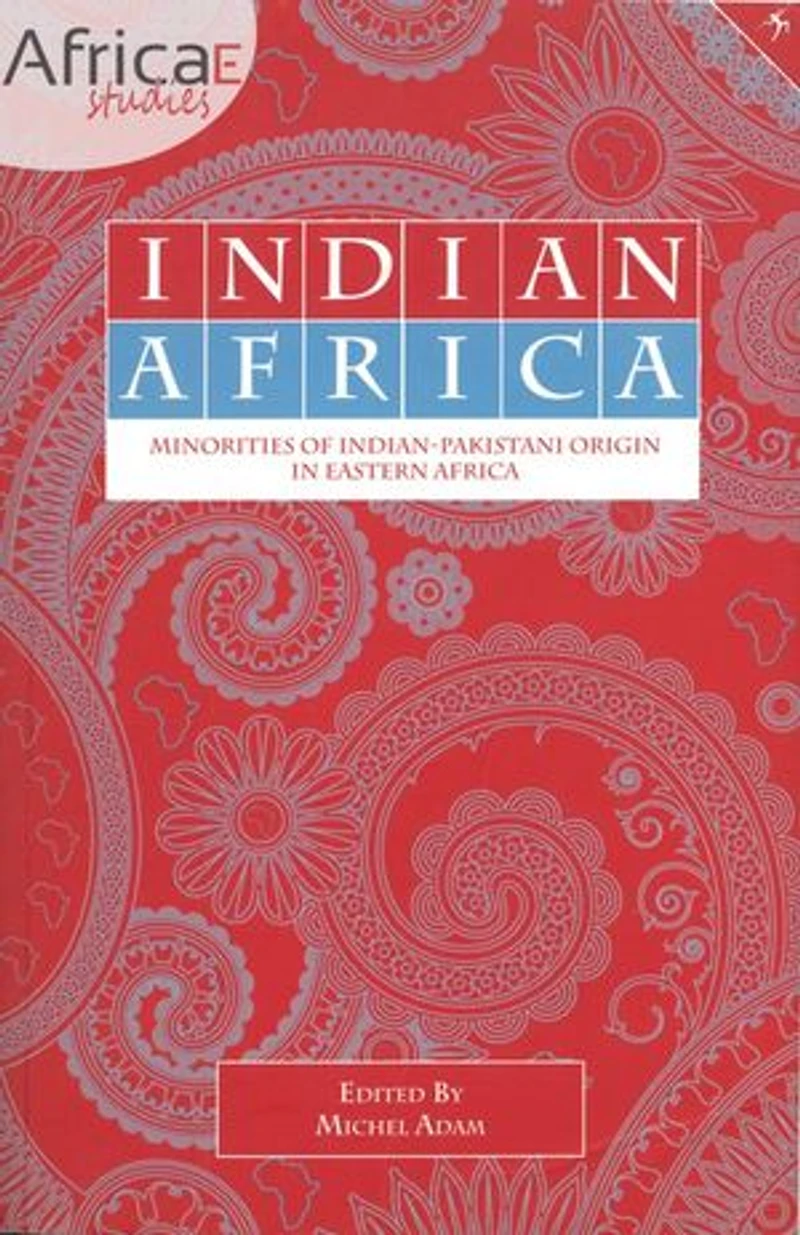
Indian Africa: Minorities of Indian-Pakistani Origin Eastern Africa
Current price: $8.99

Indian Africa: Minorities of Indian-Pakistani Origin Eastern Africa
Current price: $8.99
Loading Inventory...
Size: Kobo eBook
*Product information may vary - to confirm product availability, pricing, shipping and return information please contact Indigo
Kenya, Uganda and Tanzania have minorities from the Indian sub-continent amongst their population. The East African Indians mostly reside in the main cities, particularly Nairobi, Dar es Salaam, Zanzibar, Mombasa, Kampala; they can also be found in smaller urban centres and in the remotest of rural townships. They play a leading social and economic role as they work in business, manufacturing and the service industry, and make up a large proportion of the liberal professions. They are divided into multiple socio-religions communities, but united in a mutual feeling of meta-cultural identity. This book aims at painting a broad picture of the communities of Indian origin in East Africa, striving to include changes that have occurred since the end of the 1980s. The different contributions explore questions of race and citizenship, national loyalties and cosmopolitan identities, local attachment and transnational networks. Drawing upon anthropology, history, sociology and demography, Indian Africa depicts a multifaceted population and analyses how the past and the present shape their sense of belonging, their relations with others, their professional and political engagement. This book is a must-read for contemporary researchers, students, policy practitioners as well as the general reader.
Kenya, Uganda and Tanzania have minorities from the Indian sub-continent amongst their population. The East African Indians mostly reside in the main cities, particularly Nairobi, Dar es Salaam, Zanzibar, Mombasa, Kampala; they can also be found in smaller urban centres and in the remotest of rural townships. They play a leading social and economic role as they work in business, manufacturing and the service industry, and make up a large proportion of the liberal professions. They are divided into multiple socio-religions communities, but united in a mutual feeling of meta-cultural identity. This book aims at painting a broad picture of the communities of Indian origin in East Africa, striving to include changes that have occurred since the end of the 1980s. The different contributions explore questions of race and citizenship, national loyalties and cosmopolitan identities, local attachment and transnational networks. Drawing upon anthropology, history, sociology and demography, Indian Africa depicts a multifaceted population and analyses how the past and the present shape their sense of belonging, their relations with others, their professional and political engagement. This book is a must-read for contemporary researchers, students, policy practitioners as well as the general reader.
You May Also Like







More About Indigo at Erin Mills Town Centre
The largest book retailer in Canada also offers toys, music, home décor, gifts and lifestyle products. What's Inside...Books, Magazines, CD’s and DVD’s, Toys and Gifts, Home Accents, Electronics, Baby’s and Children’s Section, Bath and Body, Kitchen and Bedroom, Stationary Located outside in the exterior plaza.
5015 Glen Erin Dr, Mississauga, ON L5M 0R7, Canada
Find Indigo at Erin Mills Town Centre in Mississauga ON
Visit Indigo at Erin Mills Town Centre in Mississauga ON