

GIVE THE PERFECT GIFT
Erin Mills Town Centre Gift Cards are the perfect choice for your gift giving needs.Purchase gift cards at kiosks near the food court or centre court, at Guest Services, or click below to purchase online.PURCHASE HEREHome
Mystical Prayer: The Poetic Example of Emily Dickinson
Indigo
Loading Inventory...
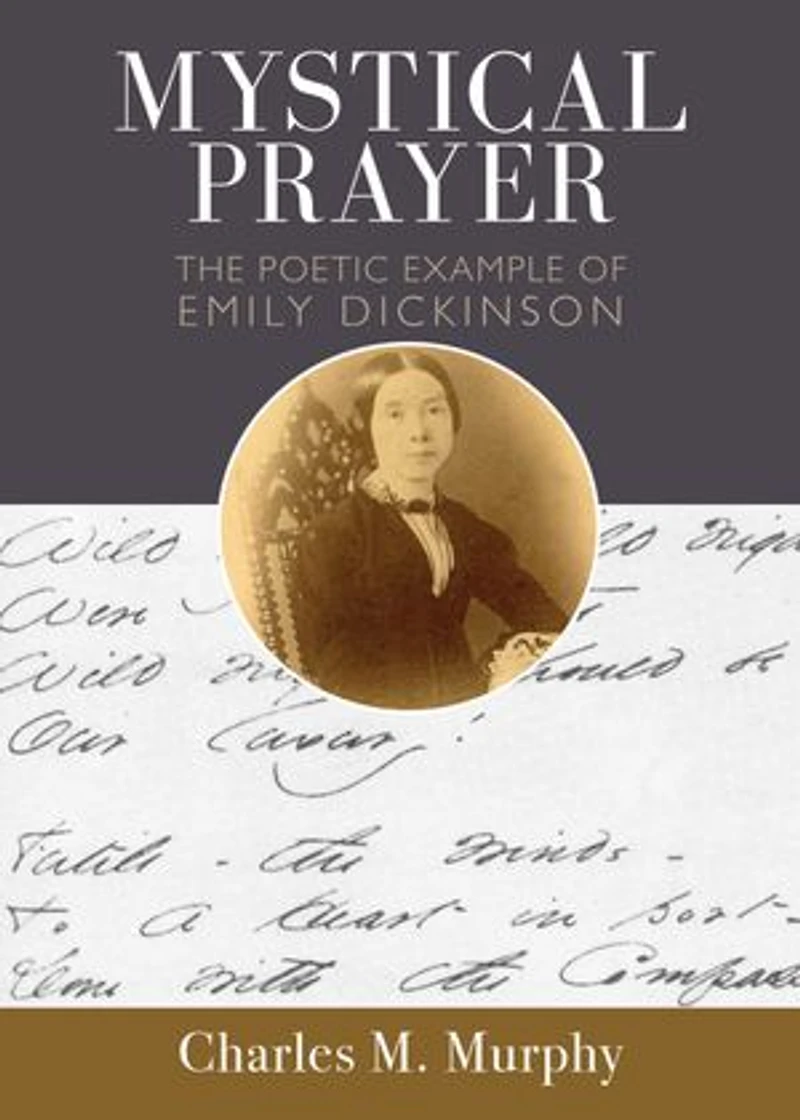
Mystical Prayer: The Poetic Example of Emily Dickinson
Current price: $15.19
Original price: $18.99

Mystical Prayer: The Poetic Example of Emily Dickinson
Current price: $15.19
Original price: $18.99
Loading Inventory...
Size: Kobo eBook
*Product information may vary - to confirm product availability, pricing, shipping and return information please contact Indigo
In this book, Charles Murphy explores the still unfolding rediscovery of Emily Dickinson (1830-1886), our foremost American poet, as a mystic of profound depth and ambition. She declined publication of almost all of her hundreds of poems during her lifetime, describing them as a record of her wrestling with God, who, in the Puritan religious tradition she received, she found cold and remote. Murphy places Dickinson's writings within the Christian mystical tradition exemplified by St. Teresa of Avila and identifies her poems as expressions of what he terms theologically as "believing unbelief." Dickinson's experiences of love and her confrontation with human mortality drove her poetic insights and led to her discovery of God in the beauty and mystery of the natural world.
In this book, Charles Murphy explores the still unfolding rediscovery of Emily Dickinson (1830-1886), our foremost American poet, as a mystic of profound depth and ambition. She declined publication of almost all of her hundreds of poems during her lifetime, describing them as a record of her wrestling with God, who, in the Puritan religious tradition she received, she found cold and remote. Murphy places Dickinson's writings within the Christian mystical tradition exemplified by St. Teresa of Avila and identifies her poems as expressions of what he terms theologically as "believing unbelief." Dickinson's experiences of love and her confrontation with human mortality drove her poetic insights and led to her discovery of God in the beauty and mystery of the natural world.
You May Also Like














More About Indigo at Erin Mills Town Centre
The largest book retailer in Canada also offers toys, music, home décor, gifts and lifestyle products. What's Inside...Books, Magazines, CD’s and DVD’s, Toys and Gifts, Home Accents, Electronics, Baby’s and Children’s Section, Bath and Body, Kitchen and Bedroom, Stationary Located outside in the exterior plaza.
5015 Glen Erin Dr, Mississauga, ON L5M 0R7, Canada
Find Indigo at Erin Mills Town Centre in Mississauga ON
Visit Indigo at Erin Mills Town Centre in Mississauga ON