

GIVE THE PERFECT GIFT
Erin Mills Town Centre Gift Cards are the perfect choice for your gift giving needs.Purchase gift cards at kiosks near the food court or centre court, at Guest Services, or click below to purchase online.PURCHASE HEREHome
Neuroscience and Education: A Philosophical Appraisal
Indigo
Loading Inventory...
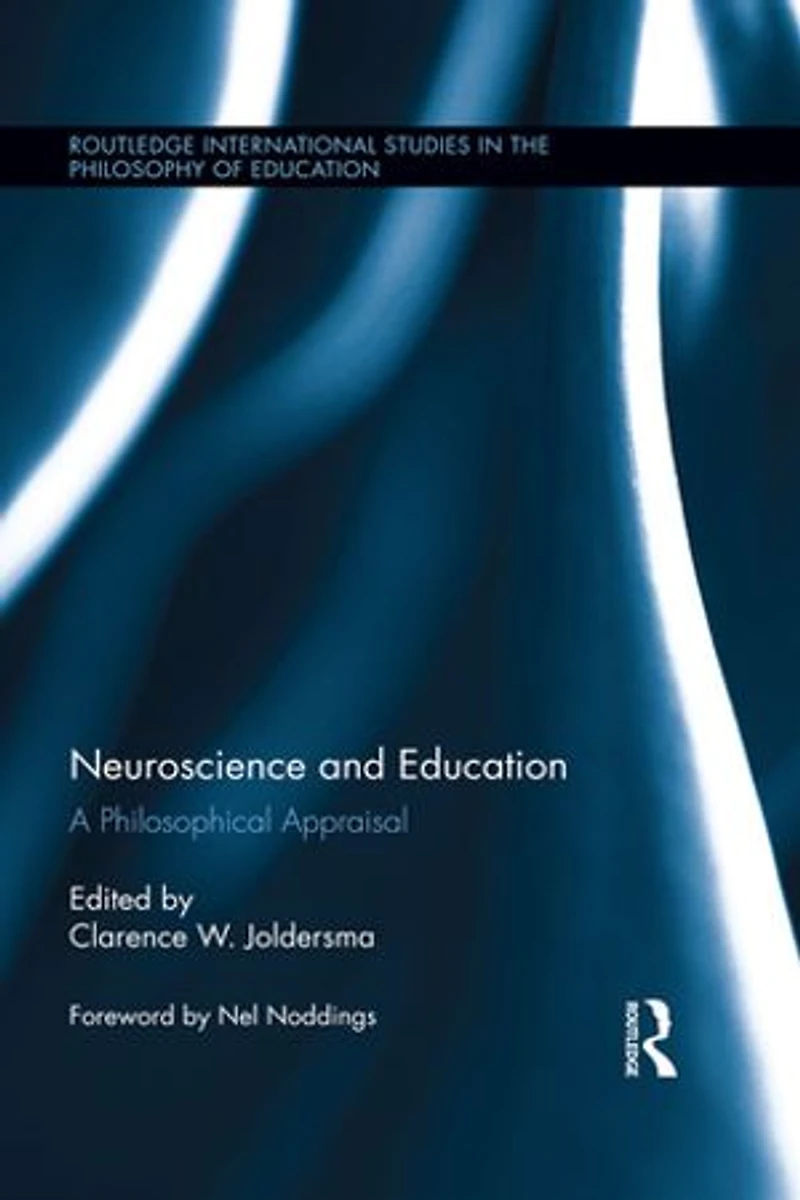
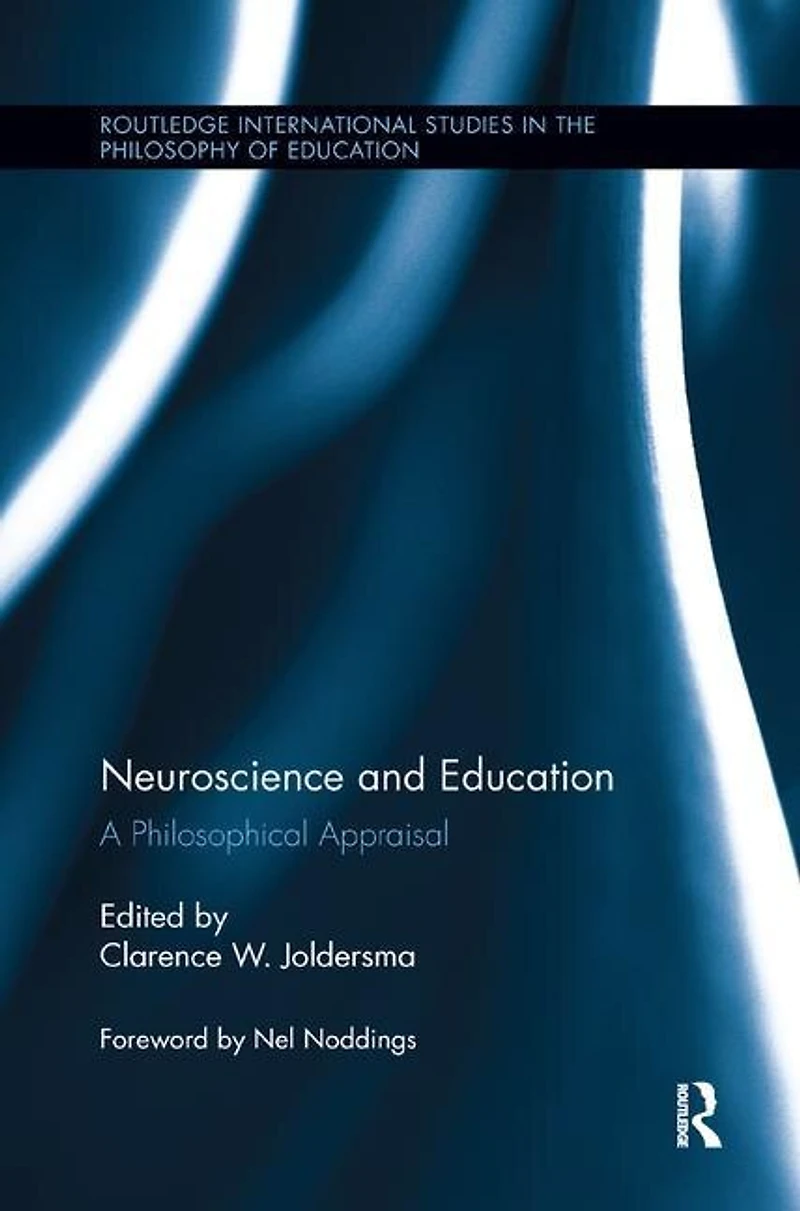
Neuroscience and Education: A Philosophical Appraisal
Current price: $347.95

Neuroscience and Education: A Philosophical Appraisal
Current price: $347.95
Loading Inventory...
Size: Hardcover
*Product information may vary - to confirm product availability, pricing, shipping and return information please contact Indigo
This volume makes a philosophical contribution to the application of neuroscience in education. It frames neuroscience research in novel ways around educational conceptualizing and practices, while also taking a critical look at conceptual problems in neuroeducation and at the economic reasons driving the mind-brain education movement. It offers alternative approaches for situating neuroscience in educational research and practice, including non-reductionist models drawing from Dewey and phenomenological philosophers such as Martin Heidegger and Merleau-Ponty. The volume gathers together an international bevy of leading philosophers of education who are in a unique position to contribute conceptually rich and theoretically framed insight on these new developments. The essays form an emerging dialogue to be used within philosophy of education as well as neuroeducation, educational psychology, teacher education and curriculum studies.
This volume makes a philosophical contribution to the application of neuroscience in education. It frames neuroscience research in novel ways around educational conceptualizing and practices, while also taking a critical look at conceptual problems in neuroeducation and at the economic reasons driving the mind-brain education movement. It offers alternative approaches for situating neuroscience in educational research and practice, including non-reductionist models drawing from Dewey and phenomenological philosophers such as Martin Heidegger and Merleau-Ponty. The volume gathers together an international bevy of leading philosophers of education who are in a unique position to contribute conceptually rich and theoretically framed insight on these new developments. The essays form an emerging dialogue to be used within philosophy of education as well as neuroeducation, educational psychology, teacher education and curriculum studies.
You May Also Like










More About Indigo at Erin Mills Town Centre
The largest book retailer in Canada also offers toys, music, home décor, gifts and lifestyle products. What's Inside...Books, Magazines, CD’s and DVD’s, Toys and Gifts, Home Accents, Electronics, Baby’s and Children’s Section, Bath and Body, Kitchen and Bedroom, Stationary Located outside in the exterior plaza.
5015 Glen Erin Dr, Mississauga, ON L5M 0R7, Canada
Find Indigo at Erin Mills Town Centre in Mississauga ON
Visit Indigo at Erin Mills Town Centre in Mississauga ON