

GIVE THE PERFECT GIFT
Erin Mills Town Centre Gift Cards are the perfect choice for your gift giving needs.Purchase gift cards at kiosks near the food court or centre court, at Guest Services, or click below to purchase online.PURCHASE HEREHome
Preserving Yellowstone’s Natural Conditions: Science and the Perception of Nature
Indigo
Loading Inventory...
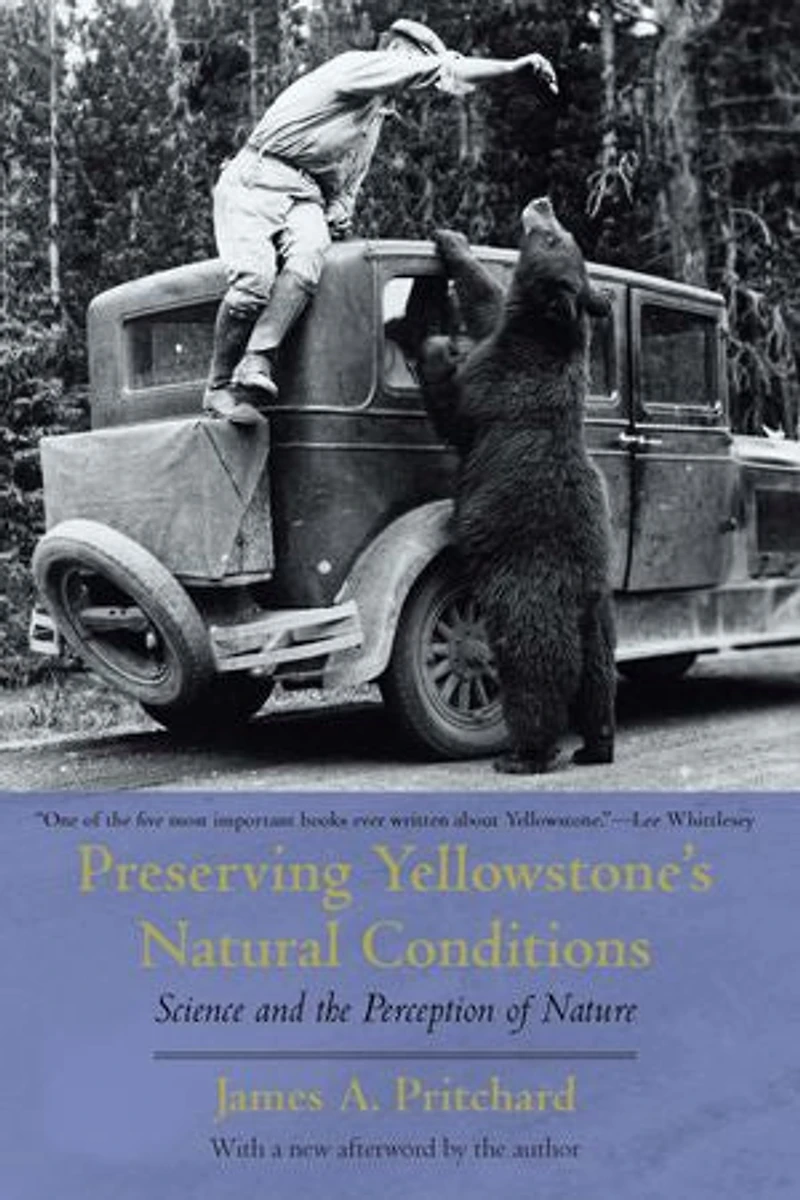
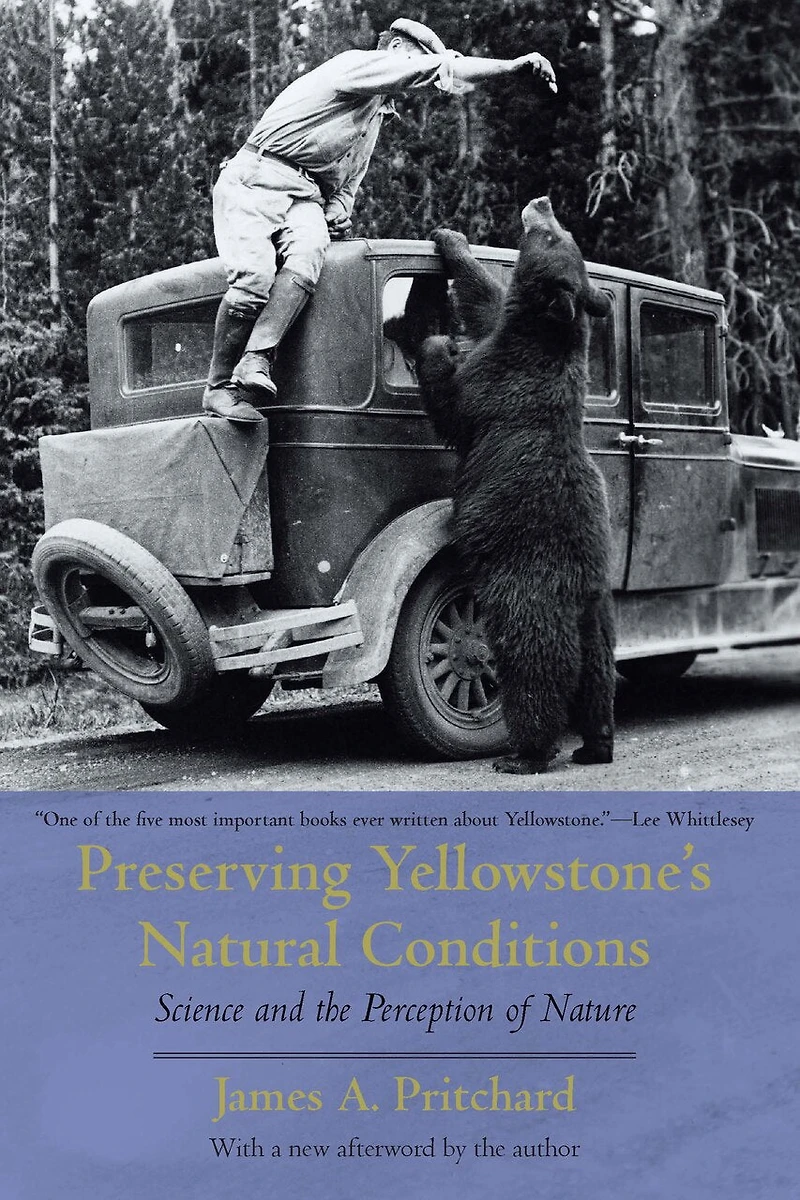
Preserving Yellowstone’s Natural Conditions: Science and the Perception of Nature
Current price: $29.29
Original price: $36.58

Preserving Yellowstone’s Natural Conditions: Science and the Perception of Nature
Current price: $29.29
Original price: $36.58
Loading Inventory...
Size: Kobo eBook
*Product information may vary - to confirm product availability, pricing, shipping and return information please contact Indigo
Preserving Yellowstone's Natural Conditions describes in fascinating detail the historical origins and development of wildlife management in Yellowstone National Park, alongside shifting understandings of nature in science and culture. James A. Pritchard traces the idea of "natural conditions" through time, from the introduction of this concept by early ecologists in the 1930s. He tells several overlooked stories of Yellowstone wildlife, including a sensational scientific hunt for bears with bow and arrow, and the episode of the predator pelicans, which facilitated a fundamental shift toward protection of all wildlife in Yellowstone, and for the National Park Service as a whole. A prolonged debate regarding the elk herd on Yellowstone's northern range is addressed, along with the origins of the notion of natural regulation, and the reasons for ending direct reductions of elk. This story emphasizes how ecological science came to Yellowstone and to the National Park Service, subsequently developing over a period of decades.
In the new afterword to this book Pritchard summarizes recent developments in wildlife science and management-such as the "ecology of fear" and trophic cascades-and discusses historical continuities in the role of the park as a wildlife refuge and the inestimable values of the park for wildlife conservation.
Preserving Yellowstone's Natural Conditions describes in fascinating detail the historical origins and development of wildlife management in Yellowstone National Park, alongside shifting understandings of nature in science and culture. James A. Pritchard traces the idea of "natural conditions" through time, from the introduction of this concept by early ecologists in the 1930s. He tells several overlooked stories of Yellowstone wildlife, including a sensational scientific hunt for bears with bow and arrow, and the episode of the predator pelicans, which facilitated a fundamental shift toward protection of all wildlife in Yellowstone, and for the National Park Service as a whole. A prolonged debate regarding the elk herd on Yellowstone's northern range is addressed, along with the origins of the notion of natural regulation, and the reasons for ending direct reductions of elk. This story emphasizes how ecological science came to Yellowstone and to the National Park Service, subsequently developing over a period of decades.
In the new afterword to this book Pritchard summarizes recent developments in wildlife science and management-such as the "ecology of fear" and trophic cascades-and discusses historical continuities in the role of the park as a wildlife refuge and the inestimable values of the park for wildlife conservation.
You May Also Like










More About Indigo at Erin Mills Town Centre
The largest book retailer in Canada also offers toys, music, home décor, gifts and lifestyle products. What's Inside...Books, Magazines, CD’s and DVD’s, Toys and Gifts, Home Accents, Electronics, Baby’s and Children’s Section, Bath and Body, Kitchen and Bedroom, Stationary Located outside in the exterior plaza.
5015 Glen Erin Dr, Mississauga, ON L5M 0R7, Canada
Find Indigo at Erin Mills Town Centre in Mississauga ON
Visit Indigo at Erin Mills Town Centre in Mississauga ON