

GIVE THE PERFECT GIFT
Erin Mills Town Centre Gift Cards are the perfect choice for your gift giving needs.Purchase gift cards at kiosks near the food court or centre court, at Guest Services, or click below to purchase online.PURCHASE HEREHome
Proceedings of the Boston Area Colloquium in Ancient Philosophy: Volume XXXI (2015)
Indigo
Loading Inventory...
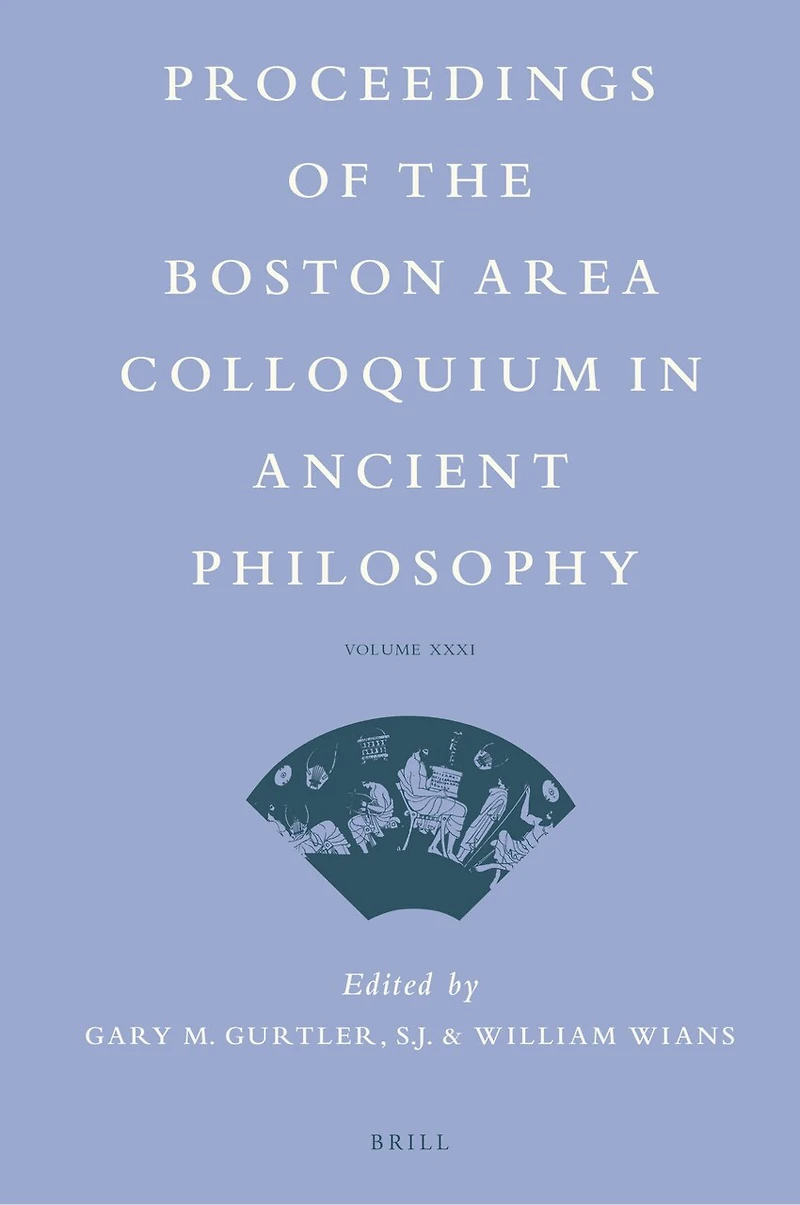
Proceedings of the Boston Area Colloquium in Ancient Philosophy: Volume XXXI (2015)
Current price: $196.99

Proceedings of the Boston Area Colloquium in Ancient Philosophy: Volume XXXI (2015)
Current price: $196.99
Loading Inventory...
Size: Paperback
*Product information may vary - to confirm product availability, pricing, shipping and return information please contact Indigo
This volume, the thirty-first year of published proceedings, contains five papers and commentaries presented to the Boston Area Colloquium in Ancient Philosophy during academic year 2014-15. Paper topics include: the volatility of ἔρως in the Symposium as not self-directed to good or bad; the ‘analytical’ reading of the tripartite soul as autonomous sub-agents and whether it resembles neuroscience; holiness in the Euthyphro as misconstrued by the difficulty translating finite passives and passive participles in English; evil in Proclus as an indefinite nature redefined by privation, subcontrary and parypostasis, contrary to Plotinus’ identification of matter and evil; Plato’s literary reworking of the encounter of Odysseus with the Cyclops in the Sophist and of his struggle with the suitors in the Statesman .
This volume, the thirty-first year of published proceedings, contains five papers and commentaries presented to the Boston Area Colloquium in Ancient Philosophy during academic year 2014-15. Paper topics include: the volatility of ἔρως in the Symposium as not self-directed to good or bad; the ‘analytical’ reading of the tripartite soul as autonomous sub-agents and whether it resembles neuroscience; holiness in the Euthyphro as misconstrued by the difficulty translating finite passives and passive participles in English; evil in Proclus as an indefinite nature redefined by privation, subcontrary and parypostasis, contrary to Plotinus’ identification of matter and evil; Plato’s literary reworking of the encounter of Odysseus with the Cyclops in the Sophist and of his struggle with the suitors in the Statesman .
You May Also Like







More About Indigo at Erin Mills Town Centre
The largest book retailer in Canada also offers toys, music, home décor, gifts and lifestyle products. What's Inside...Books, Magazines, CD’s and DVD’s, Toys and Gifts, Home Accents, Electronics, Baby’s and Children’s Section, Bath and Body, Kitchen and Bedroom, Stationary Located outside in the exterior plaza.
5015 Glen Erin Dr, Mississauga, ON L5M 0R7, Canada
Find Indigo at Erin Mills Town Centre in Mississauga ON
Visit Indigo at Erin Mills Town Centre in Mississauga ON