

GIVE THE PERFECT GIFT
Erin Mills Town Centre Gift Cards are the perfect choice for your gift giving needs.Purchase gift cards at kiosks near the food court or centre court, at Guest Services, or click below to purchase online.PURCHASE HEREHome
Revolution Paradise: Veiled Representations of Jewish Characters the Cinema Occupied France
Indigo
Loading Inventory...
Revolution Paradise: Veiled Representations of Jewish Characters the Cinema Occupied France
Current price: $216.95

Revolution Paradise: Veiled Representations of Jewish Characters the Cinema Occupied France
Current price: $216.95
Loading Inventory...
Size: Hardcover
*Product information may vary - to confirm product availability, pricing, shipping and return information please contact Indigo
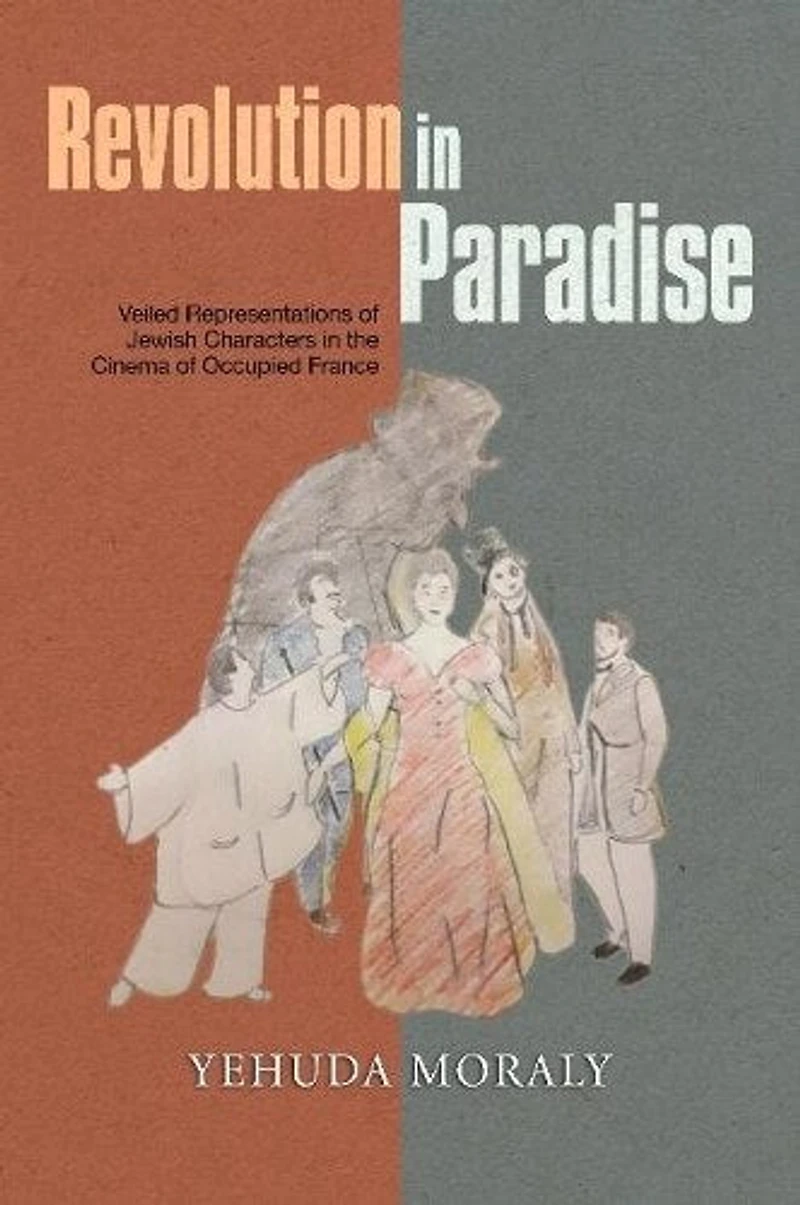
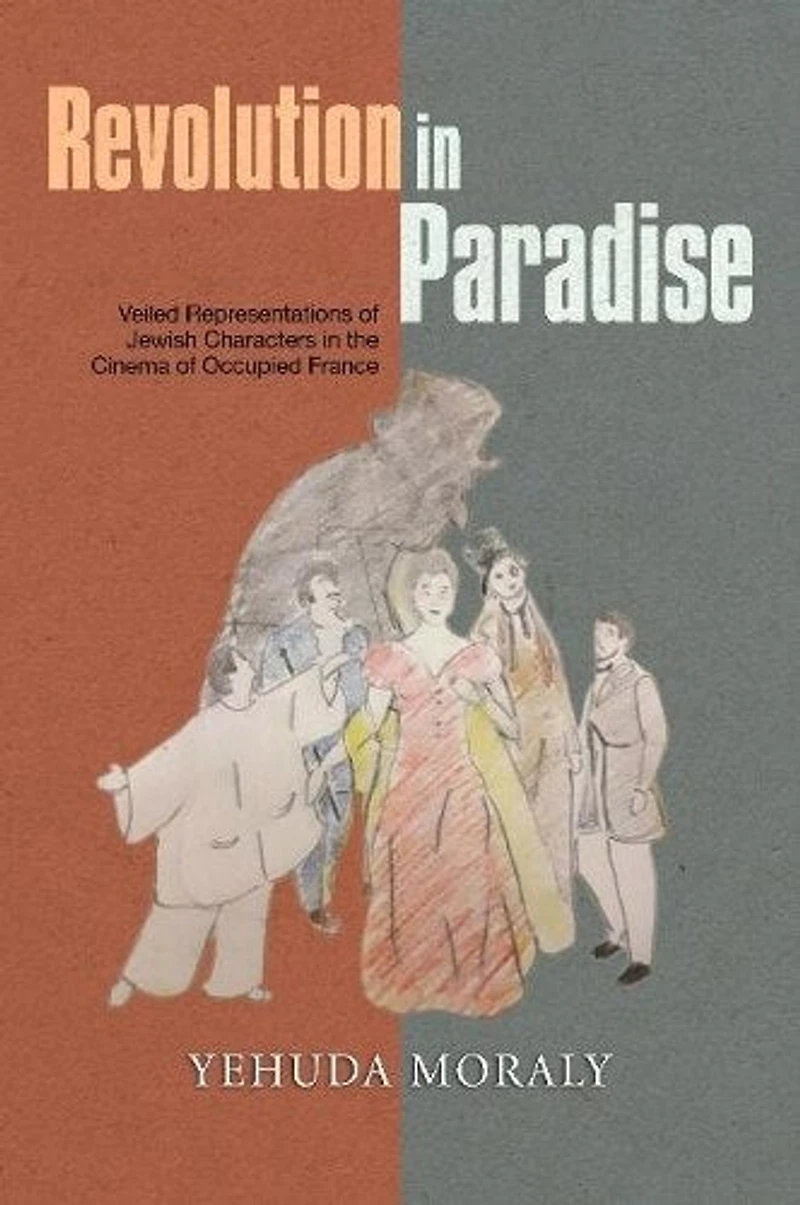
The era of the German Occupation of France constituted, surprisingly, a golden age for the arts: literature, theater, popular music and cinema. These works of art seem to be devoid of political impact. The widespread trend of unrealistic and fantastic art during this period is explained by some scholars as the artists escape from the omnipotent eye of German censorship. The purpose of the book is to show that, contrary to the accepted view, some of these films were intimately linked to the political situation. They convey the demonization of characters that, while not specifically presented as Jews nevertheless manifested anti-Semitic stereotypes of the Jew as ugly, rootless, low, hypocritical, immoral, cruel and power hungry. All five movies analysed (Les Inconnus dans la maison, dir. Henri Decoin, 1942; Les Visiteurs du Soir, dir. Marcel Carne, 1942; L'Eternel retour, dir. Jean Delannoy, 1943; Les Enfants du Paradis, dir. Marcel Carne, 1943) present characters not identified as Jews but who exhibit negative Jewish traits, in contrast to the aristocratic characters whom they aspire to emulate. They demonstrate, implicitly, central themes of explicit anti-Semitic propaganda. Yehuda Moraly addresses two current major misconceptions regarding the Cinema of Occupied France: (1) that the accepted view that there were almost no explicitly Jewish characters in the cinema of that time and place is patently incorrect; and (2) that the feature films of Occupied France were not as it is commonly thought free of the propaganda messages that permeated the press, the radio and documentary films. Analysis of these films brings out the contradictory nature of European anti-Semitism. On one hand, the Jew is the anti-Christ, throttling the world with disgusting materialism while on the other hand, he is representative of an ancestral stifling morality, which it is time to abolish.
The era of the German Occupation of France constituted, surprisingly, a golden age for the arts: literature, theater, popular music and cinema. These works of art seem to be devoid of political impact. The widespread trend of unrealistic and fantastic art during this period is explained by some scholars as the artists escape from the omnipotent eye of German censorship. The purpose of the book is to show that, contrary to the accepted view, some of these films were intimately linked to the political situation. They convey the demonization of characters that, while not specifically presented as Jews nevertheless manifested anti-Semitic stereotypes of the Jew as ugly, rootless, low, hypocritical, immoral, cruel and power hungry. All five movies analysed (Les Inconnus dans la maison, dir. Henri Decoin, 1942; Les Visiteurs du Soir, dir. Marcel Carne, 1942; L'Eternel retour, dir. Jean Delannoy, 1943; Les Enfants du Paradis, dir. Marcel Carne, 1943) present characters not identified as Jews but who exhibit negative Jewish traits, in contrast to the aristocratic characters whom they aspire to emulate. They demonstrate, implicitly, central themes of explicit anti-Semitic propaganda. Yehuda Moraly addresses two current major misconceptions regarding the Cinema of Occupied France: (1) that the accepted view that there were almost no explicitly Jewish characters in the cinema of that time and place is patently incorrect; and (2) that the feature films of Occupied France were not as it is commonly thought free of the propaganda messages that permeated the press, the radio and documentary films. Analysis of these films brings out the contradictory nature of European anti-Semitism. On one hand, the Jew is the anti-Christ, throttling the world with disgusting materialism while on the other hand, he is representative of an ancestral stifling morality, which it is time to abolish.
You May Also Like









More About Indigo at Erin Mills Town Centre
The largest book retailer in Canada also offers toys, music, home décor, gifts and lifestyle products. What's Inside...Books, Magazines, CD’s and DVD’s, Toys and Gifts, Home Accents, Electronics, Baby’s and Children’s Section, Bath and Body, Kitchen and Bedroom, Stationary Located outside in the exterior plaza.
5015 Glen Erin Dr, Mississauga, ON L5M 0R7, Canada
Find Indigo at Erin Mills Town Centre in Mississauga ON
Visit Indigo at Erin Mills Town Centre in Mississauga ON