

GIVE THE PERFECT GIFT
Erin Mills Town Centre Gift Cards are the perfect choice for your gift giving needs.Purchase gift cards at kiosks near the food court or centre court, at Guest Services, or click below to purchase online.PURCHASE HEREHome
Russia's Economy an Epoch of Turbulence: Crises and Lessons
Indigo
Loading Inventory...
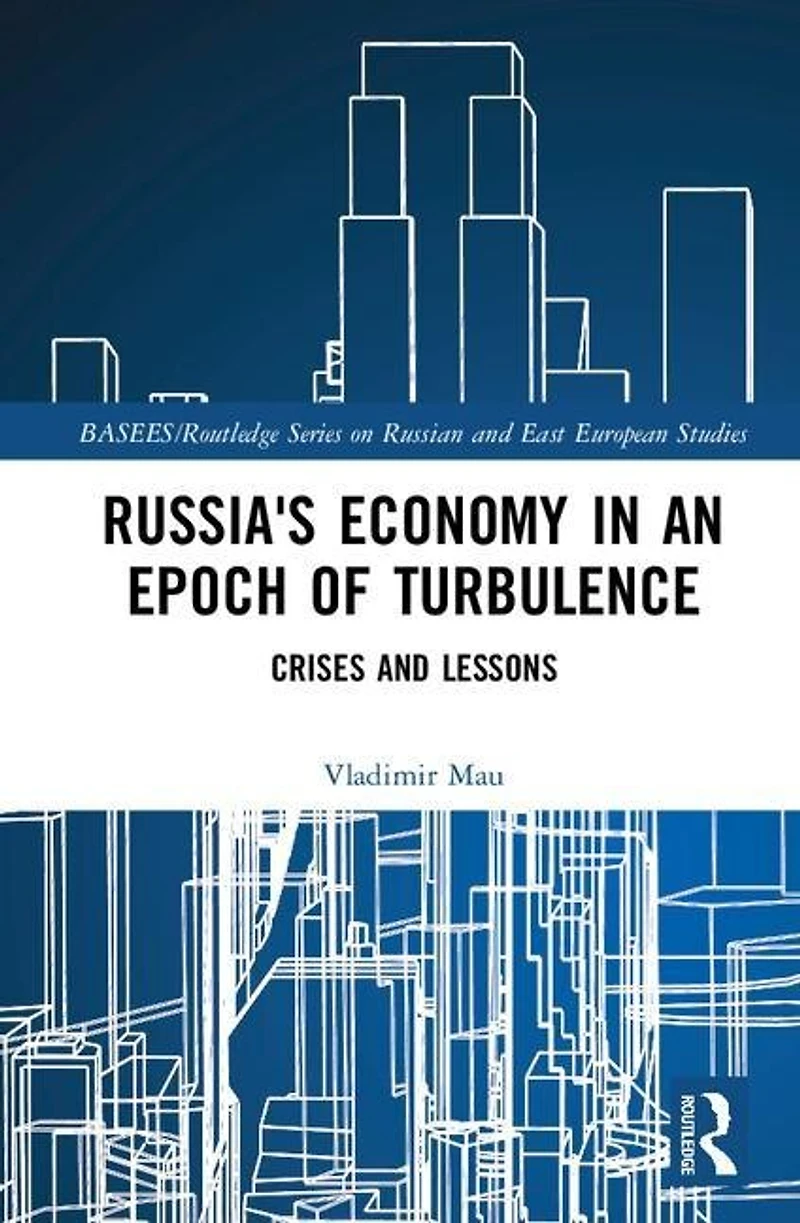
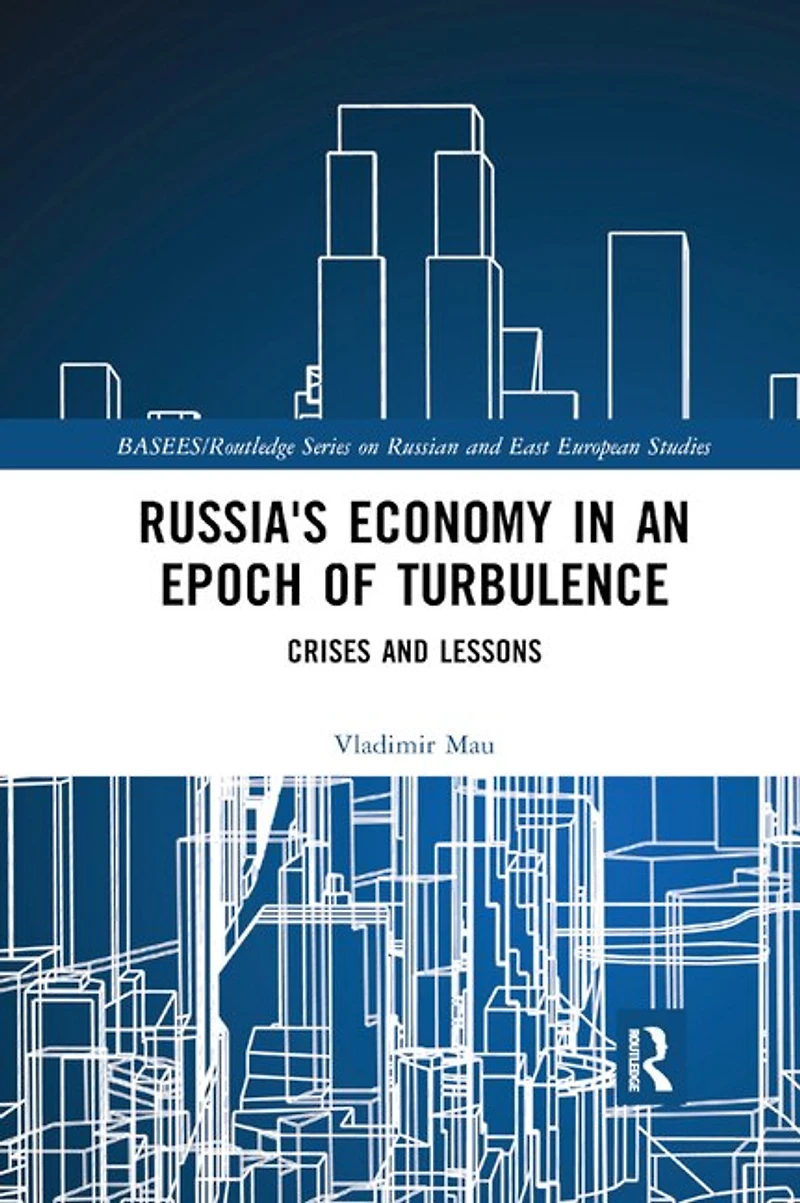
Russia's Economy an Epoch of Turbulence: Crises and Lessons
Current price: $347.95

Russia's Economy an Epoch of Turbulence: Crises and Lessons
Current price: $347.95
Loading Inventory...
Size: Hardcover
*Product information may vary - to confirm product availability, pricing, shipping and return information please contact Indigo
Over the course of the last thirty years post-communist Russia has either been struggling with crises, discussing the lessons learned from past crises, or attempting to trace the contours of future crises. Based on the author's own experiences and his research over this long period, this book traces the logic of the development of the crises and the anti-crisis policies, and shows the continuity, or discontinuity, in determining particular solutions. It demonstrates how perceptions of the priorities for economic policy, and the problems of economic growth and the formation of a new model and its alternatives were formed and how they changed. It also outlines the evolution of ideas about the role of social politics and human capital sectors in addressing anti-crisis and modernization issues, and discusses the changing views on the institutional and structural priorities for Russia's development. This is an important book on an economic subject of crucial global significance by a leading participant.
Over the course of the last thirty years post-communist Russia has either been struggling with crises, discussing the lessons learned from past crises, or attempting to trace the contours of future crises. Based on the author's own experiences and his research over this long period, this book traces the logic of the development of the crises and the anti-crisis policies, and shows the continuity, or discontinuity, in determining particular solutions. It demonstrates how perceptions of the priorities for economic policy, and the problems of economic growth and the formation of a new model and its alternatives were formed and how they changed. It also outlines the evolution of ideas about the role of social politics and human capital sectors in addressing anti-crisis and modernization issues, and discusses the changing views on the institutional and structural priorities for Russia's development. This is an important book on an economic subject of crucial global significance by a leading participant.
You May Also Like









More About Indigo at Erin Mills Town Centre
The largest book retailer in Canada also offers toys, music, home décor, gifts and lifestyle products. What's Inside...Books, Magazines, CD’s and DVD’s, Toys and Gifts, Home Accents, Electronics, Baby’s and Children’s Section, Bath and Body, Kitchen and Bedroom, Stationary Located outside in the exterior plaza.
5015 Glen Erin Dr, Mississauga, ON L5M 0R7, Canada
Find Indigo at Erin Mills Town Centre in Mississauga ON
Visit Indigo at Erin Mills Town Centre in Mississauga ON