

GIVE THE PERFECT GIFT
Erin Mills Town Centre Gift Cards are the perfect choice for your gift giving needs.Purchase gift cards at kiosks near the food court or centre court, at Guest Services, or click below to purchase online.PURCHASE HEREHome
The Orce Man: Controversy, Media and Politics in Human Origins Research
Indigo
Loading Inventory...
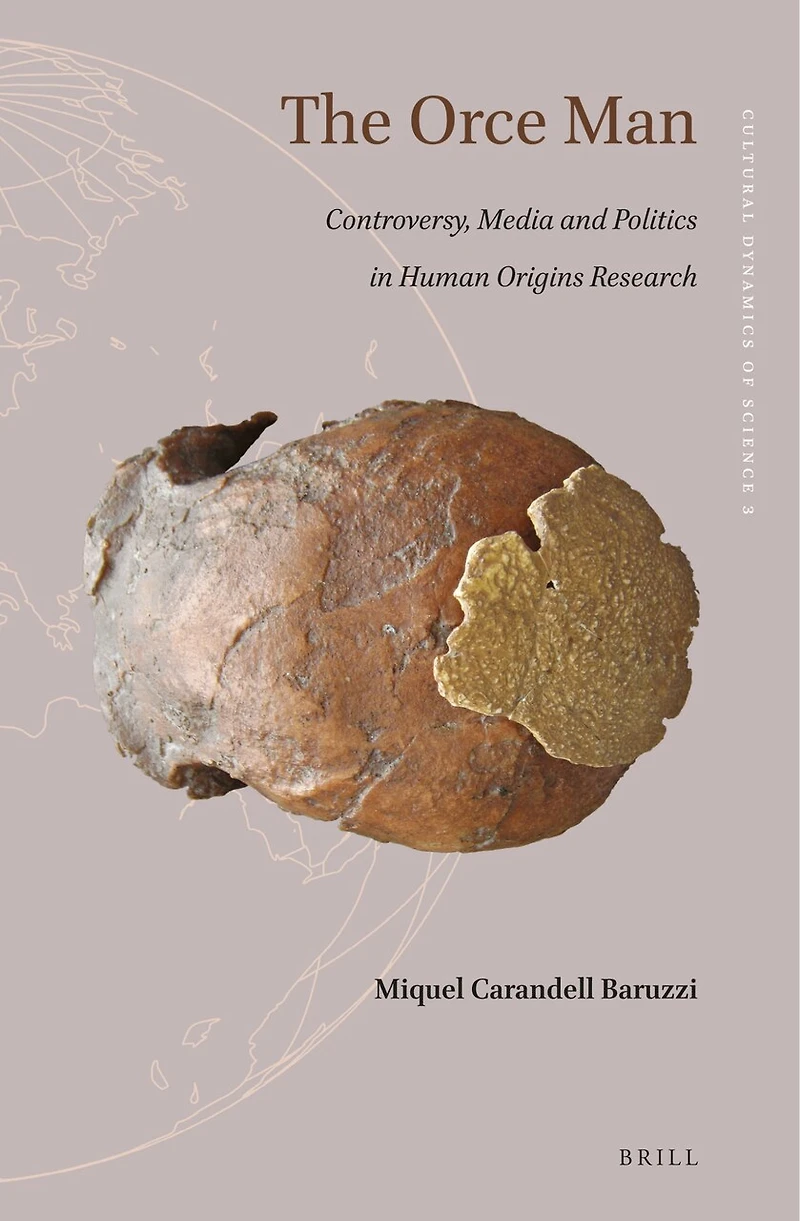
The Orce Man: Controversy, Media and Politics in Human Origins Research
Current price: $223.99

The Orce Man: Controversy, Media and Politics in Human Origins Research
Current price: $223.99
Loading Inventory...
Size: Hardcover
*Product information may vary - to confirm product availability, pricing, shipping and return information please contact Indigo
In The Orce Man: Controversy, Media and Politics in Human Origins Research , Miquel Carandell presents a thrilling story of a controversy on an Spanish “First European” that involved scientists, politicians and newspapers. In the early 1980s, with Spanish democracy in its beginnings, the Orce bone was transformed from a famous human ancestor to an apparently ridiculous donkey remain. With a chronological narrative, this book is not centered on whether the bone was human or not, but on the circumstances that made a certain claim credible or not, from both the scientific community and the general public. Carandell’s analysis draws on the thin line that separates success from failure and the role of media and politics in the controversy.
In The Orce Man: Controversy, Media and Politics in Human Origins Research , Miquel Carandell presents a thrilling story of a controversy on an Spanish “First European” that involved scientists, politicians and newspapers. In the early 1980s, with Spanish democracy in its beginnings, the Orce bone was transformed from a famous human ancestor to an apparently ridiculous donkey remain. With a chronological narrative, this book is not centered on whether the bone was human or not, but on the circumstances that made a certain claim credible or not, from both the scientific community and the general public. Carandell’s analysis draws on the thin line that separates success from failure and the role of media and politics in the controversy.
You May Also Like







More About Indigo at Erin Mills Town Centre
The largest book retailer in Canada also offers toys, music, home décor, gifts and lifestyle products. What's Inside...Books, Magazines, CD’s and DVD’s, Toys and Gifts, Home Accents, Electronics, Baby’s and Children’s Section, Bath and Body, Kitchen and Bedroom, Stationary Located outside in the exterior plaza.
5015 Glen Erin Dr, Mississauga, ON L5M 0R7, Canada
Find Indigo at Erin Mills Town Centre in Mississauga ON
Visit Indigo at Erin Mills Town Centre in Mississauga ON