

GIVE THE PERFECT GIFT
Erin Mills Town Centre Gift Cards are the perfect choice for your gift giving needs.Purchase gift cards at kiosks near the food court or centre court, at Guest Services, or click below to purchase online.PURCHASE HEREHome
The Revolution Wasn't Televised: Sixties Television and Social Conflict
Indigo
Loading Inventory...
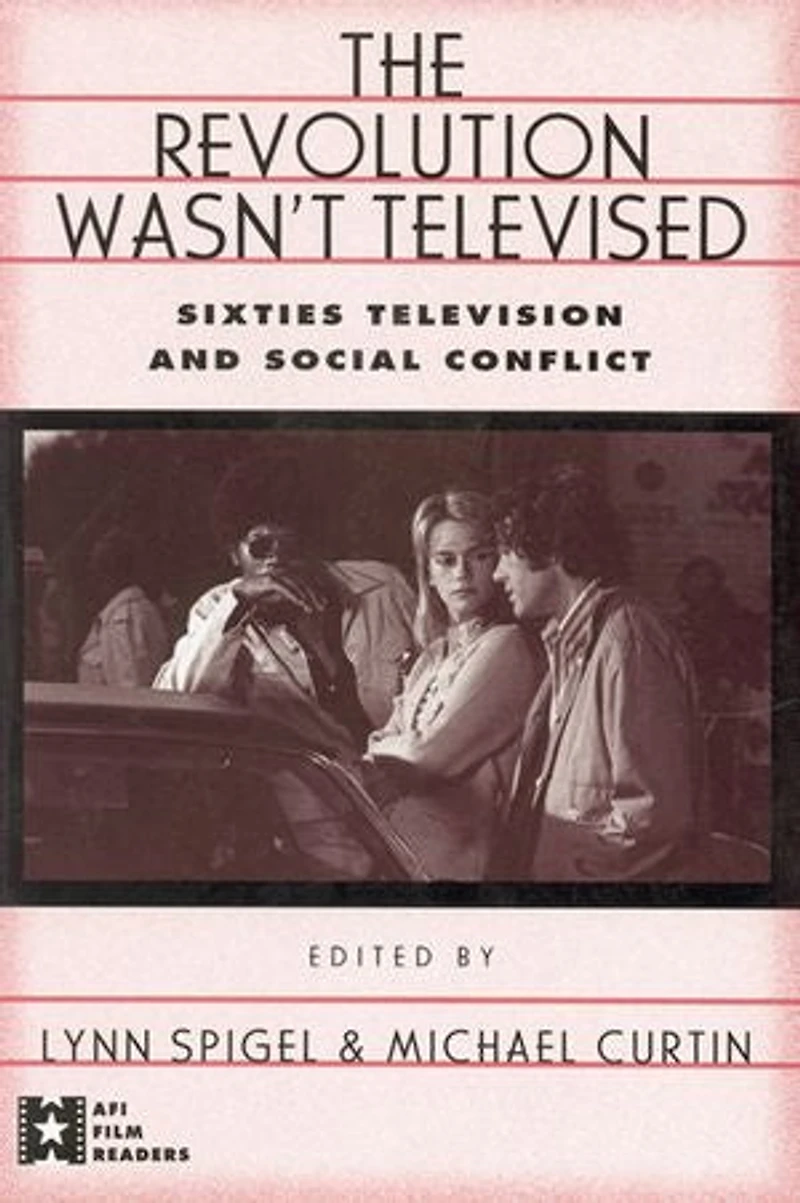
The Revolution Wasn't Televised: Sixties Television and Social Conflict
Current price: $74.63

The Revolution Wasn't Televised: Sixties Television and Social Conflict
Current price: $74.63
Loading Inventory...
Size: Kobo eBook
*Product information may vary - to confirm product availability, pricing, shipping and return information please contact Indigo
Caricatures of sixties television--called a "vast wasteland" by the FCC president in the early sixties--continue to dominate our perceptions of the era and cloud popular understanding of the relationship between pop culture and larger social forces. Opposed to these conceptions, The Revolution Wasn't Televised explores the ways in which prime-time television was centrally involved in the social conflicts of the 1960s. It was then that television became a ubiquitous element in American homes. The contributors in this volume argue that due to TV's constant presence in everyday life, it became the object of intense debates over childraising, education, racism, gender, technology, politics, violence, and Vietnam. These essays explore the minutia of TV in relation to the macro-structure of sixties politics and society, attempting to understand the struggles that took place over representation the nation's most popular communications media during the 1960s.
Caricatures of sixties television--called a "vast wasteland" by the FCC president in the early sixties--continue to dominate our perceptions of the era and cloud popular understanding of the relationship between pop culture and larger social forces. Opposed to these conceptions, The Revolution Wasn't Televised explores the ways in which prime-time television was centrally involved in the social conflicts of the 1960s. It was then that television became a ubiquitous element in American homes. The contributors in this volume argue that due to TV's constant presence in everyday life, it became the object of intense debates over childraising, education, racism, gender, technology, politics, violence, and Vietnam. These essays explore the minutia of TV in relation to the macro-structure of sixties politics and society, attempting to understand the struggles that took place over representation the nation's most popular communications media during the 1960s.
You May Also Like










More About Indigo at Erin Mills Town Centre
The largest book retailer in Canada also offers toys, music, home décor, gifts and lifestyle products. What's Inside...Books, Magazines, CD’s and DVD’s, Toys and Gifts, Home Accents, Electronics, Baby’s and Children’s Section, Bath and Body, Kitchen and Bedroom, Stationary Located outside in the exterior plaza.
5015 Glen Erin Dr, Mississauga, ON L5M 0R7, Canada
Find Indigo at Erin Mills Town Centre in Mississauga ON
Visit Indigo at Erin Mills Town Centre in Mississauga ON