

GIVE THE PERFECT GIFT
Erin Mills Town Centre Gift Cards are the perfect choice for your gift giving needs.Purchase gift cards at kiosks near the food court or centre court, at Guest Services, or click below to purchase online.PURCHASE HEREHome
the Spirit of '68: Youth Culture, New Left, and Reimagining Acadia
Indigo
Loading Inventory...
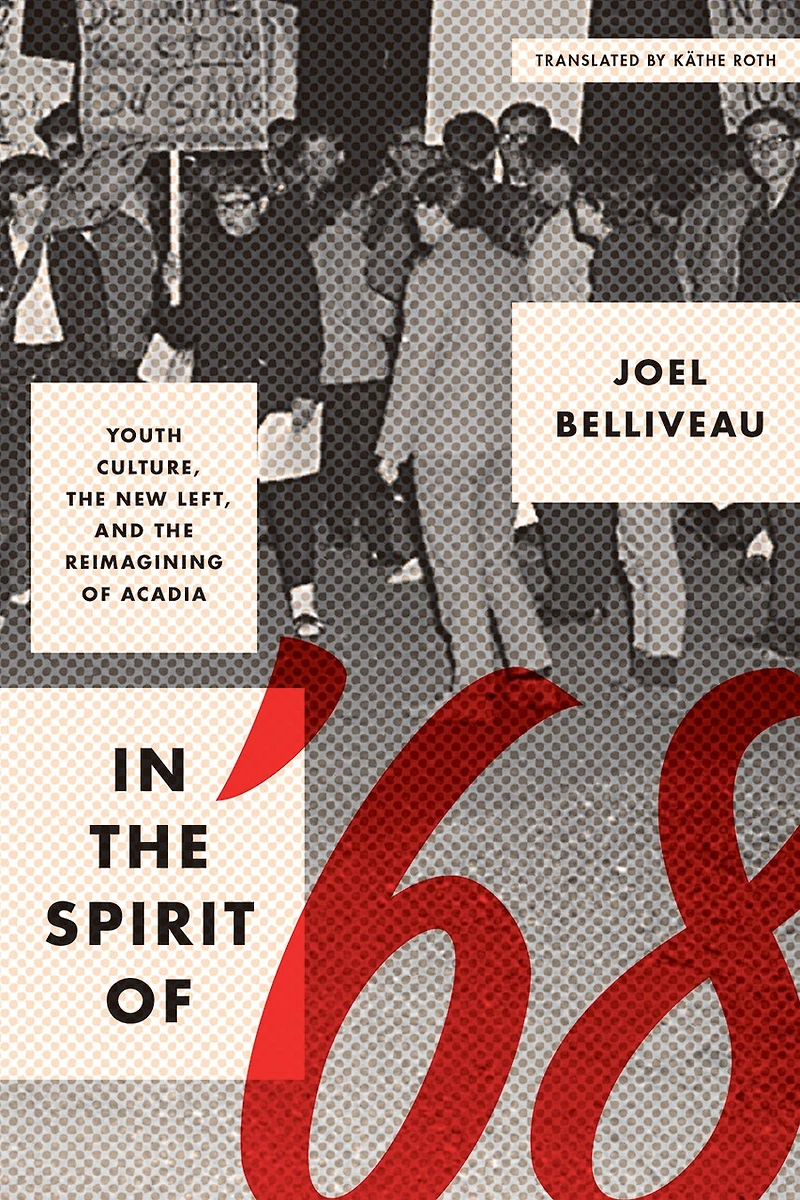
the Spirit of '68: Youth Culture, New Left, and Reimagining Acadia
Current price: $89.95

the Spirit of '68: Youth Culture, New Left, and Reimagining Acadia
Current price: $89.95
Loading Inventory...
Size: Hardcover
*Product information may vary - to confirm product availability, pricing, shipping and return information please contact Indigo
The 1960s were a victorious decade for francophones in New Brunswick, who witnessed the election of the first Acadian premier and the opening of a French-language university. But in 1968, students took to the streets of Moncton, demanding further concessions.
What provoked these students to spark a cultural revolution on par with those overtaking English Canada and Quebec? Were they simply heirs to a long line of nationalists seeking more rights for francophones, as older histories suggest, or were they leftists whose demands echoed the ideas of student movements in Quebec, English Canada, the United States, and France?
Belliveau argues that the student movement emerged in the late 1950s as an expression of the province’s changing youth culture but then evolved as students drew inspiration from the ideas of the New Left, shifting allegiance from liberalism to radical communitarianism and ultimately fuelling the fires of a new brand of Acadian nationalism in the 1970s.
The 1960s were a victorious decade for francophones in New Brunswick, who witnessed the election of the first Acadian premier and the opening of a French-language university. But in 1968, students took to the streets of Moncton, demanding further concessions.
What provoked these students to spark a cultural revolution on par with those overtaking English Canada and Quebec? Were they simply heirs to a long line of nationalists seeking more rights for francophones, as older histories suggest, or were they leftists whose demands echoed the ideas of student movements in Quebec, English Canada, the United States, and France?
Belliveau argues that the student movement emerged in the late 1950s as an expression of the province’s changing youth culture but then evolved as students drew inspiration from the ideas of the New Left, shifting allegiance from liberalism to radical communitarianism and ultimately fuelling the fires of a new brand of Acadian nationalism in the 1970s.
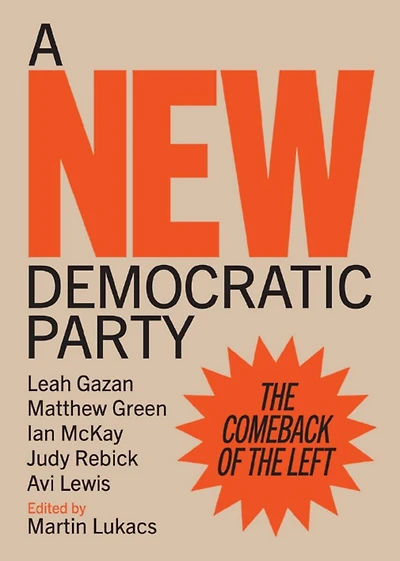
You May Also Like














More About Indigo at Erin Mills Town Centre
The largest book retailer in Canada also offers toys, music, home décor, gifts and lifestyle products. What's Inside...Books, Magazines, CD’s and DVD’s, Toys and Gifts, Home Accents, Electronics, Baby’s and Children’s Section, Bath and Body, Kitchen and Bedroom, Stationary Located outside in the exterior plaza.
5015 Glen Erin Dr, Mississauga, ON L5M 0R7, Canada
Find Indigo at Erin Mills Town Centre in Mississauga ON
Visit Indigo at Erin Mills Town Centre in Mississauga ON