

GIVE THE PERFECT GIFT
Erin Mills Town Centre Gift Cards are the perfect choice for your gift giving needs.Purchase gift cards at kiosks near the food court or centre court, at Guest Services, or click below to purchase online.PURCHASE HEREHome
The Verbal Games of Pre-school Children
Indigo
Loading Inventory...
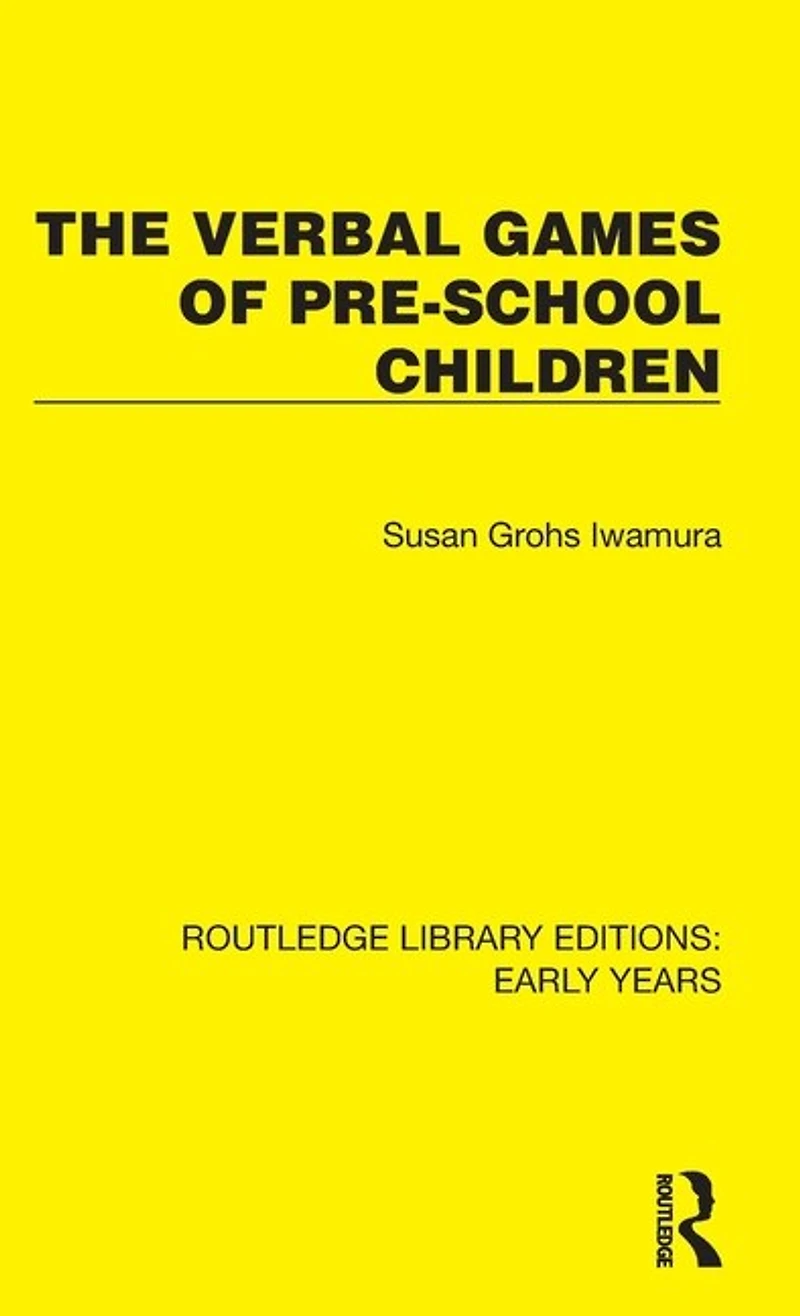

The Verbal Games of Pre-school Children
Current price: $199.95

The Verbal Games of Pre-school Children
Current price: $199.95
Loading Inventory...
Size: Hardcover
*Product information may vary - to confirm product availability, pricing, shipping and return information please contact Indigo
Originally published in 1980 The Verbal Games of Pre-school Children states that in the course of acquiring language, every child recognizes that verbal interaction is a powerful tool which can be used to interpret and manipulate the world. During the last previous two decades developments in the study of both language acquisition and linguistic theory had begun to illustrate that the acquisition of a first language involves considerably more than the mere learning of grammatical structure. This view of learning had led researchers gradually to see children as more than grammarians devising grammatical constructs. The tendency at the time was to see the child as an active partner in what are essentially games of communication and invention during which the rules of usage as well as the rules of grammar are discovered. This study is based on extensive and detailed observation of the verbal interaction of two pre-school children, and as such offers far-reaching ideas and conclusions concerning the manner in which all children determine the role of language in their lives, whilst simultaneously learning how to piece it together.
Originally published in 1980 The Verbal Games of Pre-school Children states that in the course of acquiring language, every child recognizes that verbal interaction is a powerful tool which can be used to interpret and manipulate the world. During the last previous two decades developments in the study of both language acquisition and linguistic theory had begun to illustrate that the acquisition of a first language involves considerably more than the mere learning of grammatical structure. This view of learning had led researchers gradually to see children as more than grammarians devising grammatical constructs. The tendency at the time was to see the child as an active partner in what are essentially games of communication and invention during which the rules of usage as well as the rules of grammar are discovered. This study is based on extensive and detailed observation of the verbal interaction of two pre-school children, and as such offers far-reaching ideas and conclusions concerning the manner in which all children determine the role of language in their lives, whilst simultaneously learning how to piece it together.
You May Also Like











More About Indigo at Erin Mills Town Centre
The largest book retailer in Canada also offers toys, music, home décor, gifts and lifestyle products. What's Inside...Books, Magazines, CD’s and DVD’s, Toys and Gifts, Home Accents, Electronics, Baby’s and Children’s Section, Bath and Body, Kitchen and Bedroom, Stationary Located outside in the exterior plaza.
5015 Glen Erin Dr, Mississauga, ON L5M 0R7, Canada
Find Indigo at Erin Mills Town Centre in Mississauga ON
Visit Indigo at Erin Mills Town Centre in Mississauga ON