

GIVE THE PERFECT GIFT
Erin Mills Town Centre Gift Cards are the perfect choice for your gift giving needs.Purchase gift cards at kiosks near the food court or centre court, at Guest Services, or click below to purchase online.PURCHASE HEREHome
Unburied Lives: The Historical Archaeology of Buffalo Soldiers at Fort Davis, Texas, 1869-1875
Indigo
Loading Inventory...
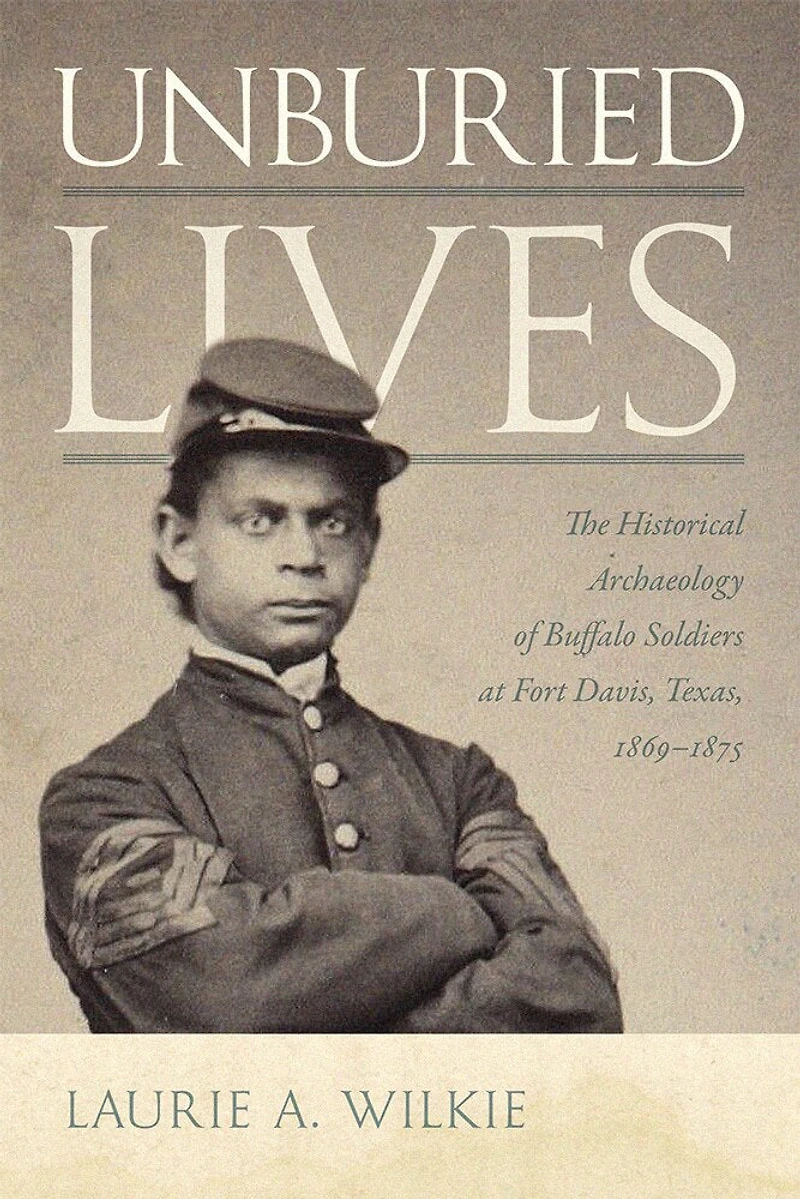
Unburied Lives: The Historical Archaeology of Buffalo Soldiers at Fort Davis, Texas, 1869-1875
Current price: $86.99

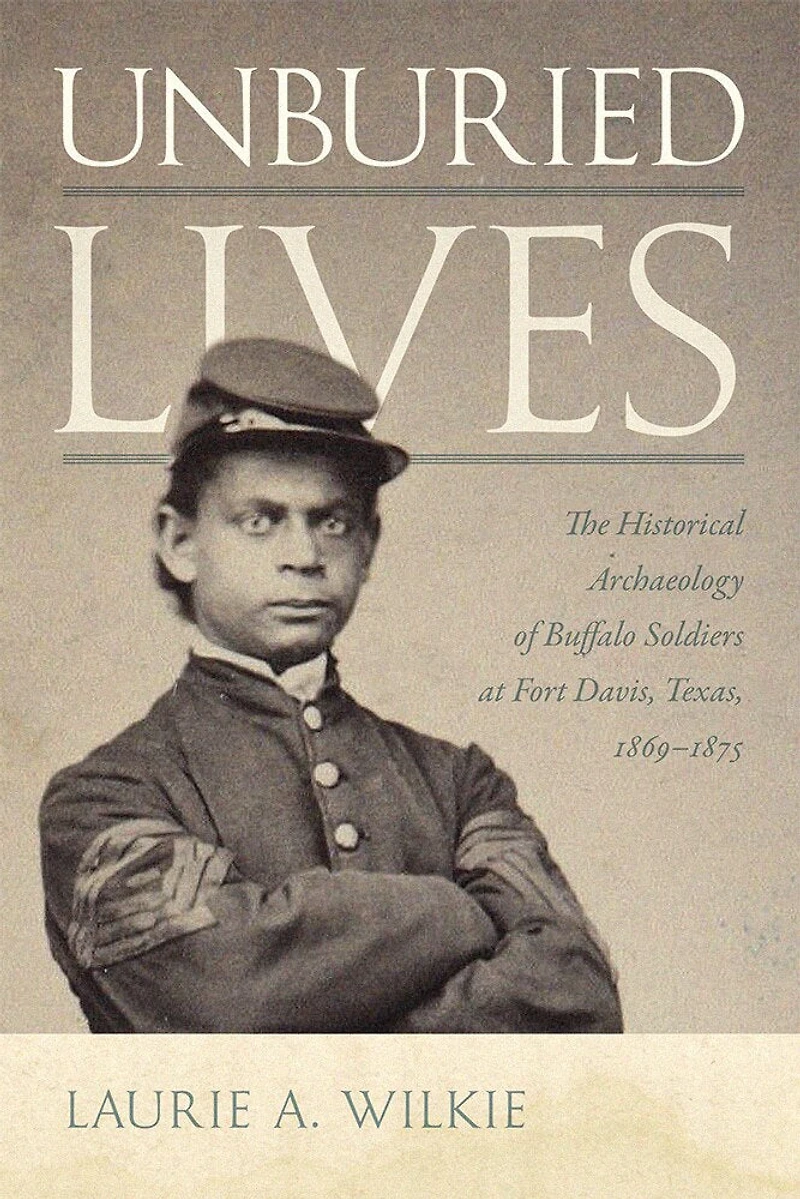
Unburied Lives: The Historical Archaeology of Buffalo Soldiers at Fort Davis, Texas, 1869-1875
Current price: $86.99
Loading Inventory...
Size: Hardcover
*Product information may vary - to confirm product availability, pricing, shipping and return information please contact Indigo
According to the accounts of two white officers, on the evening of November 20, 1872, Corporal Daniel Talliafero, of the segregated Black 9th cavalry, was shot to death by an officer's wife while attempting to break into her sleeping apartment at the military post of Fort Davis, Texas. Historians writing about Black soldiers serving in the West have long accepted the account without question, retelling the story of Daniel Talliafero, the thwarted "rapist."
In Unburied Lives Wilkie takes a different approach, demonstrating how we can "listen" to stories found in things neglected, ignored, or disparaged--documents not consulted, architecture not studied, material traces preserved in the dirt. With a focus on Fort Davis, Wilkie brings attention to the Black enlisted men and non-commissioned officers. In her archaeological accounting, Wilkie explores the complexities of post life, racialized relationships, Black masculinity, and citizenship while also exposing the structures and practices of military life that successfully obscured these men's stories for so long.
According to the accounts of two white officers, on the evening of November 20, 1872, Corporal Daniel Talliafero, of the segregated Black 9th cavalry, was shot to death by an officer's wife while attempting to break into her sleeping apartment at the military post of Fort Davis, Texas. Historians writing about Black soldiers serving in the West have long accepted the account without question, retelling the story of Daniel Talliafero, the thwarted "rapist."
In Unburied Lives Wilkie takes a different approach, demonstrating how we can "listen" to stories found in things neglected, ignored, or disparaged--documents not consulted, architecture not studied, material traces preserved in the dirt. With a focus on Fort Davis, Wilkie brings attention to the Black enlisted men and non-commissioned officers. In her archaeological accounting, Wilkie explores the complexities of post life, racialized relationships, Black masculinity, and citizenship while also exposing the structures and practices of military life that successfully obscured these men's stories for so long.
You May Also Like









More About Indigo at Erin Mills Town Centre
The largest book retailer in Canada also offers toys, music, home décor, gifts and lifestyle products. What's Inside...Books, Magazines, CD’s and DVD’s, Toys and Gifts, Home Accents, Electronics, Baby’s and Children’s Section, Bath and Body, Kitchen and Bedroom, Stationary Located outside in the exterior plaza.
5015 Glen Erin Dr, Mississauga, ON L5M 0R7, Canada
Find Indigo at Erin Mills Town Centre in Mississauga ON
Visit Indigo at Erin Mills Town Centre in Mississauga ON