

GIVE THE PERFECT GIFT
Erin Mills Town Centre Gift Cards are the perfect choice for your gift giving needs.Purchase gift cards at kiosks near the food court or centre court, at Guest Services, or click below to purchase online.PURCHASE HEREHome
1 Timothy, Volume 2: A Charge to God's Missional Household
Indigo
Loading Inventory...
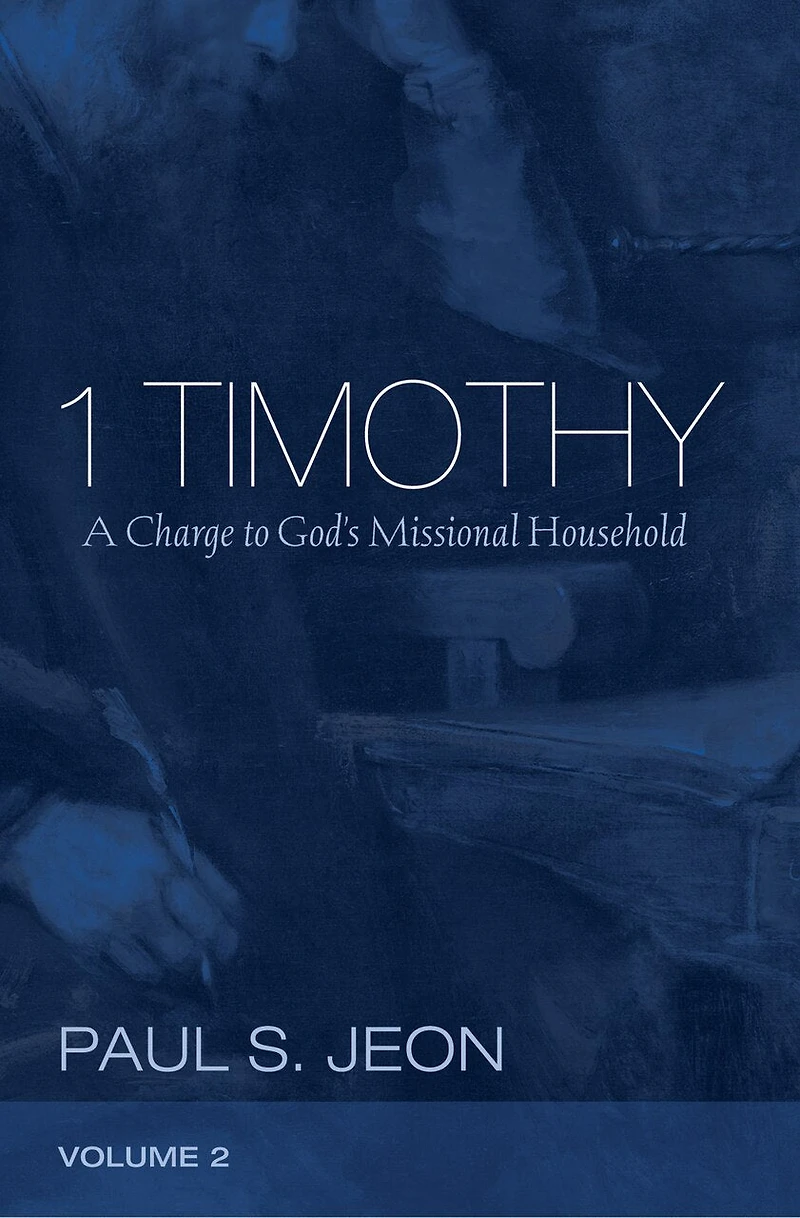
1 Timothy, Volume 2: A Charge to God's Missional Household
Current price: $65.33

1 Timothy, Volume 2: A Charge to God's Missional Household
Current price: $65.33
Loading Inventory...
Size: Hardcover
*Product information may vary - to confirm product availability, pricing, shipping and return information please contact Indigo
1 Timothy is one of the more controversial documents in the New Testament. For years, critical scholars have rejected Pauline authorship, highlighted the apparent misogynistic quality of the text, and argued against any coherence in the letter. Jeon takes a fresh look at the letter, incorporating many recent advancements in NT scholarship. In detail he demonstrates the macro- and micro- chiastic arrangement of the entire letter and explains how the presumed first-century audience would have heard and responded to an oral performance of the letter. In doing so, Jeon offers a fresh challenge to more popular ways of (mis)understanding the letter and points a way forward for appropriating the letter both in academia and in the church.
1 Timothy is one of the more controversial documents in the New Testament. For years, critical scholars have rejected Pauline authorship, highlighted the apparent misogynistic quality of the text, and argued against any coherence in the letter. Jeon takes a fresh look at the letter, incorporating many recent advancements in NT scholarship. In detail he demonstrates the macro- and micro- chiastic arrangement of the entire letter and explains how the presumed first-century audience would have heard and responded to an oral performance of the letter. In doing so, Jeon offers a fresh challenge to more popular ways of (mis)understanding the letter and points a way forward for appropriating the letter both in academia and in the church.
You May Also Like










More About Indigo at Erin Mills Town Centre
The largest book retailer in Canada also offers toys, music, home décor, gifts and lifestyle products. What's Inside...Books, Magazines, CD’s and DVD’s, Toys and Gifts, Home Accents, Electronics, Baby’s and Children’s Section, Bath and Body, Kitchen and Bedroom, Stationary Located outside in the exterior plaza.
5015 Glen Erin Dr, Mississauga, ON L5M 0R7, Canada
Find Indigo at Erin Mills Town Centre in Mississauga ON
Visit Indigo at Erin Mills Town Centre in Mississauga ON