

GIVE THE PERFECT GIFT
Erin Mills Town Centre Gift Cards are the perfect choice for your gift giving needs.Purchase gift cards at kiosks near the food court or centre court, at Guest Services, or click below to purchase online.PURCHASE HEREHome
1001 Masks of Turkish Ittihadism in a Century: From Armenian Genocide to Neo-Ittihadism
Indigo
Loading Inventory...
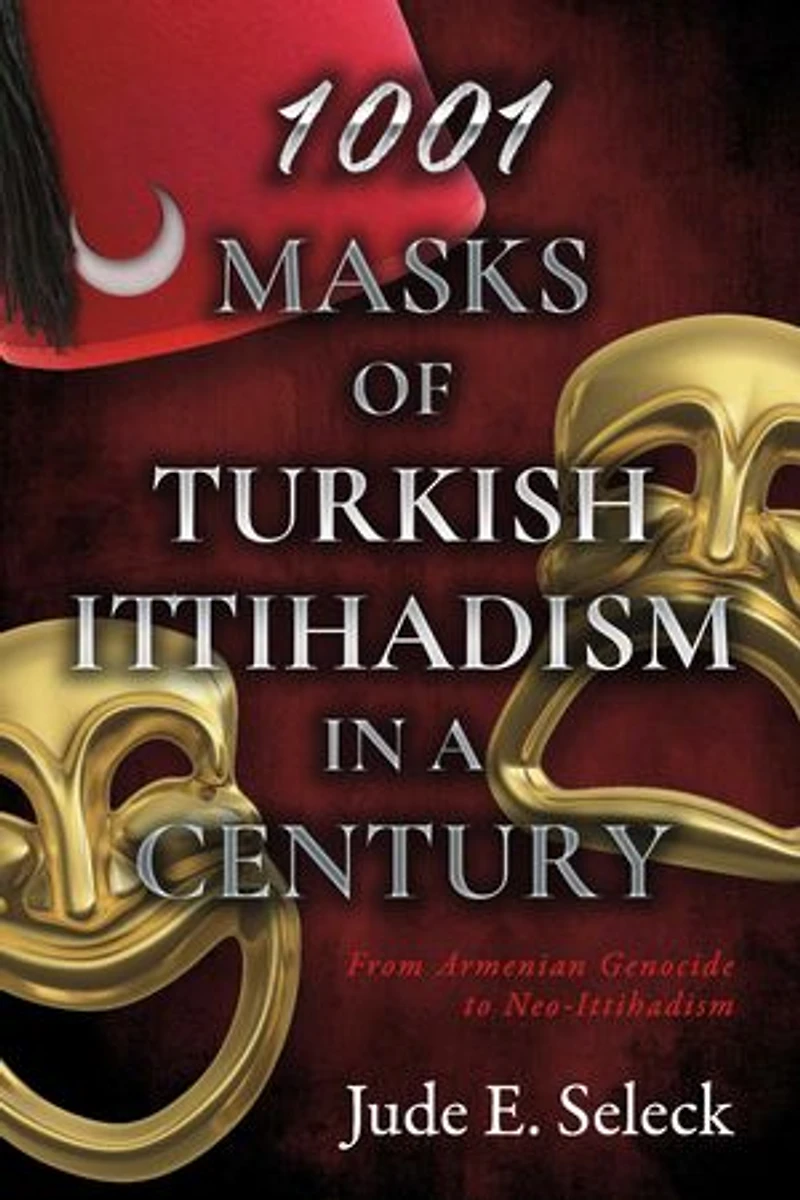
1001 Masks of Turkish Ittihadism in a Century: From Armenian Genocide to Neo-Ittihadism
Current price: $14.03

1001 Masks of Turkish Ittihadism in a Century: From Armenian Genocide to Neo-Ittihadism
Current price: $14.03
Loading Inventory...
Size: Kobo eBook
*Product information may vary - to confirm product availability, pricing, shipping and return information please contact Indigo
In the early 1900s, the Committee of Union and Progress (CUP) committed the Armenian Genocide as part of their pursuit of Pan-Turkist and Pan-Islamist aspirations known as "ittihadism." The CUP also sought to Turkify non-Muslim property, reminiscent of the Aryanization program in Nazi Germany that targeted Jewish assets. The ittihadist dream was shattered when the Ottoman Empire collapsed following their defeat in the Great War. Established in 1923 as an ittihadist project, the Republic of Turkey adopted "ittihadism" as its fundamental ideology as well. The desire to reach Central Asia and unite with other Turkic nations was initially reignited during World War II. Nonetheless, the dream was once again crushed when Nazi Germany was defeated on the Eastern Front. The collapse of the Soviet Union brought back the aspiration once more. This book provides an in-depth examination of the major events in the Ottoman Empire and the Republic of Turkey over a century, placing particular emphasis on the Armenian Genocide, the ongoing Cyprus dilemma, and the Kurdish minority issue. By unraveling the reasoning behind these events, the book provides insight into the worldview of the current Turkish government, led by President Erdoğan and his AK Party, and the transformation of "ittihadism" into "neo-ittihadism" under their leadership.
In the early 1900s, the Committee of Union and Progress (CUP) committed the Armenian Genocide as part of their pursuit of Pan-Turkist and Pan-Islamist aspirations known as "ittihadism." The CUP also sought to Turkify non-Muslim property, reminiscent of the Aryanization program in Nazi Germany that targeted Jewish assets. The ittihadist dream was shattered when the Ottoman Empire collapsed following their defeat in the Great War. Established in 1923 as an ittihadist project, the Republic of Turkey adopted "ittihadism" as its fundamental ideology as well. The desire to reach Central Asia and unite with other Turkic nations was initially reignited during World War II. Nonetheless, the dream was once again crushed when Nazi Germany was defeated on the Eastern Front. The collapse of the Soviet Union brought back the aspiration once more. This book provides an in-depth examination of the major events in the Ottoman Empire and the Republic of Turkey over a century, placing particular emphasis on the Armenian Genocide, the ongoing Cyprus dilemma, and the Kurdish minority issue. By unraveling the reasoning behind these events, the book provides insight into the worldview of the current Turkish government, led by President Erdoğan and his AK Party, and the transformation of "ittihadism" into "neo-ittihadism" under their leadership.
You May Also Like











More About Indigo at Erin Mills Town Centre
The largest book retailer in Canada also offers toys, music, home décor, gifts and lifestyle products. What's Inside...Books, Magazines, CD’s and DVD’s, Toys and Gifts, Home Accents, Electronics, Baby’s and Children’s Section, Bath and Body, Kitchen and Bedroom, Stationary Located outside in the exterior plaza.
5015 Glen Erin Dr, Mississauga, ON L5M 0R7, Canada
Find Indigo at Erin Mills Town Centre in Mississauga ON
Visit Indigo at Erin Mills Town Centre in Mississauga ON