

GIVE THE PERFECT GIFT
Erin Mills Town Centre Gift Cards are the perfect choice for your gift giving needs.Purchase gift cards at kiosks near the food court or centre court, at Guest Services, or click below to purchase online.PURCHASE HEREHome
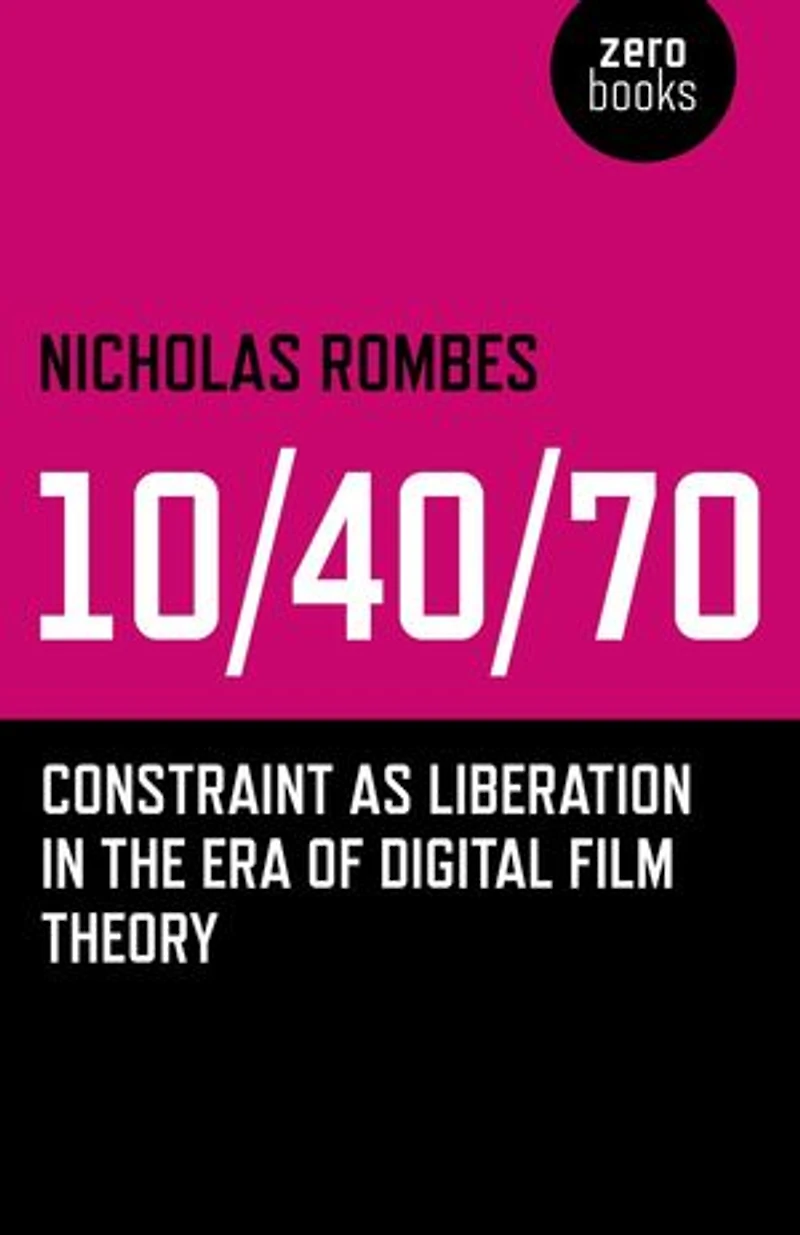
10/40/70: Constraint As Liberation The Era Of Digital Film Theory
Indigo
Loading Inventory...
10/40/70: Constraint As Liberation The Era Of Digital Film Theory
Current price: $12.99

10/40/70: Constraint As Liberation The Era Of Digital Film Theory
Current price: $12.99
Loading Inventory...
Size: Kobo eBook
*Product information may vary - to confirm product availability, pricing, shipping and return information please contact Indigo
In an era of rapid transformation from analog to digital, how can we write about cinema in ways that are as fresh, surprising, and challenging as the best films are? In 10/40/70 Nicholas Rombes proposes one bold possibility: pause a film at the 10, 40, and 70-minute mark and write about the frames at hand, no matter what they are. This method of constraint—by eliminating choice and foreclosing on authorial intention—allows the film itself to dictate the terms of its analysis freed from the tyranny of predetermined interpretation. Inspired by Roland Barthes’s notion of the “third meaning” and its focus on the film frame as an image that is neither a photograph nor a moving image, Rombes assumes the role of image detective, searching the frames for clues not only about the films themselves—drawn from a wide range of genres and time periods—but the very conditions of their existence in the digital age.
,
In an era of rapid transformation from analog to digital, how can we write about cinema in ways that are as fresh, surprising, and challenging as the best films are? In 10/40/70 Nicholas Rombes proposes one bold possibility: pause a film at the 10, 40, and 70-minute mark and write about the frames at hand, no matter what they are. This method of constraint—by eliminating choice and foreclosing on authorial intention—allows the film itself to dictate the terms of its analysis freed from the tyranny of predetermined interpretation. Inspired by Roland Barthes’s notion of the “third meaning” and its focus on the film frame as an image that is neither a photograph nor a moving image, Rombes assumes the role of image detective, searching the frames for clues not only about the films themselves—drawn from a wide range of genres and time periods—but the very conditions of their existence in the digital age.
,
You May Also Like







More About Indigo at Erin Mills Town Centre
The largest book retailer in Canada also offers toys, music, home décor, gifts and lifestyle products. What's Inside...Books, Magazines, CD’s and DVD’s, Toys and Gifts, Home Accents, Electronics, Baby’s and Children’s Section, Bath and Body, Kitchen and Bedroom, Stationary Located outside in the exterior plaza.
5015 Glen Erin Dr, Mississauga, ON L5M 0R7, Canada
Find Indigo at Erin Mills Town Centre in Mississauga ON
Visit Indigo at Erin Mills Town Centre in Mississauga ON