

GIVE THE PERFECT GIFT
Erin Mills Town Centre Gift Cards are the perfect choice for your gift giving needs.Purchase gift cards at kiosks near the food court or centre court, at Guest Services, or click below to purchase online.PURCHASE HEREHome
1824-1838
Indigo
Loading Inventory...

1824-1838
Current price: $210.00

1824-1838
Current price: $210.00
Loading Inventory...
Size: Hardcover
*Product information may vary - to confirm product availability, pricing, shipping and return information please contact Indigo
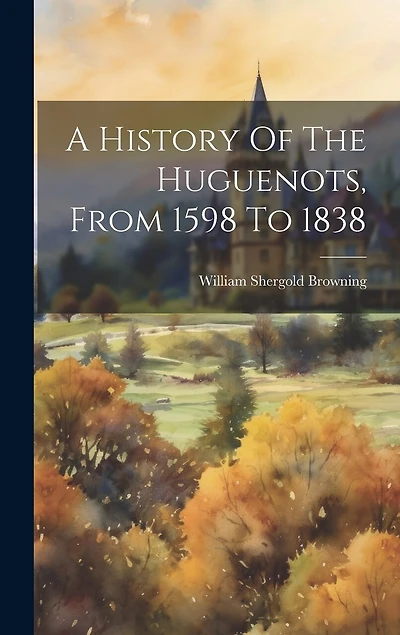
Volume VI in this series contains quotation books and miscellaneous notebooks that Ralph Waldo Emerson kept between 1824 and 1838, and to which he added occasionally as late as the 1860s. With some attempt at a systematic listing, but more often at random, he set down an enormous variety of entries from Burke, Montaigne, Madame de Staël, Bacon, Plutarch, Jeremy Taylor, and a host of other writers both famous and obscure, with frequent comments of his own.
One book contains Emerson’s lengthy translations of Goethe, while another is devoted to his brother Charles, who died in 1836, and includes, among other items, excerpts from Charles’s letters to his fiancée. A third contains an interview with a survivor of the battle of Concord and household accounts from the fall and winter of 1835, just after Emerson’s marriage to Lydia Jackson.
Frequent annotations show that Emerson referred to several of these books in composing the sermons he began to give late in 1826, and that many of the entries found their way into his public lectures, into Nature , and into Essays: First Series . These pages are a fascinating indication of the sources on which Emerson drew steadily in his writing and thinking, and reflect clearly, although indirectly, his own characteristic philosophy.
Volume VI in this series contains quotation books and miscellaneous notebooks that Ralph Waldo Emerson kept between 1824 and 1838, and to which he added occasionally as late as the 1860s. With some attempt at a systematic listing, but more often at random, he set down an enormous variety of entries from Burke, Montaigne, Madame de Staël, Bacon, Plutarch, Jeremy Taylor, and a host of other writers both famous and obscure, with frequent comments of his own.
One book contains Emerson’s lengthy translations of Goethe, while another is devoted to his brother Charles, who died in 1836, and includes, among other items, excerpts from Charles’s letters to his fiancée. A third contains an interview with a survivor of the battle of Concord and household accounts from the fall and winter of 1835, just after Emerson’s marriage to Lydia Jackson.
Frequent annotations show that Emerson referred to several of these books in composing the sermons he began to give late in 1826, and that many of the entries found their way into his public lectures, into Nature , and into Essays: First Series . These pages are a fascinating indication of the sources on which Emerson drew steadily in his writing and thinking, and reflect clearly, although indirectly, his own characteristic philosophy.











More About Indigo at Erin Mills Town Centre
The largest book retailer in Canada also offers toys, music, home décor, gifts and lifestyle products. What's Inside...Books, Magazines, CD’s and DVD’s, Toys and Gifts, Home Accents, Electronics, Baby’s and Children’s Section, Bath and Body, Kitchen and Bedroom, Stationary Located outside in the exterior plaza.
5015 Glen Erin Dr, Mississauga, ON L5M 0R7, Canada
Find Indigo at Erin Mills Town Centre in Mississauga ON
Visit Indigo at Erin Mills Town Centre in Mississauga ON