

GIVE THE PERFECT GIFT
Erin Mills Town Centre Gift Cards are the perfect choice for your gift giving needs.Purchase gift cards at kiosks near the food court or centre court, at Guest Services, or click below to purchase online.PURCHASE HEREHome
1916 - What the People Saw
Indigo
Loading Inventory...
1916 - What the People Saw
Current price: $10.09
Original price: $12.22

1916 - What the People Saw
Current price: $10.09
Original price: $12.22
Loading Inventory...
Size: Kobo eBook
*Product information may vary - to confirm product availability, pricing, shipping and return information please contact Indigo
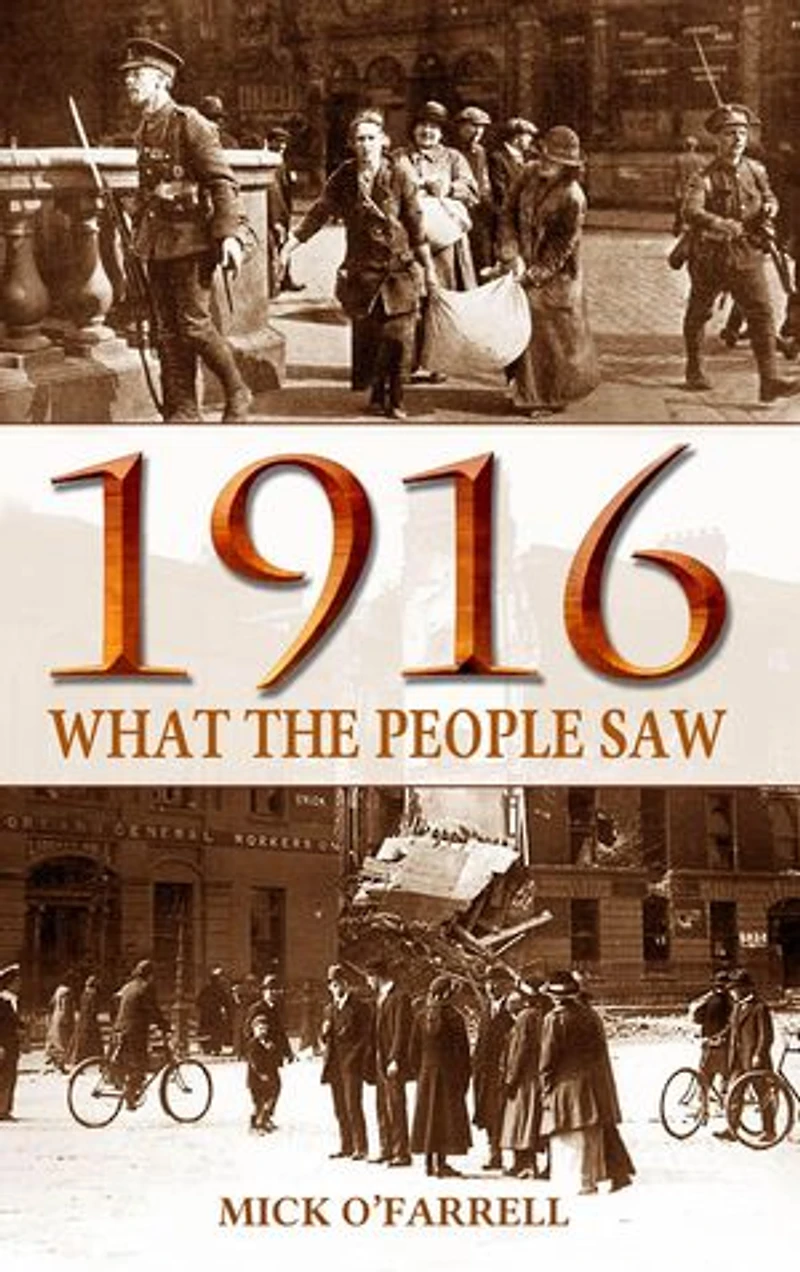
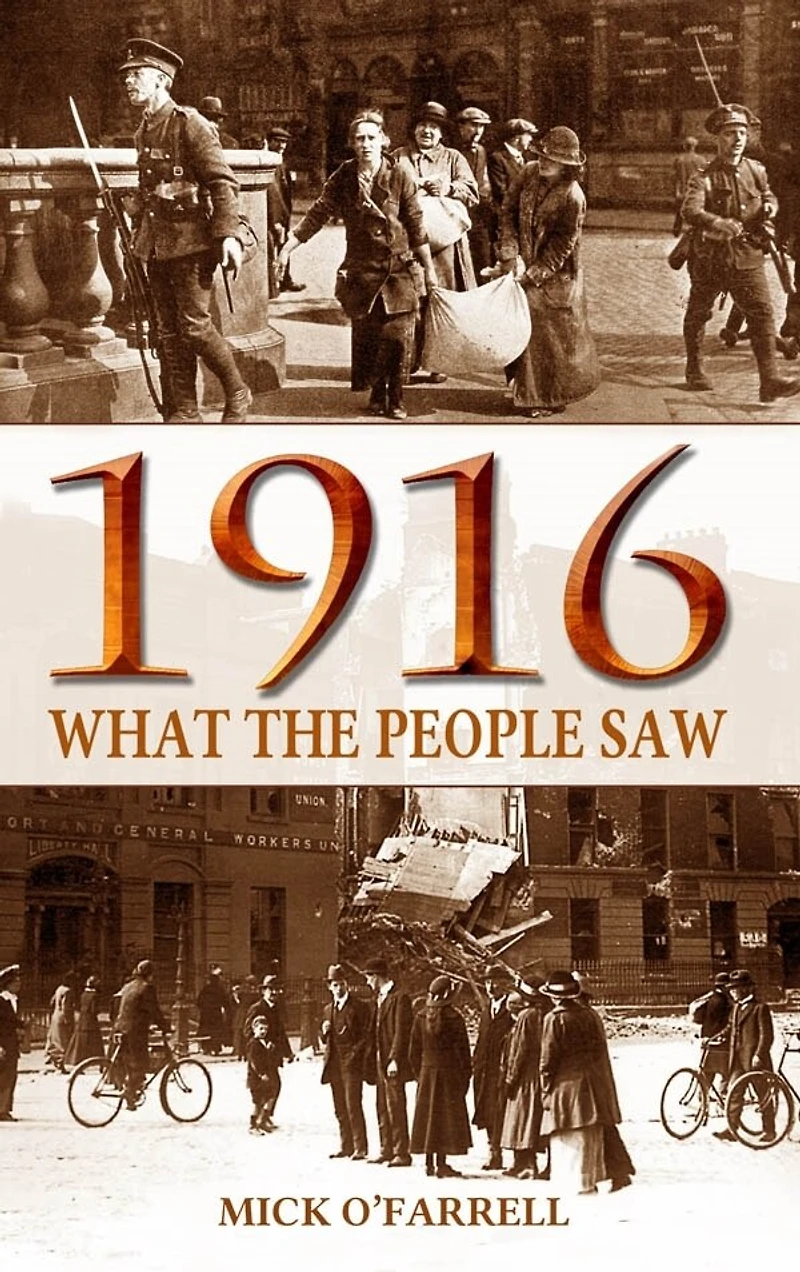
When the rebellion of 1916 had ended, more than 400 people were dead and over 2,000 wounded. More than half of these were civilians, but even for those civilians who were not direct casualties, the rising was one of the most momentous experiences of their lives. The accounts that Mick O'Farrell has collected come from letters, diaries, extracts from otherwise unrelated biographies, and contemporary magazine and newspaper articles. Some common themes are present in the accounts. For instance, a fear of going hungry, which resulted in constant, and dangerous, attempts to stock up with supplies. There was also a grim realisation (despite two years of World War) that war had arrived on their doorstep: 'We know a bit what War is like now'. For some, there was even an undeniable element of excitement - one witness writes that 'now that it's over, none of us would've missed it for the world'. After watching a woman shot in the street, another witness notes that he 'saw a man rush out and take a snapshot'. Elsewhere, there are 'crowds looking on as if at a sham battle'. For most, however, it was the kind of excitement they could do without: Complementing the many historical accounts of the rising and statements from the participants, this book gives a real flavour of what it was like to live through history in the making.
When the rebellion of 1916 had ended, more than 400 people were dead and over 2,000 wounded. More than half of these were civilians, but even for those civilians who were not direct casualties, the rising was one of the most momentous experiences of their lives. The accounts that Mick O'Farrell has collected come from letters, diaries, extracts from otherwise unrelated biographies, and contemporary magazine and newspaper articles. Some common themes are present in the accounts. For instance, a fear of going hungry, which resulted in constant, and dangerous, attempts to stock up with supplies. There was also a grim realisation (despite two years of World War) that war had arrived on their doorstep: 'We know a bit what War is like now'. For some, there was even an undeniable element of excitement - one witness writes that 'now that it's over, none of us would've missed it for the world'. After watching a woman shot in the street, another witness notes that he 'saw a man rush out and take a snapshot'. Elsewhere, there are 'crowds looking on as if at a sham battle'. For most, however, it was the kind of excitement they could do without: Complementing the many historical accounts of the rising and statements from the participants, this book gives a real flavour of what it was like to live through history in the making.
You May Also Like








More About Indigo at Erin Mills Town Centre
The largest book retailer in Canada also offers toys, music, home décor, gifts and lifestyle products. What's Inside...Books, Magazines, CD’s and DVD’s, Toys and Gifts, Home Accents, Electronics, Baby’s and Children’s Section, Bath and Body, Kitchen and Bedroom, Stationary Located outside in the exterior plaza.
5015 Glen Erin Dr, Mississauga, ON L5M 0R7, Canada
Find Indigo at Erin Mills Town Centre in Mississauga ON
Visit Indigo at Erin Mills Town Centre in Mississauga ON