

GIVE THE PERFECT GIFT
Erin Mills Town Centre Gift Cards are the perfect choice for your gift giving needs.Purchase gift cards at kiosks near the food court or centre court, at Guest Services, or click below to purchase online.PURCHASE HEREHome
1919 – the Year That Changed China: A New History of Culture Movement
Indigo
Loading Inventory...
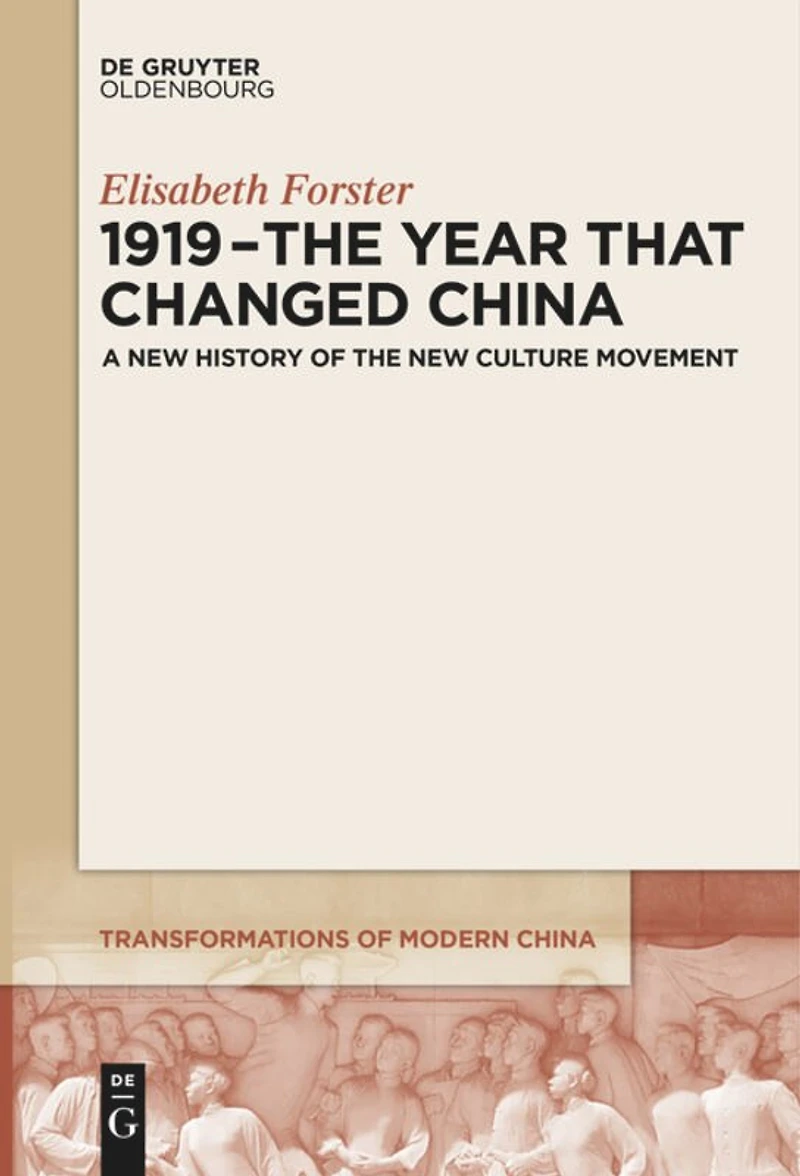
1919 – the Year That Changed China: A New History of Culture Movement
Current price: $147.99

1919 – the Year That Changed China: A New History of Culture Movement
Current price: $147.99
Loading Inventory...
Size: Hardcover
*Product information may vary - to confirm product availability, pricing, shipping and return information please contact Indigo
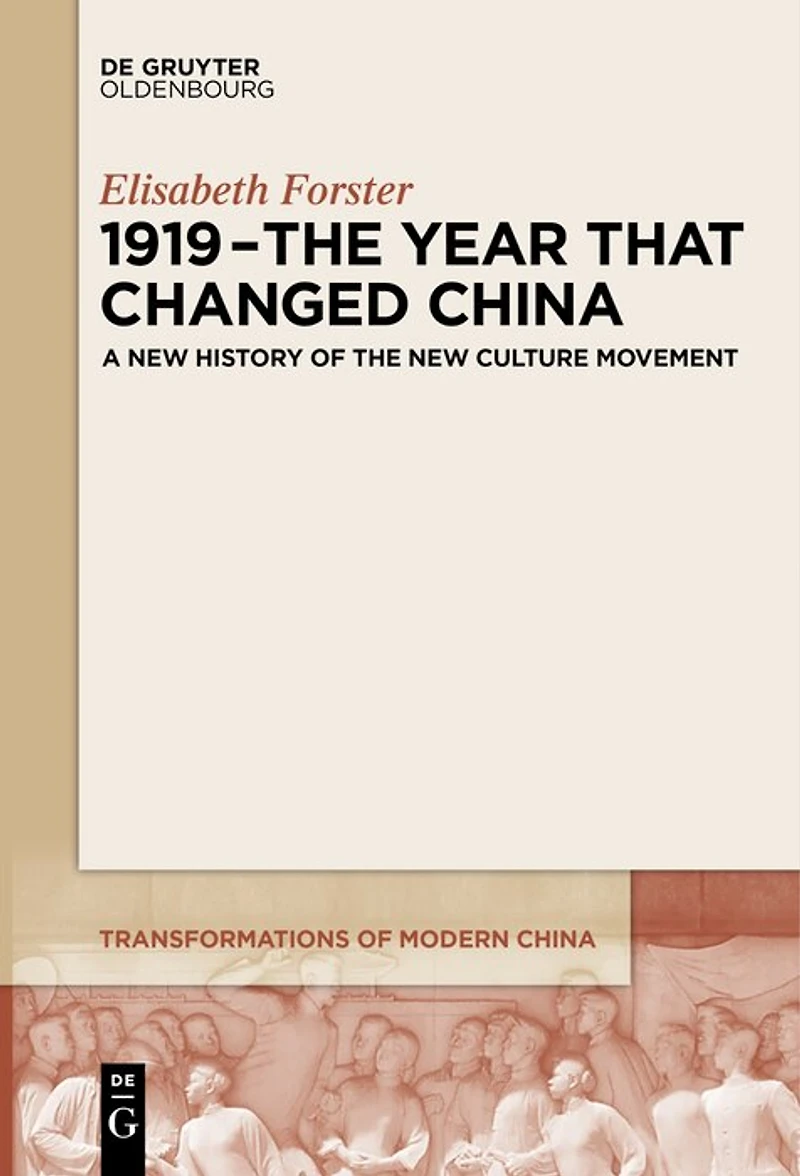
The year 1919 changed Chinese culture radically, but in a way that completely took contemporaries by surprise. At the beginning of the year, even well-informed intellectuals did not anticipate that, for instance, baihua (aprecursor of the modern Chinese language), communism, Hu Shi and Chen Duxiu would become important and famous – all of which was very obvious to them at the end of the year. Elisabeth Forster traces the precise mechanisms behind this transformation on the basis of a rich variety of sources, including newspapers, personal letters, student essays, advertisements, textbooks and diaries. She proposes a new model for cultural change, which puts intellectual marketing at its core. This book retells the story of the New Culture Movement in light of the diversifi ed and decentered picture of Republican China developed in recent scholarship. It is a lively and ironic narrative about cultural change through academic infi ghting, rumors and conspiracy theories, newspaper stories and intellectuals (hell-)bent on selling agendas through powerful buzzwords.
The year 1919 changed Chinese culture radically, but in a way that completely took contemporaries by surprise. At the beginning of the year, even well-informed intellectuals did not anticipate that, for instance, baihua (aprecursor of the modern Chinese language), communism, Hu Shi and Chen Duxiu would become important and famous – all of which was very obvious to them at the end of the year. Elisabeth Forster traces the precise mechanisms behind this transformation on the basis of a rich variety of sources, including newspapers, personal letters, student essays, advertisements, textbooks and diaries. She proposes a new model for cultural change, which puts intellectual marketing at its core. This book retells the story of the New Culture Movement in light of the diversifi ed and decentered picture of Republican China developed in recent scholarship. It is a lively and ironic narrative about cultural change through academic infi ghting, rumors and conspiracy theories, newspaper stories and intellectuals (hell-)bent on selling agendas through powerful buzzwords.
You May Also Like








More About Indigo at Erin Mills Town Centre
The largest book retailer in Canada also offers toys, music, home décor, gifts and lifestyle products. What's Inside...Books, Magazines, CD’s and DVD’s, Toys and Gifts, Home Accents, Electronics, Baby’s and Children’s Section, Bath and Body, Kitchen and Bedroom, Stationary Located outside in the exterior plaza.
5015 Glen Erin Dr, Mississauga, ON L5M 0R7, Canada
Find Indigo at Erin Mills Town Centre in Mississauga ON
Visit Indigo at Erin Mills Town Centre in Mississauga ON