

GIVE THE PERFECT GIFT
Erin Mills Town Centre Gift Cards are the perfect choice for your gift giving needs.Purchase gift cards at kiosks near the food court or centre court, at Guest Services, or click below to purchase online.PURCHASE HEREHome
1984 - Orwell
Indigo
Loading Inventory...
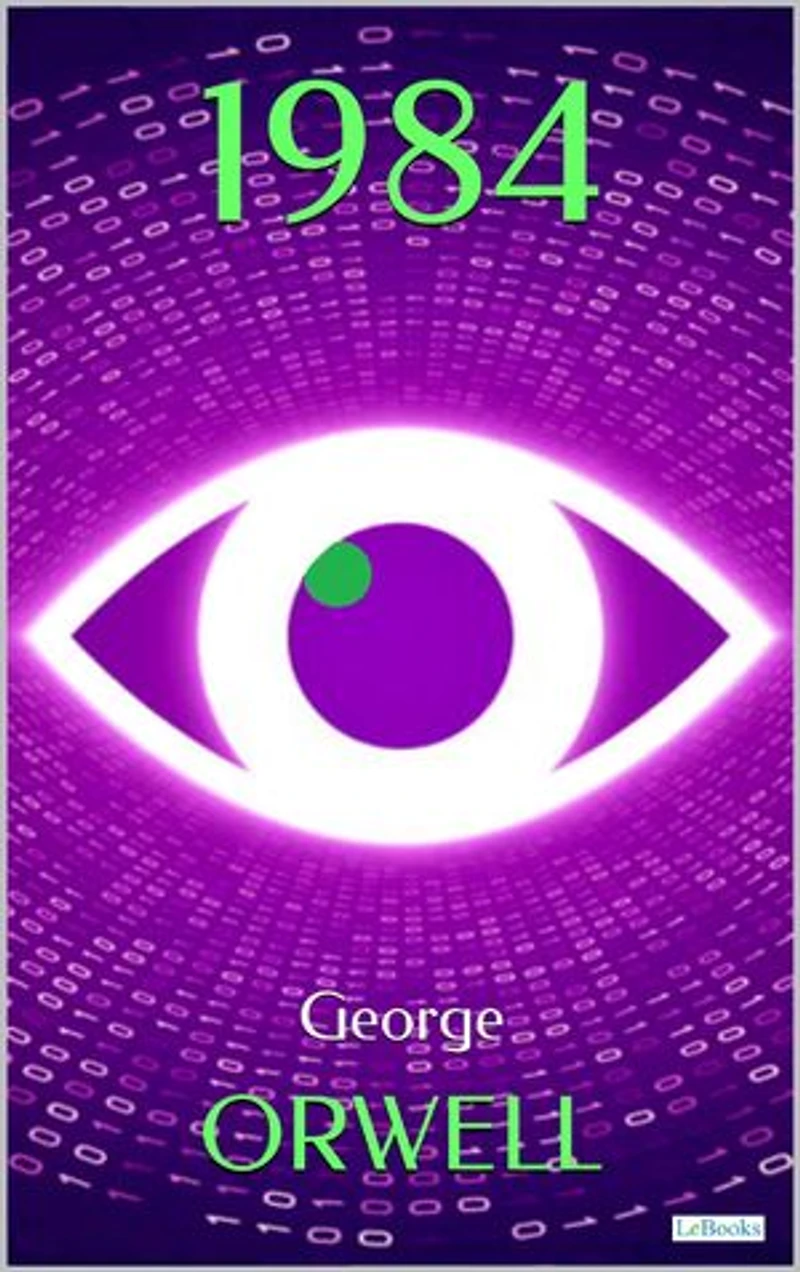
1984 - Orwell
Current price: $1.99

1984 - Orwell
Current price: $1.99
Loading Inventory...
Size: Kobo eBook
*Product information may vary - to confirm product availability, pricing, shipping and return information please contact Indigo
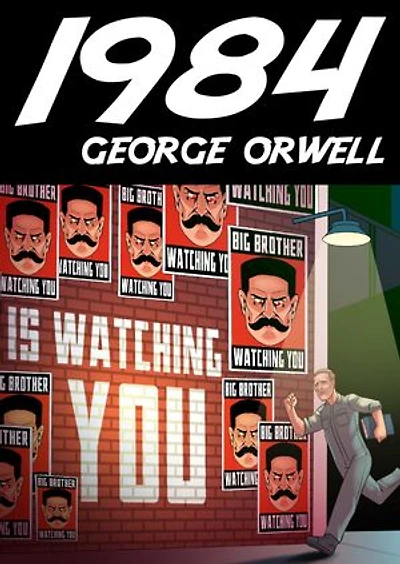
1984 or Nineteen Eighty-Four: A Novel , is a dystopian novel by English novelist George Orwell. It was published on 8 June 1949. 1984 is one of George Orwell's most powerful politically charged novels, a beautifully crafted warning against the dangers of a totalitarian society, and one of the most famous novels in the dystopian genre. Winston Smith is a low-ranking member of the ruling party in London whose every move is monitored by telescreens. Everywhere Winston goes, the party's omniscient leader, Big Brother, watches him. This is an important novel not only for its stark warning against abusive authority (and its somewhat ironic contribution to modern television content), but also for its insights into the power of manipulating language, history, and the psychology of fear and control. These issues are perhaps even more pertinent today than when Orwell penned his novel.
1984 or Nineteen Eighty-Four: A Novel , is a dystopian novel by English novelist George Orwell. It was published on 8 June 1949. 1984 is one of George Orwell's most powerful politically charged novels, a beautifully crafted warning against the dangers of a totalitarian society, and one of the most famous novels in the dystopian genre. Winston Smith is a low-ranking member of the ruling party in London whose every move is monitored by telescreens. Everywhere Winston goes, the party's omniscient leader, Big Brother, watches him. This is an important novel not only for its stark warning against abusive authority (and its somewhat ironic contribution to modern television content), but also for its insights into the power of manipulating language, history, and the psychology of fear and control. These issues are perhaps even more pertinent today than when Orwell penned his novel.
You May Also Like







More About Indigo at Erin Mills Town Centre
The largest book retailer in Canada also offers toys, music, home décor, gifts and lifestyle products. What's Inside...Books, Magazines, CD’s and DVD’s, Toys and Gifts, Home Accents, Electronics, Baby’s and Children’s Section, Bath and Body, Kitchen and Bedroom, Stationary Located outside in the exterior plaza.
5015 Glen Erin Dr, Mississauga, ON L5M 0R7, Canada
Find Indigo at Erin Mills Town Centre in Mississauga ON
Visit Indigo at Erin Mills Town Centre in Mississauga ON