

GIVE THE PERFECT GIFT
Erin Mills Town Centre Gift Cards are the perfect choice for your gift giving needs.Purchase gift cards at kiosks near the food court or centre court, at Guest Services, or click below to purchase online.PURCHASE HEREHome
3D Printing Technology: A New Horizon in Pharmaceutical Drug Delivery
Indigo
Loading Inventory...
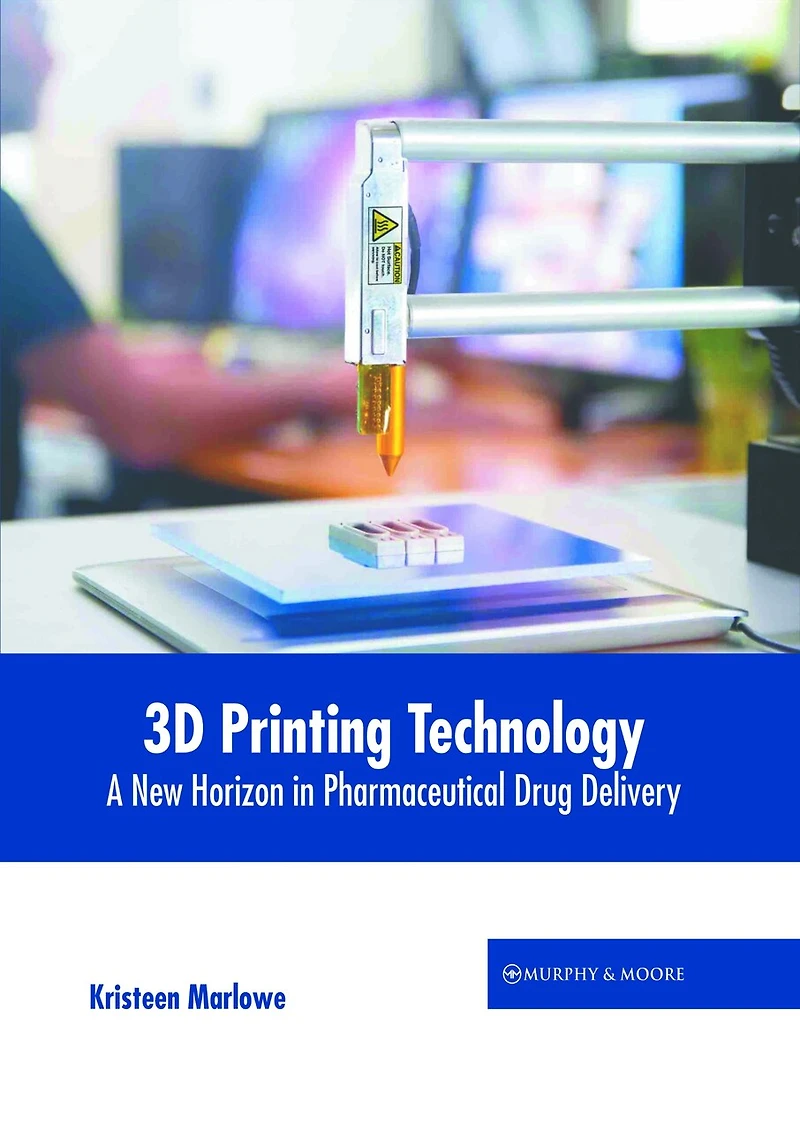
3D Printing Technology: A New Horizon in Pharmaceutical Drug Delivery
Current price: $200.50

3D Printing Technology: A New Horizon in Pharmaceutical Drug Delivery
Current price: $200.50
Loading Inventory...
Size: Hardcover
*Product information may vary - to confirm product availability, pricing, shipping and return information please contact Indigo
Three-dimensional (3D) printing is a manufacturing process in which a physical three-dimensional part is created from a digital design. The process of 3D printing comprises of laying down thin layers of material in the form of cement or metal, powdered or liquid plastic, which are then joined together to create a desired part or object. Lately, 3D printing has emerged as a powerful tool for revolutionizing the pharmaceutical sector. There are several potential applications of 3D printing that range from dosage form design and pre-clinical drug development to the fabrication of regenerative medicine and medical implant devices. In the clinical practice, technologies like 3D printing can prove to be extremely helpful in personalizing the medicines. This book is a compilation of chapters that discuss the most vital concepts and emerging trends of 3D printing in the field of pharmaceuticals. A number of latest researches have been included to keep the readers up-to-date with the global concepts in this area of study. The extensive content of this book provides the students and professionals associated with the development of pharmaceuticals with a thorough understanding of the subject.
Three-dimensional (3D) printing is a manufacturing process in which a physical three-dimensional part is created from a digital design. The process of 3D printing comprises of laying down thin layers of material in the form of cement or metal, powdered or liquid plastic, which are then joined together to create a desired part or object. Lately, 3D printing has emerged as a powerful tool for revolutionizing the pharmaceutical sector. There are several potential applications of 3D printing that range from dosage form design and pre-clinical drug development to the fabrication of regenerative medicine and medical implant devices. In the clinical practice, technologies like 3D printing can prove to be extremely helpful in personalizing the medicines. This book is a compilation of chapters that discuss the most vital concepts and emerging trends of 3D printing in the field of pharmaceuticals. A number of latest researches have been included to keep the readers up-to-date with the global concepts in this area of study. The extensive content of this book provides the students and professionals associated with the development of pharmaceuticals with a thorough understanding of the subject.
You May Also Like









More About Indigo at Erin Mills Town Centre
The largest book retailer in Canada also offers toys, music, home décor, gifts and lifestyle products. What's Inside...Books, Magazines, CD’s and DVD’s, Toys and Gifts, Home Accents, Electronics, Baby’s and Children’s Section, Bath and Body, Kitchen and Bedroom, Stationary Located outside in the exterior plaza.
5015 Glen Erin Dr, Mississauga, ON L5M 0R7, Canada
Find Indigo at Erin Mills Town Centre in Mississauga ON
Visit Indigo at Erin Mills Town Centre in Mississauga ON