

GIVE THE PERFECT GIFT
Erin Mills Town Centre Gift Cards are the perfect choice for your gift giving needs.Purchase gift cards at kiosks near the food court or centre court, at Guest Services, or click below to purchase online.PURCHASE HEREHome
46 Men Dead: The Royal Irish Constabulary in County Tipperary 1919–22
Indigo
Loading Inventory...
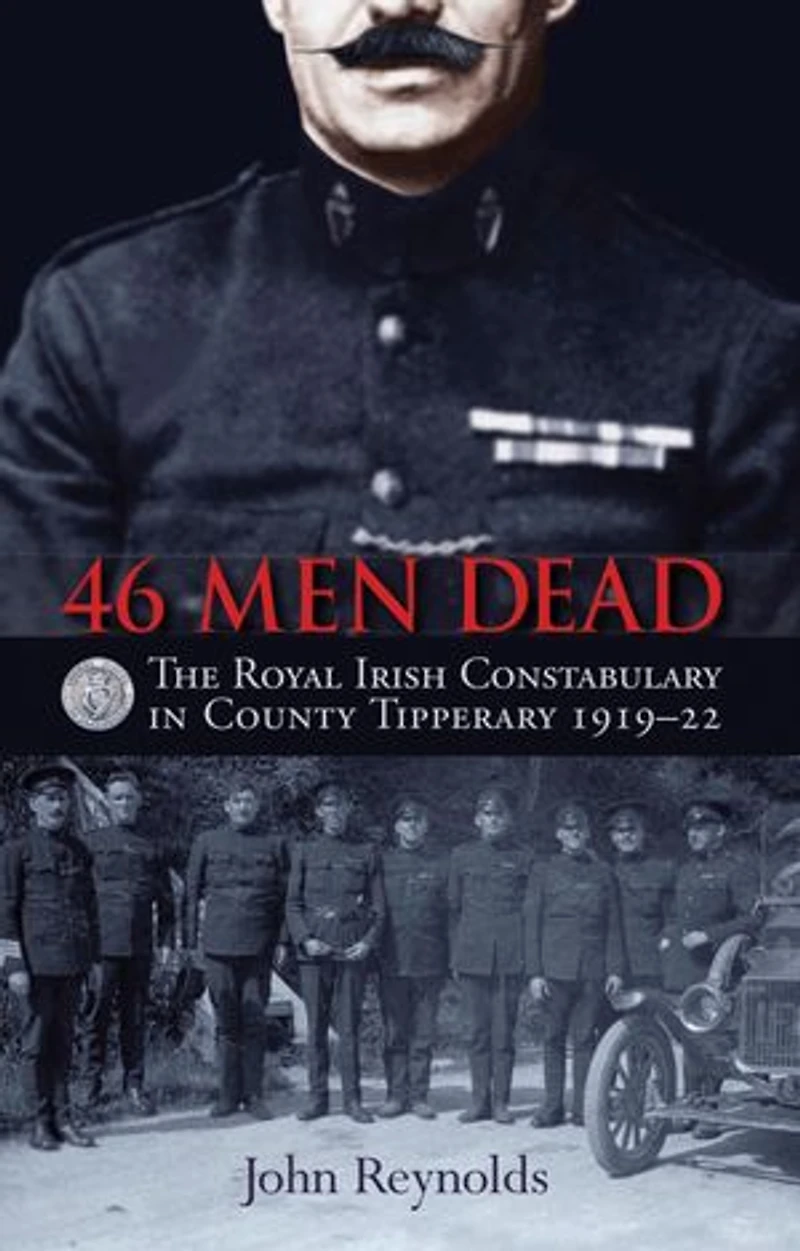
46 Men Dead: The Royal Irish Constabulary in County Tipperary 1919–22
Current price: $12.29
Original price: $15.28

46 Men Dead: The Royal Irish Constabulary in County Tipperary 1919–22
Current price: $12.29
Original price: $15.28
Loading Inventory...
Size: Kobo eBook
*Product information may vary - to confirm product availability, pricing, shipping and return information please contact Indigo
IN JANUARY 1919, AT SOLOHEADBEG IN TIPPERARY, two members of the Royal Irish Constabulary (RIC) were killed by the IRA. In the four bloody years that followed, nearly 500 RIC men were killed and hundreds more wounded. In Tipperary alone, 46 policemen were killed, making it one of most violent counties in Ireland. The popular image of the RIC is that they were the 'eyes and ears of Dublin Castle', an oppressive colonial force policing its fellow countrymen. But the truth is closer to home: many were Irishmen who joined because it was a secure job with prospects and a pension at the end of service. When confronted with a volunteer army of young and dedicated guerrilla fighters, it was unable to cope. When the conflict ended, the RIC was disbanded, not at the insistence of the Provisional Government, but of its own members. 46 Men Dead is a thought-provoking look at the grim reality of the conflict in Tipperary, a microcosm of the wider battle that was the War of Independence.
IN JANUARY 1919, AT SOLOHEADBEG IN TIPPERARY, two members of the Royal Irish Constabulary (RIC) were killed by the IRA. In the four bloody years that followed, nearly 500 RIC men were killed and hundreds more wounded. In Tipperary alone, 46 policemen were killed, making it one of most violent counties in Ireland. The popular image of the RIC is that they were the 'eyes and ears of Dublin Castle', an oppressive colonial force policing its fellow countrymen. But the truth is closer to home: many were Irishmen who joined because it was a secure job with prospects and a pension at the end of service. When confronted with a volunteer army of young and dedicated guerrilla fighters, it was unable to cope. When the conflict ended, the RIC was disbanded, not at the insistence of the Provisional Government, but of its own members. 46 Men Dead is a thought-provoking look at the grim reality of the conflict in Tipperary, a microcosm of the wider battle that was the War of Independence.
You May Also Like







More About Indigo at Erin Mills Town Centre
The largest book retailer in Canada also offers toys, music, home décor, gifts and lifestyle products. What's Inside...Books, Magazines, CD’s and DVD’s, Toys and Gifts, Home Accents, Electronics, Baby’s and Children’s Section, Bath and Body, Kitchen and Bedroom, Stationary Located outside in the exterior plaza.
5015 Glen Erin Dr, Mississauga, ON L5M 0R7, Canada
Find Indigo at Erin Mills Town Centre in Mississauga ON
Visit Indigo at Erin Mills Town Centre in Mississauga ON