

GIVE THE PERFECT GIFT
Erin Mills Town Centre Gift Cards are the perfect choice for your gift giving needs.Purchase gift cards at kiosks near the food court or centre court, at Guest Services, or click below to purchase online.PURCHASE HEREHome
4D Printing, Volume 2: Between Science and Technology
Indigo
Loading Inventory...
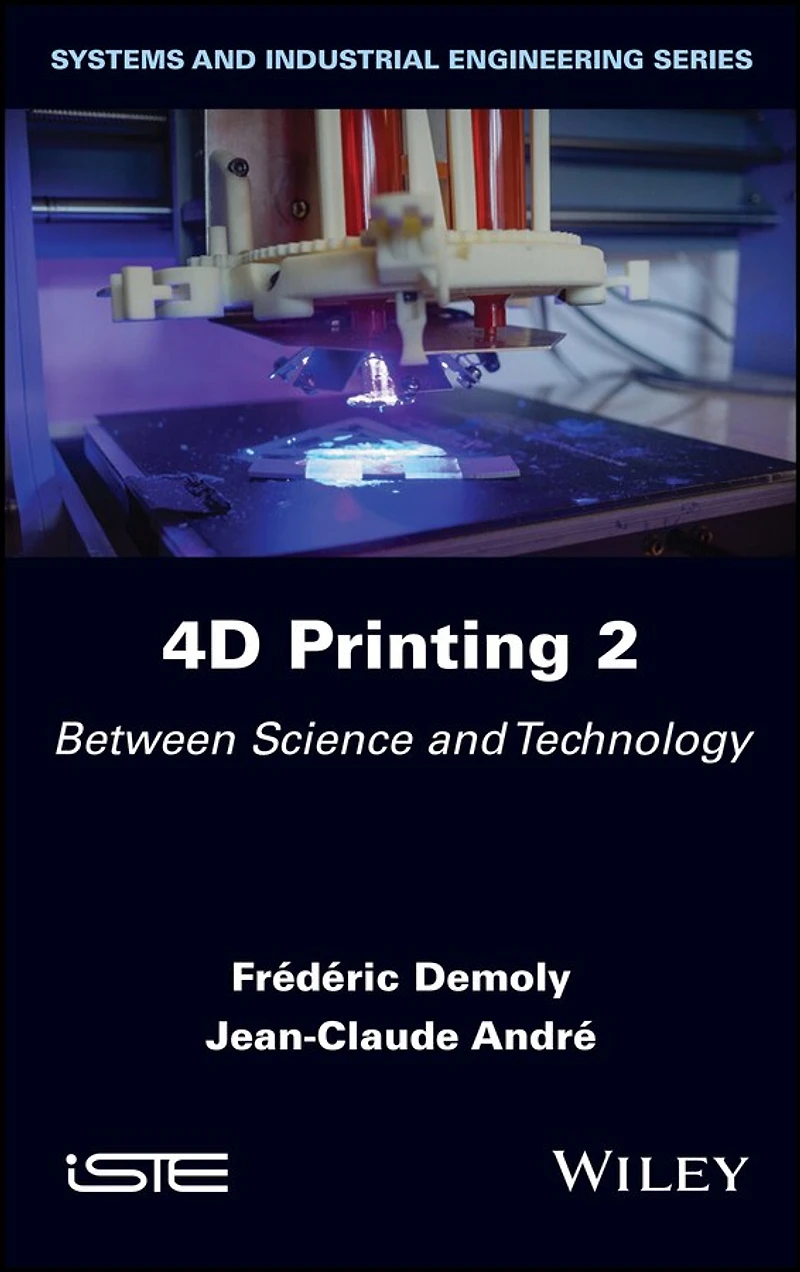
4D Printing, Volume 2: Between Science and Technology
Current price: $235.00

4D Printing, Volume 2: Between Science and Technology
Current price: $235.00
Loading Inventory...
Size: Hardcover
*Product information may vary - to confirm product availability, pricing, shipping and return information please contact Indigo
Who hasn’t dreamed of seeing matter transformed in a way that suits you? This is the goal of 4D printing, using materials that can change in terms of shape and property under the effect of energy stimulation. From the description of the actions and actuators, the authors show the weaknesses that limit the industrialization of 4D printing processes; these are the modes of energy stimulation.
To prepare for the future, two chapters are introduced: “Material-Process Duality in Industrial 4D Printing” and “How to Approach 4D Printing in Design”. If the capture and reuse of 4D printing knowledge is necessary for this objective, the conclusion leaves the existing myth around the 4D printing theme and proposes a “draft” roadmap that should be the subject of reflection and scientific debate on a concept that is still immature, but full of promise.
Who hasn’t dreamed of seeing matter transformed in a way that suits you? This is the goal of 4D printing, using materials that can change in terms of shape and property under the effect of energy stimulation. From the description of the actions and actuators, the authors show the weaknesses that limit the industrialization of 4D printing processes; these are the modes of energy stimulation.
To prepare for the future, two chapters are introduced: “Material-Process Duality in Industrial 4D Printing” and “How to Approach 4D Printing in Design”. If the capture and reuse of 4D printing knowledge is necessary for this objective, the conclusion leaves the existing myth around the 4D printing theme and proposes a “draft” roadmap that should be the subject of reflection and scientific debate on a concept that is still immature, but full of promise.
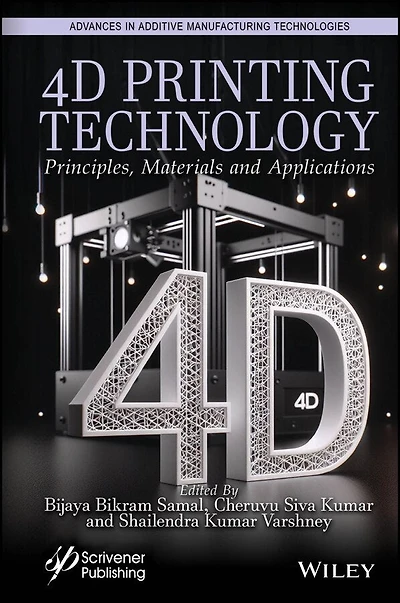
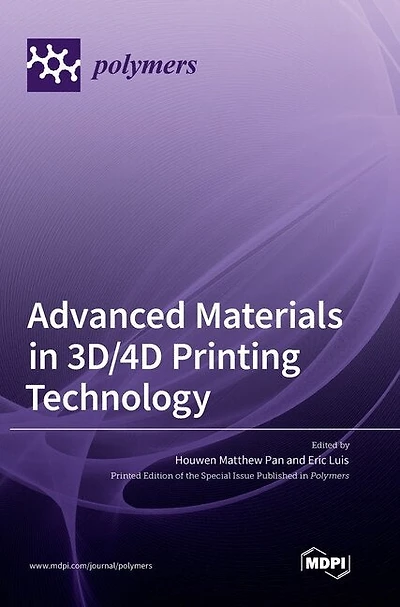
You May Also Like









More About Indigo at Erin Mills Town Centre
The largest book retailer in Canada also offers toys, music, home décor, gifts and lifestyle products. What's Inside...Books, Magazines, CD’s and DVD’s, Toys and Gifts, Home Accents, Electronics, Baby’s and Children’s Section, Bath and Body, Kitchen and Bedroom, Stationary Located outside in the exterior plaza.
5015 Glen Erin Dr, Mississauga, ON L5M 0R7, Canada
Find Indigo at Erin Mills Town Centre in Mississauga ON
Visit Indigo at Erin Mills Town Centre in Mississauga ON