

GIVE THE PERFECT GIFT
Erin Mills Town Centre Gift Cards are the perfect choice for your gift giving needs.Purchase gift cards at kiosks near the food court or centre court, at Guest Services, or click below to purchase online.PURCHASE HEREHome
A 7th Century Anglo-Saxon Cemetery at Burwell Road, Exning, Suffolk
Indigo
Loading Inventory...
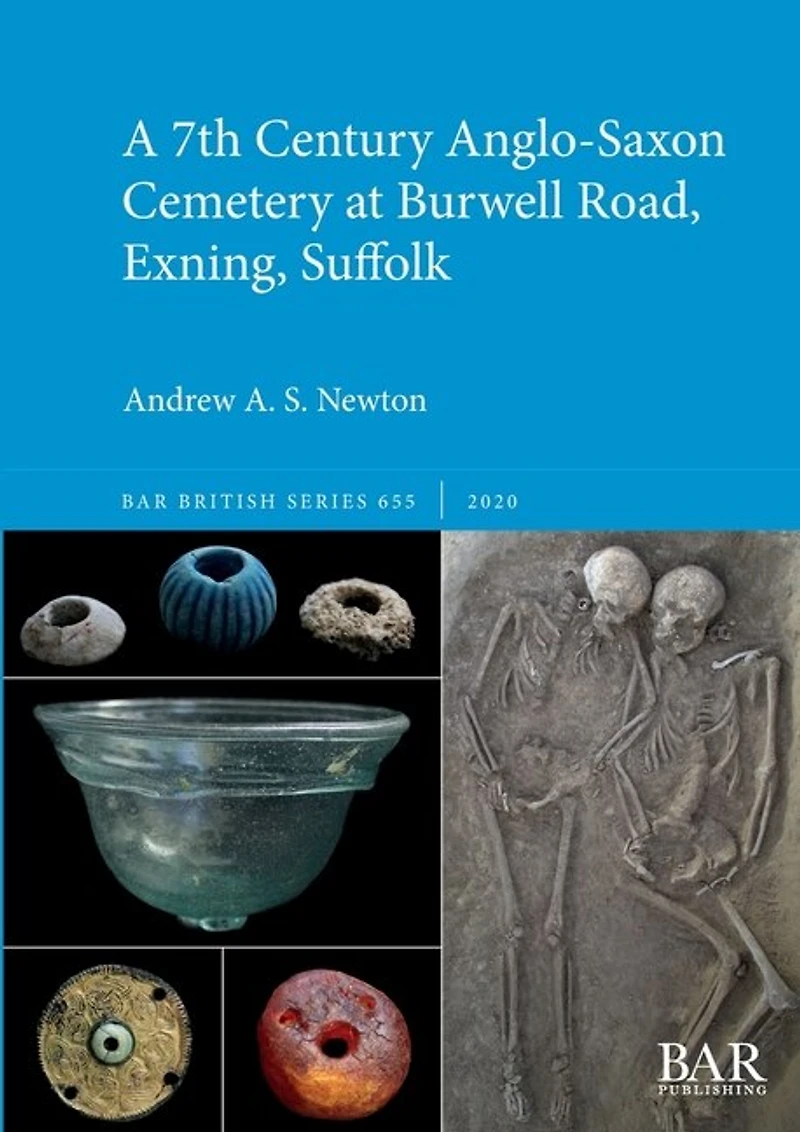
A 7th Century Anglo-Saxon Cemetery at Burwell Road, Exning, Suffolk
Current price: $110.07

A 7th Century Anglo-Saxon Cemetery at Burwell Road, Exning, Suffolk
Current price: $110.07
Loading Inventory...
Size: Paperback
*Product information may vary - to confirm product availability, pricing, shipping and return information please contact Indigo
The village of Exning in the most westerly part of Suffolk is a small settlement appended to the north-west of the larger town of Newmarket. Despite its modern inferiority to Newmarket, it is understood to have been an important location in the Anglo-Saxon period. Statements in the Liber Eliensis or 'Book of Ely' suggest that St Æthelthryth, or Etheldreda, the daughter of King Anna of East Anglia, who would become Abbess of Ely, was born here. This volume describes the archaeological excavation of the site and the 7th century Anglo-Saxon cemetery that was recorded here. Grave goods present with several of the burials in the cemetery were indicative of high status. Of further note is the similarity of the richest grave at this site with a grave recorded at a cemetery on the Isle of Ely which is considered to have had links with the religious community there.
The village of Exning in the most westerly part of Suffolk is a small settlement appended to the north-west of the larger town of Newmarket. Despite its modern inferiority to Newmarket, it is understood to have been an important location in the Anglo-Saxon period. Statements in the Liber Eliensis or 'Book of Ely' suggest that St Æthelthryth, or Etheldreda, the daughter of King Anna of East Anglia, who would become Abbess of Ely, was born here. This volume describes the archaeological excavation of the site and the 7th century Anglo-Saxon cemetery that was recorded here. Grave goods present with several of the burials in the cemetery were indicative of high status. Of further note is the similarity of the richest grave at this site with a grave recorded at a cemetery on the Isle of Ely which is considered to have had links with the religious community there.
You May Also Like







More About Indigo at Erin Mills Town Centre
The largest book retailer in Canada also offers toys, music, home décor, gifts and lifestyle products. What's Inside...Books, Magazines, CD’s and DVD’s, Toys and Gifts, Home Accents, Electronics, Baby’s and Children’s Section, Bath and Body, Kitchen and Bedroom, Stationary Located outside in the exterior plaza.
5015 Glen Erin Dr, Mississauga, ON L5M 0R7, Canada
Find Indigo at Erin Mills Town Centre in Mississauga ON
Visit Indigo at Erin Mills Town Centre in Mississauga ON