

GIVE THE PERFECT GIFT
Erin Mills Town Centre Gift Cards are the perfect choice for your gift giving needs.Purchase gift cards at kiosks near the food court or centre court, at Guest Services, or click below to purchase online.PURCHASE HEREHome
A Bag Worth a Pony: The Art of the Ojibwe Bandolier Bag
Indigo
Loading Inventory...
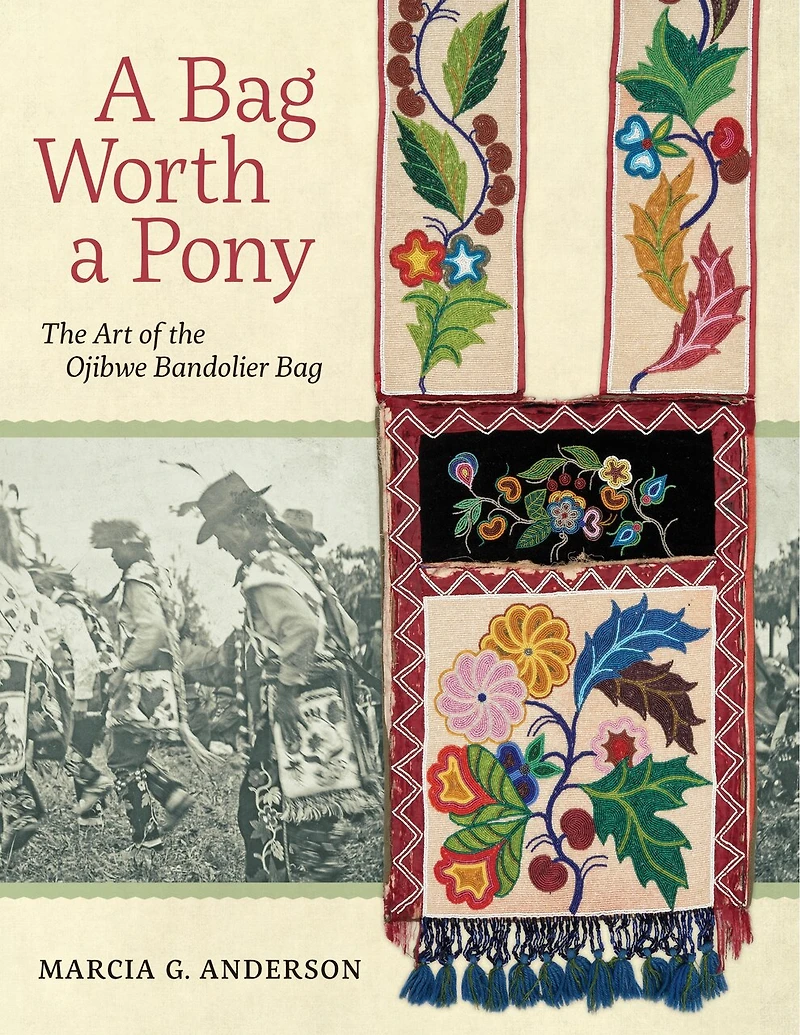
A Bag Worth a Pony: The Art of the Ojibwe Bandolier Bag
Current price: $45.99

A Bag Worth a Pony: The Art of the Ojibwe Bandolier Bag
Current price: $45.99
Loading Inventory...
Size: Paperback
*Product information may vary - to confirm product availability, pricing, shipping and return information please contact Indigo
Bandolier bags, or gashkibidaaganag—the large, heavily beaded shoulder bags made and worn by several North American Indian tribes around the Great Lakes—are prized cultural icons here and around the world. From the 1870s to the present day, Ojibwe bead artists of Minnesota have been especially well known for their lively, creative designs. Neighboring Dakota people would trade a pony for a beautiful beaded bag.
Over the years, non-Indian collectors and ethnographers, struck by the bags' cultural significance and visual appeal, bought them up. Today, there are hundreds of bags in museums around the world, but not so many in the hands of community members. In A Bag Worth a Pony , Marcia G. Anderson shares the results of thirty years of study, in which she learned from the talented bead artists who keep the form alive, from historical records, and from the bags themselves.
Anderson examines the history, forms, structure, and motifs of the bags, giving readers the tools to understand a bag's makeup and meaning. She also offers a tour of Minnesota's seven Ojibwe reservations, showing the beautiful beaded bags associated with each along with the personal insights of seven master beadworkers.
Bandolier bags, or gashkibidaaganag—the large, heavily beaded shoulder bags made and worn by several North American Indian tribes around the Great Lakes—are prized cultural icons here and around the world. From the 1870s to the present day, Ojibwe bead artists of Minnesota have been especially well known for their lively, creative designs. Neighboring Dakota people would trade a pony for a beautiful beaded bag.
Over the years, non-Indian collectors and ethnographers, struck by the bags' cultural significance and visual appeal, bought them up. Today, there are hundreds of bags in museums around the world, but not so many in the hands of community members. In A Bag Worth a Pony , Marcia G. Anderson shares the results of thirty years of study, in which she learned from the talented bead artists who keep the form alive, from historical records, and from the bags themselves.
Anderson examines the history, forms, structure, and motifs of the bags, giving readers the tools to understand a bag's makeup and meaning. She also offers a tour of Minnesota's seven Ojibwe reservations, showing the beautiful beaded bags associated with each along with the personal insights of seven master beadworkers.
You May Also Like


















More About Indigo at Erin Mills Town Centre
The largest book retailer in Canada also offers toys, music, home décor, gifts and lifestyle products. What's Inside...Books, Magazines, CD’s and DVD’s, Toys and Gifts, Home Accents, Electronics, Baby’s and Children’s Section, Bath and Body, Kitchen and Bedroom, Stationary Located outside in the exterior plaza.
5015 Glen Erin Dr, Mississauga, ON L5M 0R7, Canada
Find Indigo at Erin Mills Town Centre in Mississauga ON
Visit Indigo at Erin Mills Town Centre in Mississauga ON