

GIVE THE PERFECT GIFT
Erin Mills Town Centre Gift Cards are the perfect choice for your gift giving needs.Purchase gift cards at kiosks near the food court or centre court, at Guest Services, or click below to purchase online.PURCHASE HEREHome
A Bipolar Strategy for a Multi-Polar World: Emerging Trends in Chinese Nuclear Strategy
Indigo
Loading Inventory...
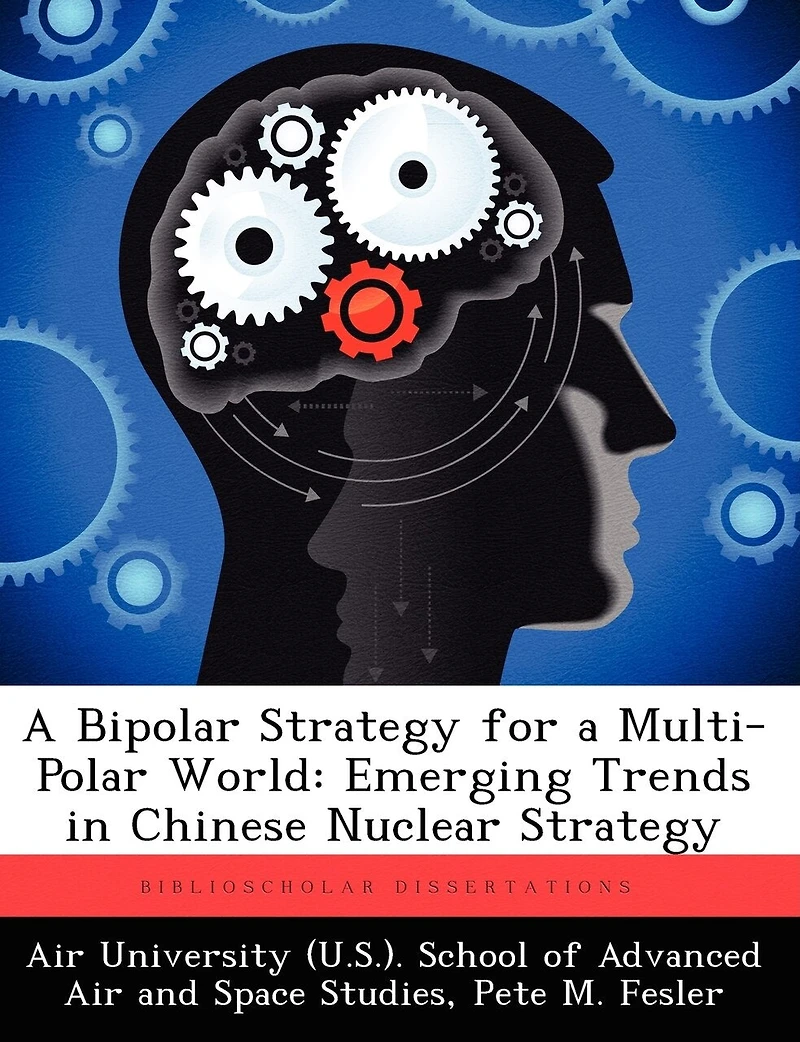
A Bipolar Strategy for a Multi-Polar World: Emerging Trends in Chinese Nuclear Strategy
Current price: $59.00

A Bipolar Strategy for a Multi-Polar World: Emerging Trends in Chinese Nuclear Strategy
Current price: $59.00
Loading Inventory...
Size: Paperback
*Product information may vary - to confirm product availability, pricing, shipping and return information please contact Indigo
According to official public statements, China's nuclear arsenal exists solely to deter nuclear attacks. There are, however, growing indicators that Beijing sees broader utility in these powerful weapons. Behind the scenes debates, internally circulated publications, a puzzling array of delivery systems, and the positioning of nuclear forces in the vicinity of non-nuclear states suggests a strategy aimed at more than simply deterring nuclear attacks. This thesis attempts to cut through the veil of secrecy and ambiguity that surrounds China's nuclear policy to determine the true nature of Beijing's nuclear posture. By examining key indicators of nuclear strategy, including equipment, targeting, communication, and nuclear stated thresholds, it shows that, with respect to the United States and Russia, China maintains a minimum deterrent posture aimed solely at deterring a nuclear attack. This is consistent with its official position. With respect to potential regional adversaries however, including deployed US conventional forces, China appears to have opted for a war-fighting strategy aimed at deterring both nuclear and conventional war. This is a significant departure from Beijing's official position, and represents a shift from China's long-standing minimum deterrent posture. This thesis concludes by recommending several measures that Washington should take in light of the shift in Chinese strategy. These measures include a renewed effort to dissuade Taiwan from making overt moves toward independence, a continued demonstration of willingness to oppose Chinese attempts at forcible reunification, the dispersal and hardening of key facilities in the region, and a reiteration of the overwhelming American response to a nuclear attack the US, its allies, or American deployed forces.
According to official public statements, China's nuclear arsenal exists solely to deter nuclear attacks. There are, however, growing indicators that Beijing sees broader utility in these powerful weapons. Behind the scenes debates, internally circulated publications, a puzzling array of delivery systems, and the positioning of nuclear forces in the vicinity of non-nuclear states suggests a strategy aimed at more than simply deterring nuclear attacks. This thesis attempts to cut through the veil of secrecy and ambiguity that surrounds China's nuclear policy to determine the true nature of Beijing's nuclear posture. By examining key indicators of nuclear strategy, including equipment, targeting, communication, and nuclear stated thresholds, it shows that, with respect to the United States and Russia, China maintains a minimum deterrent posture aimed solely at deterring a nuclear attack. This is consistent with its official position. With respect to potential regional adversaries however, including deployed US conventional forces, China appears to have opted for a war-fighting strategy aimed at deterring both nuclear and conventional war. This is a significant departure from Beijing's official position, and represents a shift from China's long-standing minimum deterrent posture. This thesis concludes by recommending several measures that Washington should take in light of the shift in Chinese strategy. These measures include a renewed effort to dissuade Taiwan from making overt moves toward independence, a continued demonstration of willingness to oppose Chinese attempts at forcible reunification, the dispersal and hardening of key facilities in the region, and a reiteration of the overwhelming American response to a nuclear attack the US, its allies, or American deployed forces.
You May Also Like















More About Indigo at Erin Mills Town Centre
The largest book retailer in Canada also offers toys, music, home décor, gifts and lifestyle products. What's Inside...Books, Magazines, CD’s and DVD’s, Toys and Gifts, Home Accents, Electronics, Baby’s and Children’s Section, Bath and Body, Kitchen and Bedroom, Stationary Located outside in the exterior plaza.
5015 Glen Erin Dr, Mississauga, ON L5M 0R7, Canada
Find Indigo at Erin Mills Town Centre in Mississauga ON
Visit Indigo at Erin Mills Town Centre in Mississauga ON