

GIVE THE PERFECT GIFT
Erin Mills Town Centre Gift Cards are the perfect choice for your gift giving needs.Purchase gift cards at kiosks near the food court or centre court, at Guest Services, or click below to purchase online.PURCHASE HEREHome
A Blueprint for Worker Solidarity: Class Politics and Community Wisconsin
Indigo
Loading Inventory...
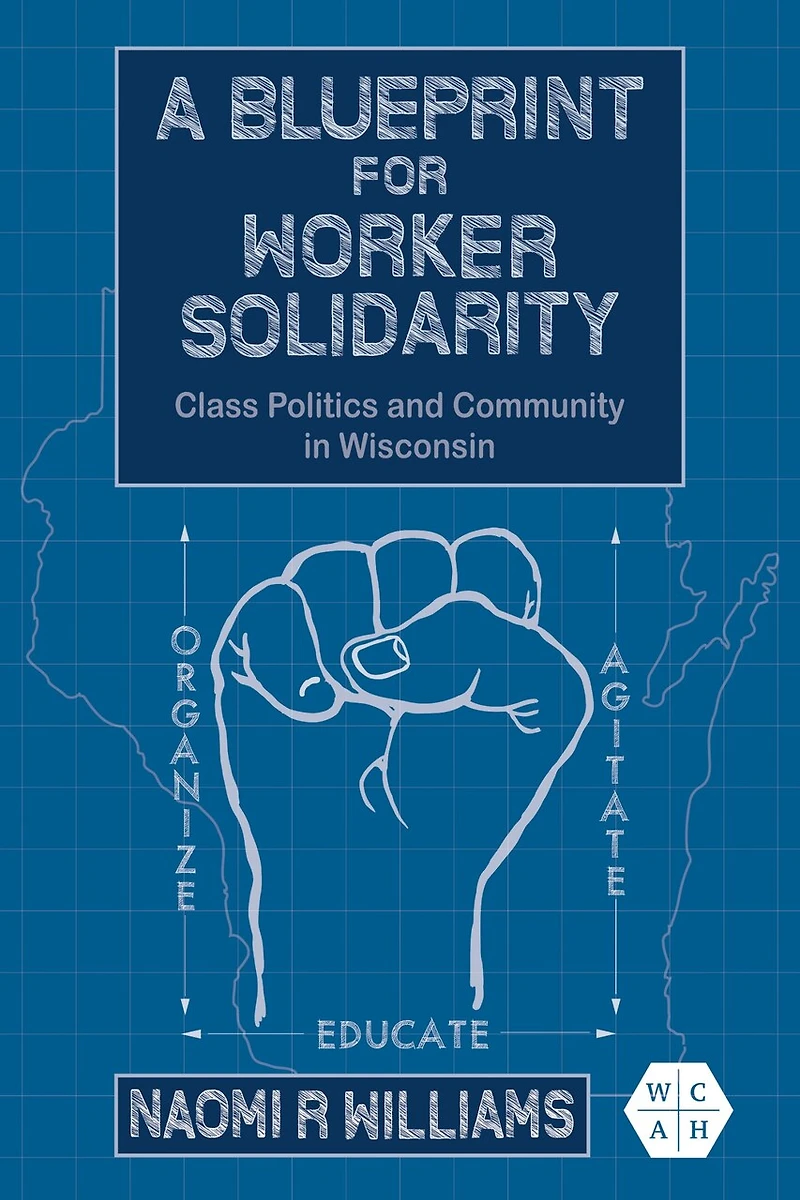
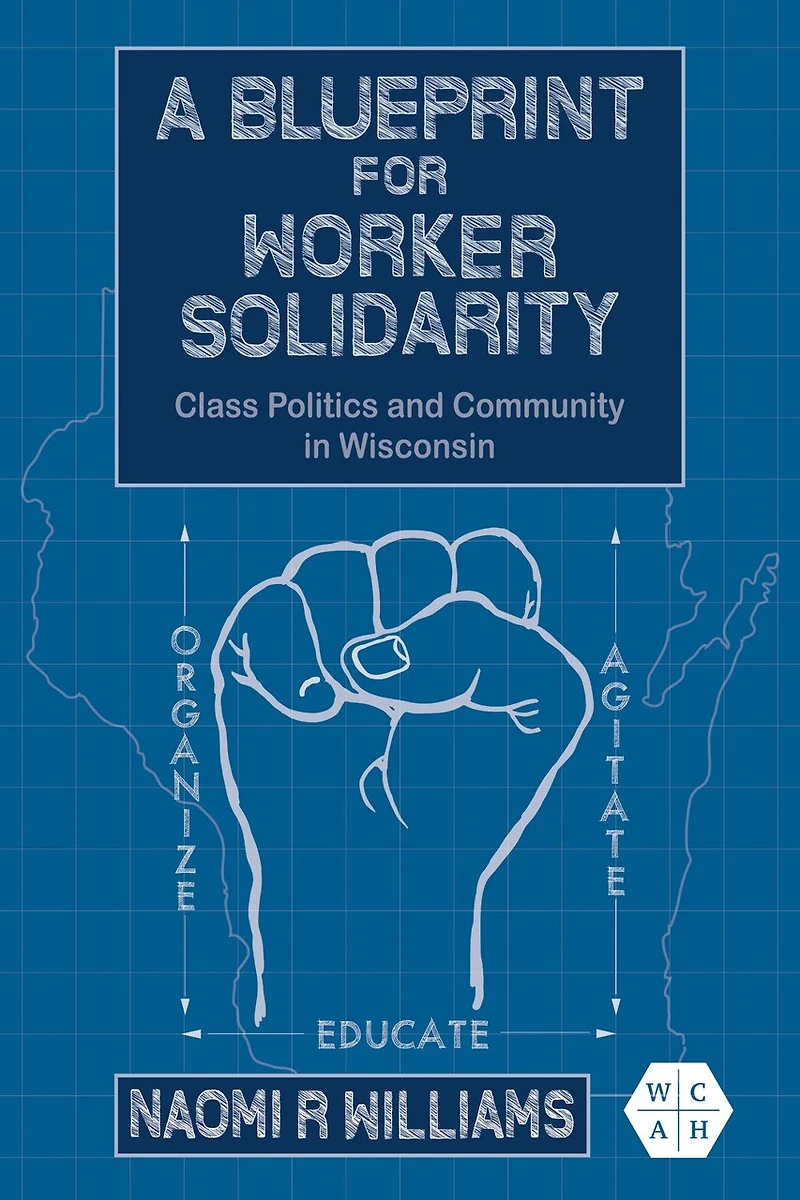
A Blueprint for Worker Solidarity: Class Politics and Community Wisconsin
Current price: $143.00

A Blueprint for Worker Solidarity: Class Politics and Community Wisconsin
Current price: $143.00
Loading Inventory...
Size: Hardcover
*Product information may vary - to confirm product availability, pricing, shipping and return information please contact Indigo
Like many Midwestern factory towns, deindustrialization damaged Racine in the 1970s and 1980s. But the Wisconsin city differed from others like it in one important way: workers maintained their homegrown working-class economy and political culture. Even as labor declined across the country, Racine’s workers successfully fought for fair housing and education, held politicians accountable, and allied with racial and gender justice organizations. Naomi R Williams traces the journeys of two local activists to highlight how people can support democracy and economic freedom in the twenty-first century. In Racine, ideas of class and race shifted but remained strong. The broad-based class politics that emerged drew on racial analysis, vigilant organizing, and agile labor leadership that organized more people. Unionized workers in turn won political power while uniting to resist conservative and corporate attacks. Charting Racine’s transition, Williams breaks down how worker solidarity persevered and presents lessons that can provide valuable guidance for today’s generation of activists.
Like many Midwestern factory towns, deindustrialization damaged Racine in the 1970s and 1980s. But the Wisconsin city differed from others like it in one important way: workers maintained their homegrown working-class economy and political culture. Even as labor declined across the country, Racine’s workers successfully fought for fair housing and education, held politicians accountable, and allied with racial and gender justice organizations. Naomi R Williams traces the journeys of two local activists to highlight how people can support democracy and economic freedom in the twenty-first century. In Racine, ideas of class and race shifted but remained strong. The broad-based class politics that emerged drew on racial analysis, vigilant organizing, and agile labor leadership that organized more people. Unionized workers in turn won political power while uniting to resist conservative and corporate attacks. Charting Racine’s transition, Williams breaks down how worker solidarity persevered and presents lessons that can provide valuable guidance for today’s generation of activists.
You May Also Like
















More About Indigo at Erin Mills Town Centre
The largest book retailer in Canada also offers toys, music, home décor, gifts and lifestyle products. What's Inside...Books, Magazines, CD’s and DVD’s, Toys and Gifts, Home Accents, Electronics, Baby’s and Children’s Section, Bath and Body, Kitchen and Bedroom, Stationary Located outside in the exterior plaza.
5015 Glen Erin Dr, Mississauga, ON L5M 0R7, Canada
Find Indigo at Erin Mills Town Centre in Mississauga ON
Visit Indigo at Erin Mills Town Centre in Mississauga ON