

GIVE THE PERFECT GIFT
Erin Mills Town Centre Gift Cards are the perfect choice for your gift giving needs.Purchase gift cards at kiosks near the food court or centre court, at Guest Services, or click below to purchase online.PURCHASE HEREHome
A Bridge Built Halfway: A History of Memorial University College, 1925-1950
Indigo
Loading Inventory...
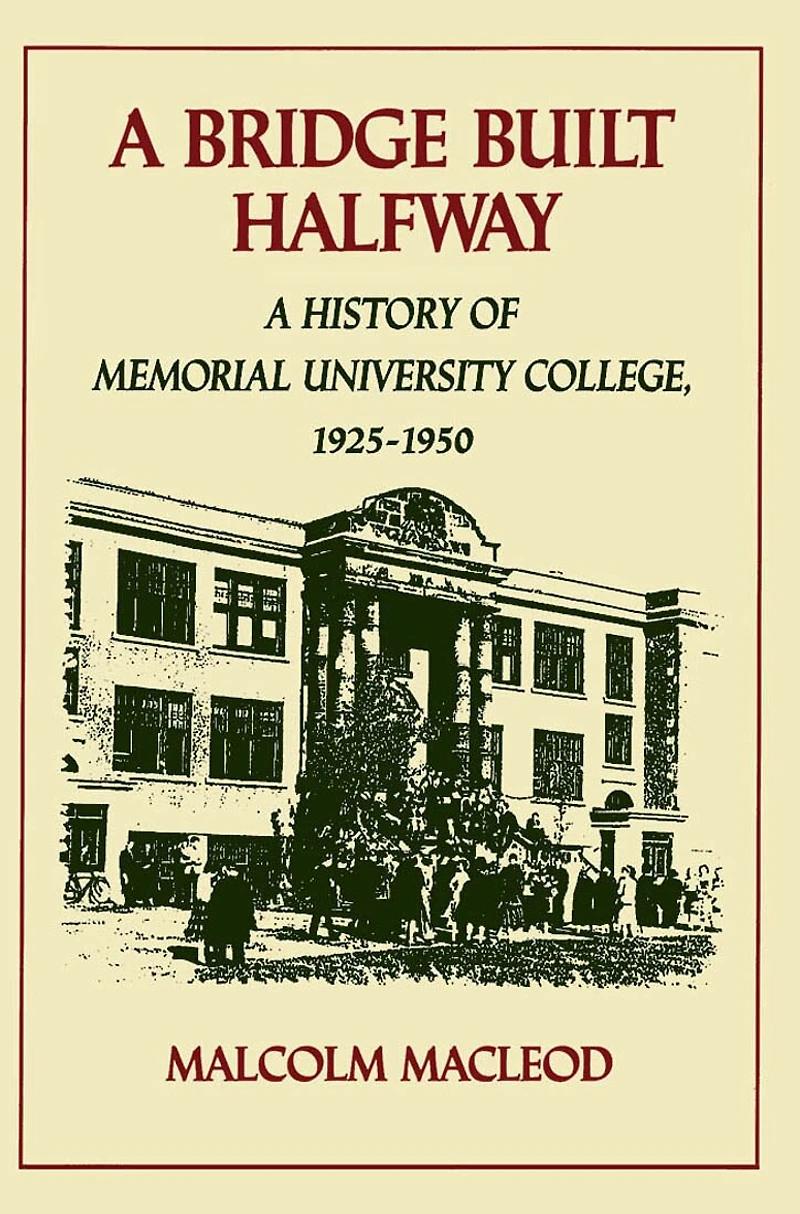
A Bridge Built Halfway: A History of Memorial University College, 1925-1950
Current price: $125.00

A Bridge Built Halfway: A History of Memorial University College, 1925-1950
Current price: $125.00
Loading Inventory...
Size: Hardcover
*Product information may vary - to confirm product availability, pricing, shipping and return information please contact Indigo
Malcolm MacLeod begins his history of Memorial University College by describing the forces that promoted the creation of Newfoundland's own higher-education institution and the conditions that frustrated its advancement, such as the uneasy development of educational co-operation between religious denominations. MacLeod goes on to analyse different aspects of institutional life to 1950, such as the institution's governance and patterns of staffing, the students' social backgrounds, and the college's curriculum. He also outlines Memorial's links with other aspects of society and provides the historical and social framework for its development, leading us through the optimism of the twenties and the depression of the thirties to the abandonment of self-government and the overwhelming changes that came with and after the war. He concludes by contrasting Memorial's slow and uncertain progress before 1950 with its achievements since, and by placing Memorial in the context of the development of higher education in Canada and the modernization of Newfoundland.
Malcolm MacLeod begins his history of Memorial University College by describing the forces that promoted the creation of Newfoundland's own higher-education institution and the conditions that frustrated its advancement, such as the uneasy development of educational co-operation between religious denominations. MacLeod goes on to analyse different aspects of institutional life to 1950, such as the institution's governance and patterns of staffing, the students' social backgrounds, and the college's curriculum. He also outlines Memorial's links with other aspects of society and provides the historical and social framework for its development, leading us through the optimism of the twenties and the depression of the thirties to the abandonment of self-government and the overwhelming changes that came with and after the war. He concludes by contrasting Memorial's slow and uncertain progress before 1950 with its achievements since, and by placing Memorial in the context of the development of higher education in Canada and the modernization of Newfoundland.
You May Also Like








More About Indigo at Erin Mills Town Centre
The largest book retailer in Canada also offers toys, music, home décor, gifts and lifestyle products. What's Inside...Books, Magazines, CD’s and DVD’s, Toys and Gifts, Home Accents, Electronics, Baby’s and Children’s Section, Bath and Body, Kitchen and Bedroom, Stationary Located outside in the exterior plaza.
5015 Glen Erin Dr, Mississauga, ON L5M 0R7, Canada
Find Indigo at Erin Mills Town Centre in Mississauga ON
Visit Indigo at Erin Mills Town Centre in Mississauga ON