

GIVE THE PERFECT GIFT
Erin Mills Town Centre Gift Cards are the perfect choice for your gift giving needs.Purchase gift cards at kiosks near the food court or centre court, at Guest Services, or click below to purchase online.PURCHASE HEREHome
A Bridge Too Soon: ʿAfifa Karam and the Arabic Novel in the United States
Indigo
Loading Inventory...
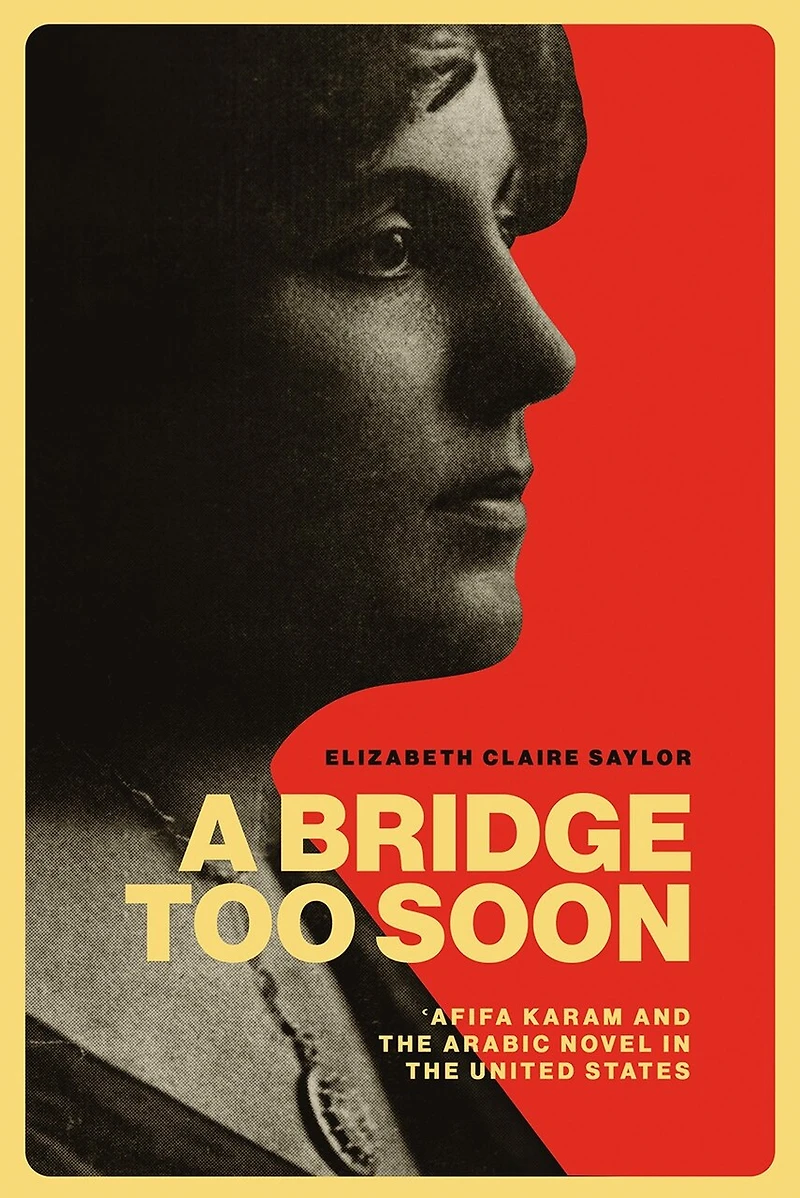
A Bridge Too Soon: ʿAfifa Karam and the Arabic Novel in the United States
Current price: $101.95

A Bridge Too Soon: ʿAfifa Karam and the Arabic Novel in the United States
Current price: $101.95
Loading Inventory...
Size: Hardcover
*Product information may vary - to confirm product availability, pricing, shipping and return information please contact Indigo
More than a century before contemporary debates about Arab American identity, a Lebanese immigrant woman in New York City was championing intercultural dialogue and women’s solidarity across cultural divides through the radical medium of the Arabic novel. ?Afifa Karam (1883–1924) not only wrote groundbreaking fiction; she also theorized the novel as a genre that could empower immigrant women readers at a time when the Arabic novel itself had yet to gain acceptance as a legitimate literary form.
Elizabeth Saylor offers the first comprehensive study of Karam’s life and work, recovering a pivotal yet overlooked figure in the nahda, the Arabic cultural renaissance. Drawing on Karam’s journalism in the New York-based newspaper al-Huda and her three published novels, Saylor reveals how this writer, journalist, and translator developed a distinctly gendered theory of fiction while addressing the urgent questions facing Syrian immigrants navigating between Arab and American cultures. Karam’s novels— Badi?a wa-Fu?ad, Fatima al-Badawiyya, and Ghadat ?Amshit —feature heroines who embody hybrid identities, forge unlikely cross-cultural friendships, and resist patriarchal oppression both in their ancestral homeland and their adopted country. Karam emerges as a bold social critic and literary innovator whose work remains strikingly relevant to contemporary discussions of transnational feminism and cultural hybridity.
More than a century before contemporary debates about Arab American identity, a Lebanese immigrant woman in New York City was championing intercultural dialogue and women’s solidarity across cultural divides through the radical medium of the Arabic novel. ?Afifa Karam (1883–1924) not only wrote groundbreaking fiction; she also theorized the novel as a genre that could empower immigrant women readers at a time when the Arabic novel itself had yet to gain acceptance as a legitimate literary form.
Elizabeth Saylor offers the first comprehensive study of Karam’s life and work, recovering a pivotal yet overlooked figure in the nahda, the Arabic cultural renaissance. Drawing on Karam’s journalism in the New York-based newspaper al-Huda and her three published novels, Saylor reveals how this writer, journalist, and translator developed a distinctly gendered theory of fiction while addressing the urgent questions facing Syrian immigrants navigating between Arab and American cultures. Karam’s novels— Badi?a wa-Fu?ad, Fatima al-Badawiyya, and Ghadat ?Amshit —feature heroines who embody hybrid identities, forge unlikely cross-cultural friendships, and resist patriarchal oppression both in their ancestral homeland and their adopted country. Karam emerges as a bold social critic and literary innovator whose work remains strikingly relevant to contemporary discussions of transnational feminism and cultural hybridity.
You May Also Like
















More About Indigo at Erin Mills Town Centre
The largest book retailer in Canada also offers toys, music, home décor, gifts and lifestyle products. What's Inside...Books, Magazines, CD’s and DVD’s, Toys and Gifts, Home Accents, Electronics, Baby’s and Children’s Section, Bath and Body, Kitchen and Bedroom, Stationary Located outside in the exterior plaza.
5015 Glen Erin Dr, Mississauga, ON L5M 0R7, Canada
Find Indigo at Erin Mills Town Centre in Mississauga ON
Visit Indigo at Erin Mills Town Centre in Mississauga ON