

GIVE THE PERFECT GIFT
Erin Mills Town Centre Gift Cards are the perfect choice for your gift giving needs.Purchase gift cards at kiosks near the food court or centre court, at Guest Services, or click below to purchase online.PURCHASE HEREHome
A Buddhist Pilgrim at the Shrines of Tibet
Indigo
Loading Inventory...
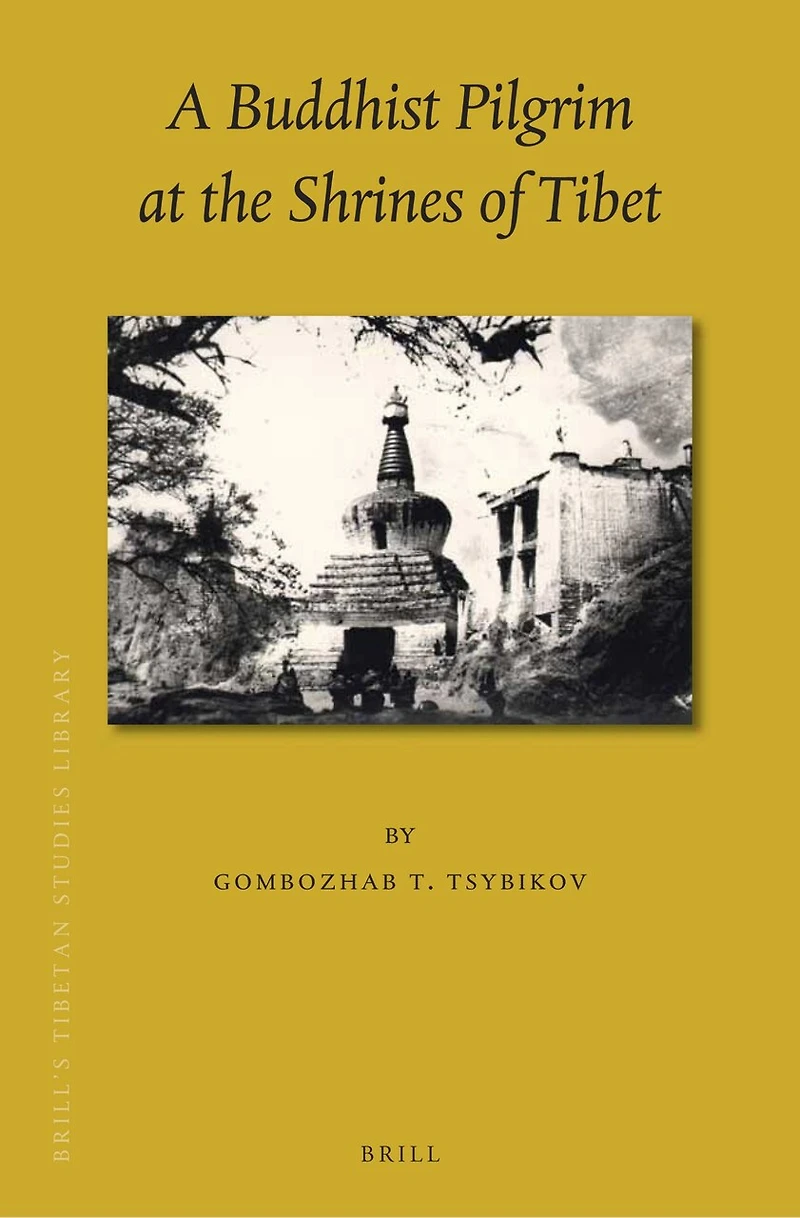
A Buddhist Pilgrim at the Shrines of Tibet
Current price: $206.99

A Buddhist Pilgrim at the Shrines of Tibet
Current price: $206.99
Loading Inventory...
Size: Hardcover
*Product information may vary - to confirm product availability, pricing, shipping and return information please contact Indigo
Tsybikov was the first scholar with a European education to visit Tibet and describe its monasteries and temples as an eyewitness traveler and an objective researcher. Tsybikov had two distinct advantages: an ethnic Buryat he could travel as a Buddhist pilgrim and thus have a chance of reaching its mysterious capital Lhasa, the religious and political center of Tibet, which was barred to outsiders, especially Europeans; as a scholar educated at a European university he had the historical and linguistic background to understand and describe what he saw. Tsybikov understood the secretive nature of the lama state and was careful to hide his work as a researcher. It was his journal that became the basis of A Buddhist Pilgrim at the Shrines of Tibet , which has both the vividness of a traveller’s eyewitness account and the informed detachment of a scholar. As a record of both religious practices and the everyday life in Tibet before Chinese inroads during the twentieth century effaced that way of life, Tsybikov’s book is a unique and invaluable snapshot of a lost culture.
Tsybikov was the first scholar with a European education to visit Tibet and describe its monasteries and temples as an eyewitness traveler and an objective researcher. Tsybikov had two distinct advantages: an ethnic Buryat he could travel as a Buddhist pilgrim and thus have a chance of reaching its mysterious capital Lhasa, the religious and political center of Tibet, which was barred to outsiders, especially Europeans; as a scholar educated at a European university he had the historical and linguistic background to understand and describe what he saw. Tsybikov understood the secretive nature of the lama state and was careful to hide his work as a researcher. It was his journal that became the basis of A Buddhist Pilgrim at the Shrines of Tibet , which has both the vividness of a traveller’s eyewitness account and the informed detachment of a scholar. As a record of both religious practices and the everyday life in Tibet before Chinese inroads during the twentieth century effaced that way of life, Tsybikov’s book is a unique and invaluable snapshot of a lost culture.
You May Also Like









More About Indigo at Erin Mills Town Centre
The largest book retailer in Canada also offers toys, music, home décor, gifts and lifestyle products. What's Inside...Books, Magazines, CD’s and DVD’s, Toys and Gifts, Home Accents, Electronics, Baby’s and Children’s Section, Bath and Body, Kitchen and Bedroom, Stationary Located outside in the exterior plaza.
5015 Glen Erin Dr, Mississauga, ON L5M 0R7, Canada
Find Indigo at Erin Mills Town Centre in Mississauga ON
Visit Indigo at Erin Mills Town Centre in Mississauga ON