

GIVE THE PERFECT GIFT
Erin Mills Town Centre Gift Cards are the perfect choice for your gift giving needs.Purchase gift cards at kiosks near the food court or centre court, at Guest Services, or click below to purchase online.PURCHASE HEREHome
A Byzantine Monastic Office, 1105 A.D.
Indigo
Loading Inventory...
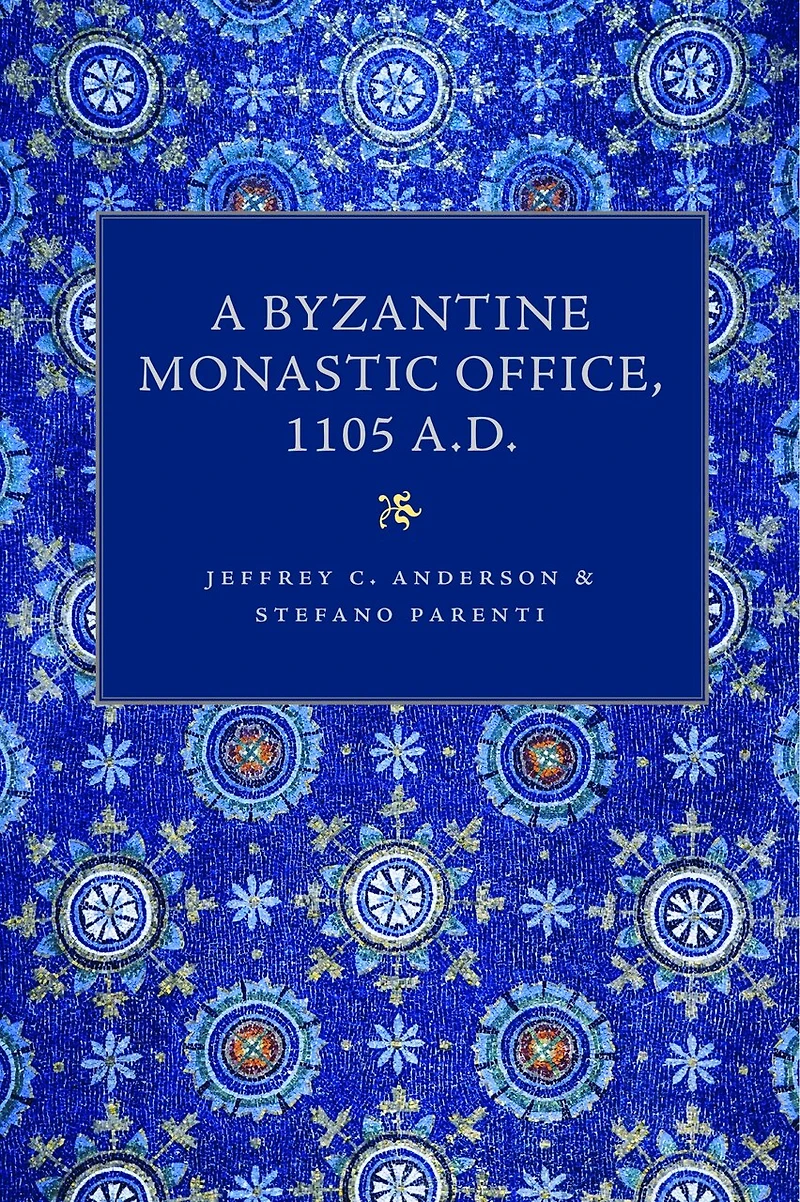
A Byzantine Monastic Office, 1105 A.D.
Current price: $45.95

A Byzantine Monastic Office, 1105 A.D.
Current price: $45.95
Loading Inventory...
Size: Paperback
*Product information may vary - to confirm product availability, pricing, shipping and return information please contact Indigo
This book centers on a Greek text that was likely compiled in Constantinople, in 1105, for use in one of the monasteries located there. The book consists of a liturgical psalter, containing the fixed structure (the ordinary) in both the Greek original and in English translation, as well as a description of the hours themselves. The extensive commentary explains the development of the divine office, and the particular history of the translated manuscript, while brief notes clarify and explain, in a way suitable for non-liturgists, the more-technical aspects of the divine office.
Based on a single dated manuscript, the book presents the first, full example of the daily structure of monastic hours as they were celebrated at a time when services had reached a degree of maturity. The book, by presenting the ordinary of the office, compliments recent work on the propers of the office, and thus helps to complete our picture of the medieval monastic office in Byzantium.
This book centers on a Greek text that was likely compiled in Constantinople, in 1105, for use in one of the monasteries located there. The book consists of a liturgical psalter, containing the fixed structure (the ordinary) in both the Greek original and in English translation, as well as a description of the hours themselves. The extensive commentary explains the development of the divine office, and the particular history of the translated manuscript, while brief notes clarify and explain, in a way suitable for non-liturgists, the more-technical aspects of the divine office.
Based on a single dated manuscript, the book presents the first, full example of the daily structure of monastic hours as they were celebrated at a time when services had reached a degree of maturity. The book, by presenting the ordinary of the office, compliments recent work on the propers of the office, and thus helps to complete our picture of the medieval monastic office in Byzantium.
You May Also Like








More About Indigo at Erin Mills Town Centre
The largest book retailer in Canada also offers toys, music, home décor, gifts and lifestyle products. What's Inside...Books, Magazines, CD’s and DVD’s, Toys and Gifts, Home Accents, Electronics, Baby’s and Children’s Section, Bath and Body, Kitchen and Bedroom, Stationary Located outside in the exterior plaza.
5015 Glen Erin Dr, Mississauga, ON L5M 0R7, Canada
Find Indigo at Erin Mills Town Centre in Mississauga ON
Visit Indigo at Erin Mills Town Centre in Mississauga ON