

GIVE THE PERFECT GIFT
Erin Mills Town Centre Gift Cards are the perfect choice for your gift giving needs.Purchase gift cards at kiosks near the food court or centre court, at Guest Services, or click below to purchase online.PURCHASE HEREHome
A Cannibal and Melancholy Mourning
Indigo
Loading Inventory...
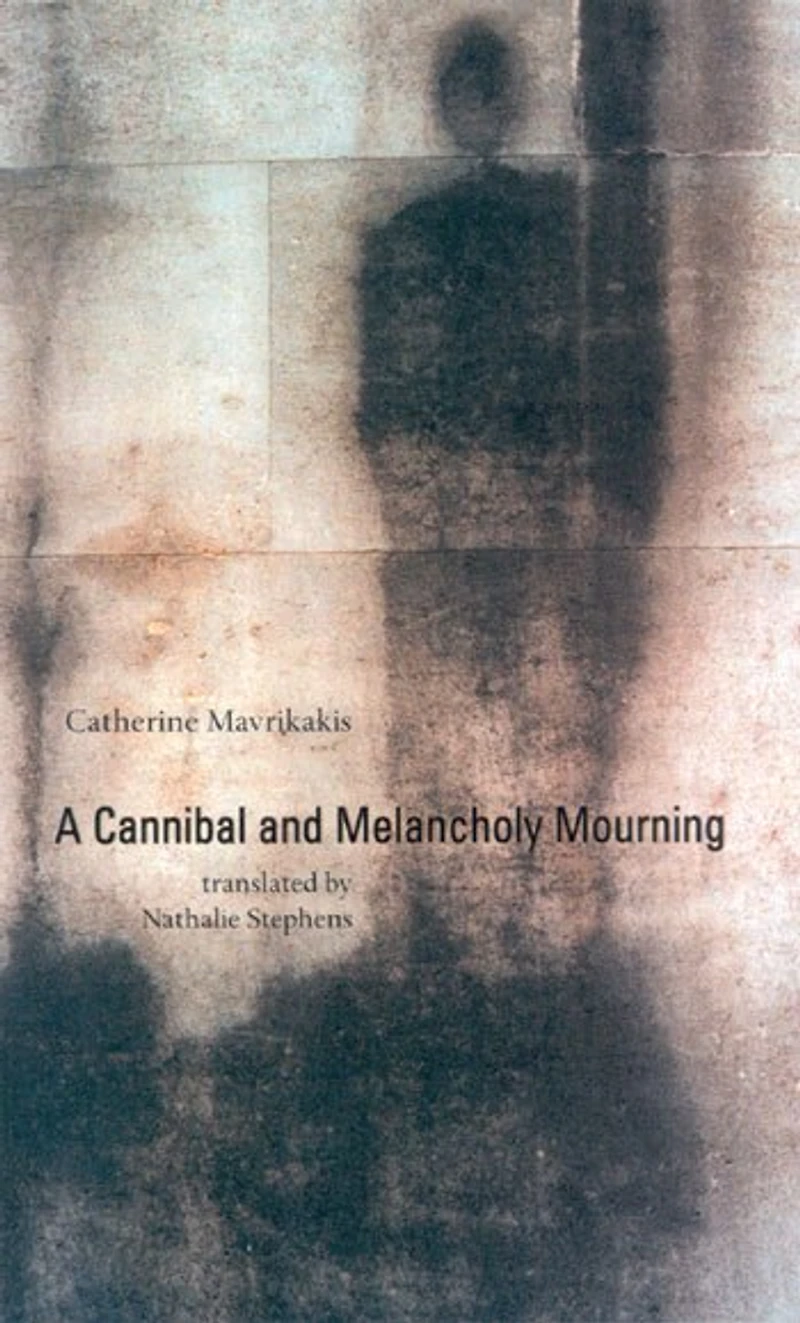
A Cannibal and Melancholy Mourning
Current price: $18.95

A Cannibal and Melancholy Mourning
Current price: $18.95
Loading Inventory...
Size: Paperback
*Product information may vary - to confirm product availability, pricing, shipping and return information please contact Indigo
French novelist Hervé Guilbert's 1991 novel, To the Friend Who Did Not Save My Life , is about a narrator named Hervé Guilbert who, after his close friend Muzil (really, Michel Foucault) dies of AIDS, begins to realize his symptoms are the same. In this same tradition of fictionalized memoir, this novel's narrator, called Catherine Mavrikakis, explores the perspective not of dying, but of the one left behind.
In the book, a series of Mavrikakis's friends die, many of AIDS. As each person becomes a Hervé to her, she begins to explore the idea of death as a universal yet individual experience. Furious, relieved, terrified and confused, the novel's narrator confronts the way people think about and respond to death, and quiet mourning is replaced by a series of encounters between the living and the dead. Drawing on Deleuze, Freud, Foucault and, of course, Guilbert, Mavrikakis creates a kind of living mausoleum where those unable to speak can still be heard, and where their voices challenge our passivity in the face of death.
French novelist Hervé Guilbert's 1991 novel, To the Friend Who Did Not Save My Life , is about a narrator named Hervé Guilbert who, after his close friend Muzil (really, Michel Foucault) dies of AIDS, begins to realize his symptoms are the same. In this same tradition of fictionalized memoir, this novel's narrator, called Catherine Mavrikakis, explores the perspective not of dying, but of the one left behind.
In the book, a series of Mavrikakis's friends die, many of AIDS. As each person becomes a Hervé to her, she begins to explore the idea of death as a universal yet individual experience. Furious, relieved, terrified and confused, the novel's narrator confronts the way people think about and respond to death, and quiet mourning is replaced by a series of encounters between the living and the dead. Drawing on Deleuze, Freud, Foucault and, of course, Guilbert, Mavrikakis creates a kind of living mausoleum where those unable to speak can still be heard, and where their voices challenge our passivity in the face of death.
You May Also Like











More About Indigo at Erin Mills Town Centre
The largest book retailer in Canada also offers toys, music, home décor, gifts and lifestyle products. What's Inside...Books, Magazines, CD’s and DVD’s, Toys and Gifts, Home Accents, Electronics, Baby’s and Children’s Section, Bath and Body, Kitchen and Bedroom, Stationary Located outside in the exterior plaza.
5015 Glen Erin Dr, Mississauga, ON L5M 0R7, Canada
Find Indigo at Erin Mills Town Centre in Mississauga ON
Visit Indigo at Erin Mills Town Centre in Mississauga ON