

GIVE THE PERFECT GIFT
Erin Mills Town Centre Gift Cards are the perfect choice for your gift giving needs.Purchase gift cards at kiosks near the food court or centre court, at Guest Services, or click below to purchase online.PURCHASE HEREHome
A Century of Compulsory Voting Australia: Genesis, Impact and Future
Indigo
Loading Inventory...
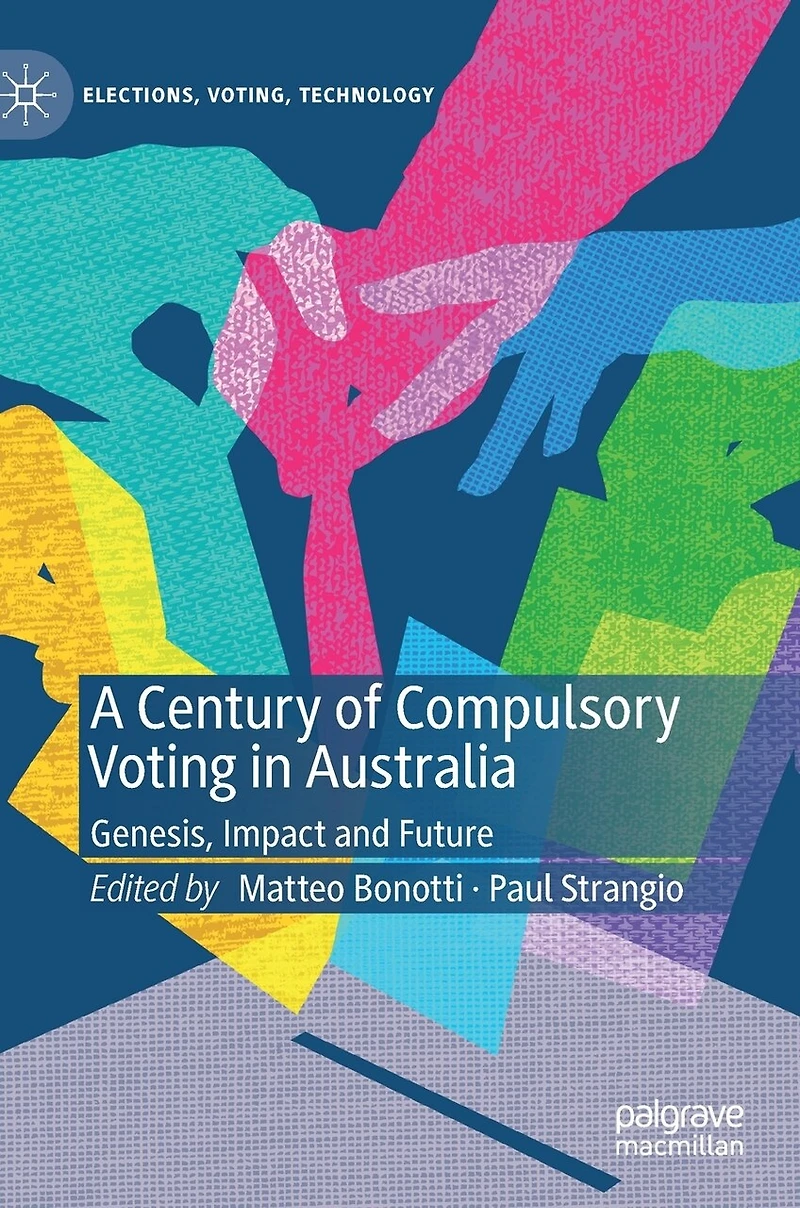
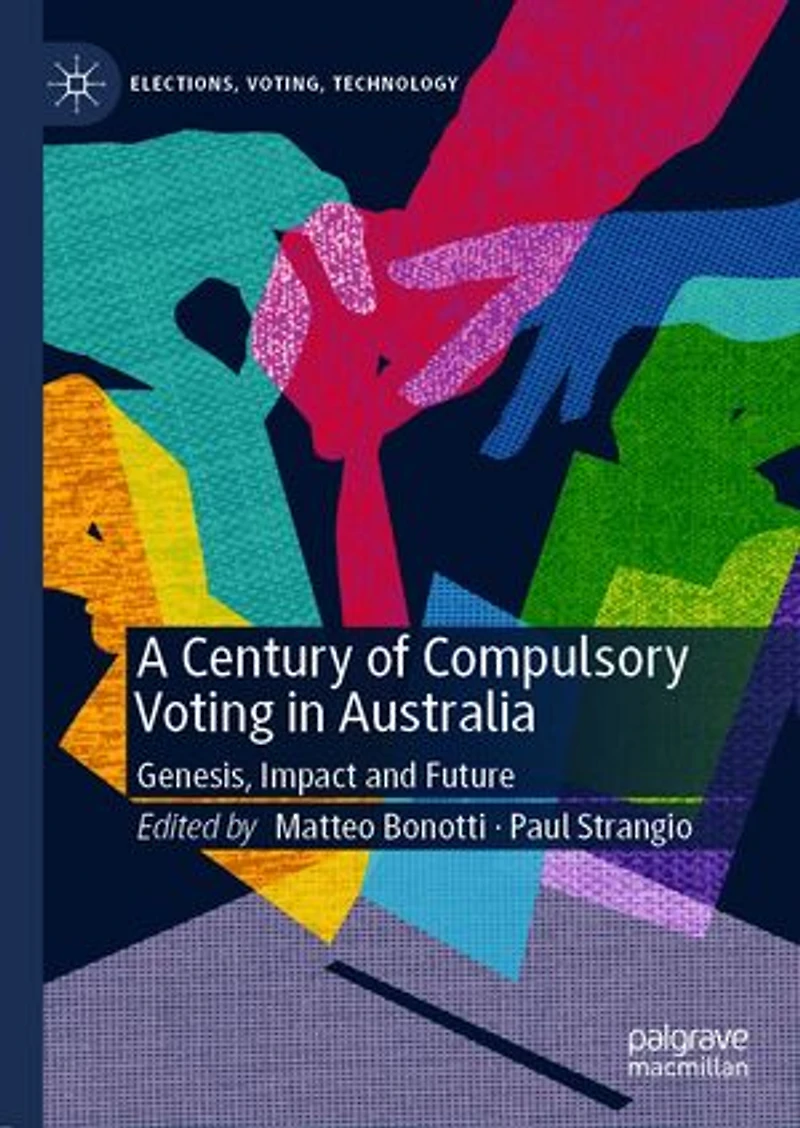
A Century of Compulsory Voting Australia: Genesis, Impact and Future
Current price: $204.50

A Century of Compulsory Voting Australia: Genesis, Impact and Future
Current price: $204.50
Loading Inventory...
Size: Hardcover
*Product information may vary - to confirm product availability, pricing, shipping and return information please contact Indigo
Compulsory voting has operated in Australia for a century, and remains the best known and arguably the most successful example of the practice globally. By probing that experience from several disciplinary perspectives, this book offers a fresh, up-to-date insight into the development and distinctive functioning of compulsory voting in Australia. By juxtaposing the Australian experience with that of other representative democracies in Europe and North America, the volume also offers a much needed comparative dimension to compulsory voting in Australia. A unifying theme running through this study is the relationship between compulsory voting and democratic well-being. Can we learn anything from Australia's experience of the practice that is instructive for the development of institutional bulwarks in an era when democratic politics is under pressure globally? Or is Australia's case sui generis - best understood in the final analysis as an intriguing outlier?
Compulsory voting has operated in Australia for a century, and remains the best known and arguably the most successful example of the practice globally. By probing that experience from several disciplinary perspectives, this book offers a fresh, up-to-date insight into the development and distinctive functioning of compulsory voting in Australia. By juxtaposing the Australian experience with that of other representative democracies in Europe and North America, the volume also offers a much needed comparative dimension to compulsory voting in Australia. A unifying theme running through this study is the relationship between compulsory voting and democratic well-being. Can we learn anything from Australia's experience of the practice that is instructive for the development of institutional bulwarks in an era when democratic politics is under pressure globally? Or is Australia's case sui generis - best understood in the final analysis as an intriguing outlier?
You May Also Like








More About Indigo at Erin Mills Town Centre
The largest book retailer in Canada also offers toys, music, home décor, gifts and lifestyle products. What's Inside...Books, Magazines, CD’s and DVD’s, Toys and Gifts, Home Accents, Electronics, Baby’s and Children’s Section, Bath and Body, Kitchen and Bedroom, Stationary Located outside in the exterior plaza.
5015 Glen Erin Dr, Mississauga, ON L5M 0R7, Canada
Find Indigo at Erin Mills Town Centre in Mississauga ON
Visit Indigo at Erin Mills Town Centre in Mississauga ON