

GIVE THE PERFECT GIFT
Erin Mills Town Centre Gift Cards are the perfect choice for your gift giving needs.Purchase gift cards at kiosks near the food court or centre court, at Guest Services, or click below to purchase online.PURCHASE HEREHome
A Chorus of Ears: On 'the voice the poem'
Indigo
Loading Inventory...
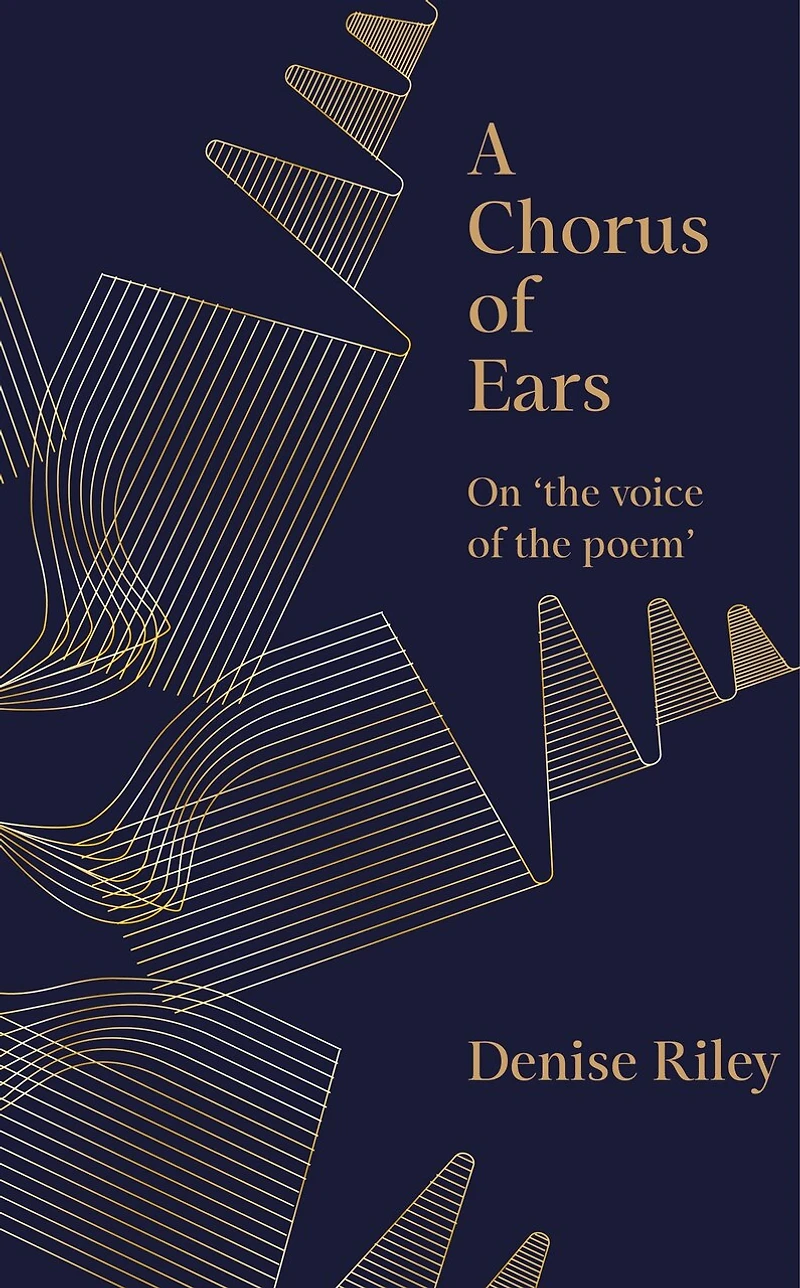
A Chorus of Ears: On 'the voice the poem'
Current price: $28.99

A Chorus of Ears: On 'the voice the poem'
Current price: $28.99
Loading Inventory...
Size: Hardcover
*Product information may vary - to confirm product availability, pricing, shipping and return information please contact Indigo
Essays on voice, lyric, and the persona of the poet from one of the greatest living English poets.
Originally delivered as a series of lectures at Trinity College, Cambridge, in A Chorus of Ears Denise Riley meditates upon the emphasis our literary culture places on the person(a) of the poet, relegating their actual poetry to a second-order importance. Prize culture and the primacy of the poet—as opposed to the poem—transform criticism into a beauty contest, constraining our ability to meet the lyric on its own terms.
What, Riley asks, might be discovered about the lyric's purpose, its originary point within our language and more yet besides, when we liberate it from the persona of the author? In allowing the poem to speak, what might we hear?
Essays on voice, lyric, and the persona of the poet from one of the greatest living English poets.
Originally delivered as a series of lectures at Trinity College, Cambridge, in A Chorus of Ears Denise Riley meditates upon the emphasis our literary culture places on the person(a) of the poet, relegating their actual poetry to a second-order importance. Prize culture and the primacy of the poet—as opposed to the poem—transform criticism into a beauty contest, constraining our ability to meet the lyric on its own terms.
What, Riley asks, might be discovered about the lyric's purpose, its originary point within our language and more yet besides, when we liberate it from the persona of the author? In allowing the poem to speak, what might we hear?
You May Also Like








More About Indigo at Erin Mills Town Centre
The largest book retailer in Canada also offers toys, music, home décor, gifts and lifestyle products. What's Inside...Books, Magazines, CD’s and DVD’s, Toys and Gifts, Home Accents, Electronics, Baby’s and Children’s Section, Bath and Body, Kitchen and Bedroom, Stationary Located outside in the exterior plaza.
5015 Glen Erin Dr, Mississauga, ON L5M 0R7, Canada
Find Indigo at Erin Mills Town Centre in Mississauga ON
Visit Indigo at Erin Mills Town Centre in Mississauga ON