

GIVE THE PERFECT GIFT
Erin Mills Town Centre Gift Cards are the perfect choice for your gift giving needs.Purchase gift cards at kiosks near the food court or centre court, at Guest Services, or click below to purchase online.PURCHASE HEREHome
A Church for The World: Church's Role Fostering Democracy and Sustainable Development
Indigo
Loading Inventory...
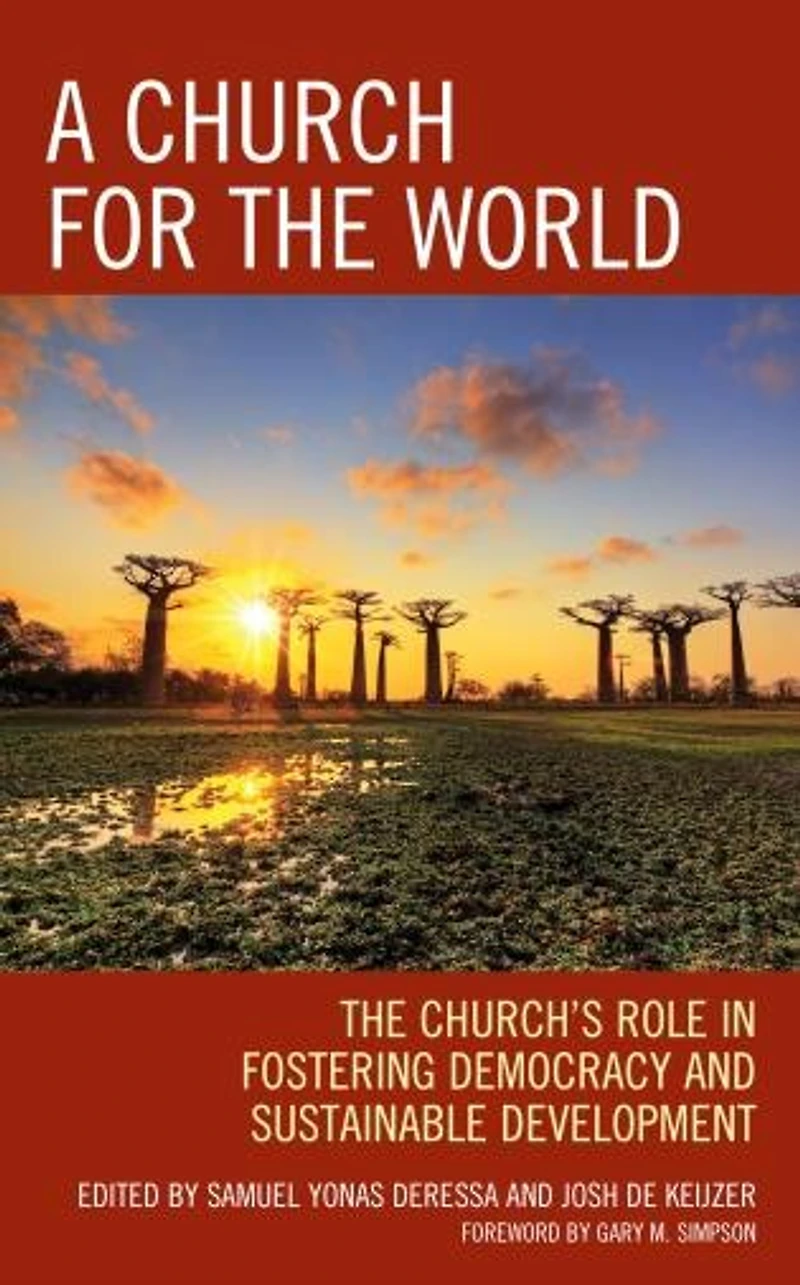
A Church for The World: Church's Role Fostering Democracy and Sustainable Development
Current price: $189.95

A Church for The World: Church's Role Fostering Democracy and Sustainable Development
Current price: $189.95
Loading Inventory...
Size: Hardcover
*Product information may vary - to confirm product availability, pricing, shipping and return information please contact Indigo
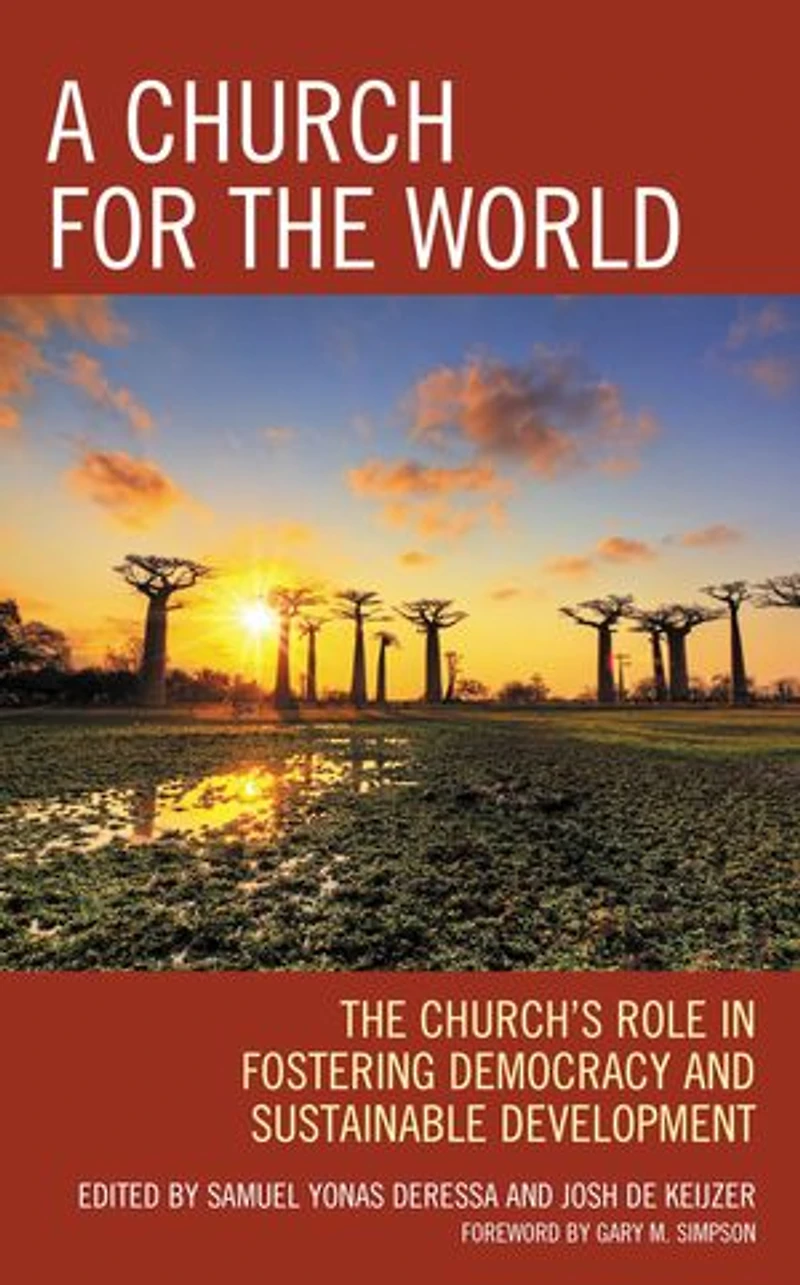
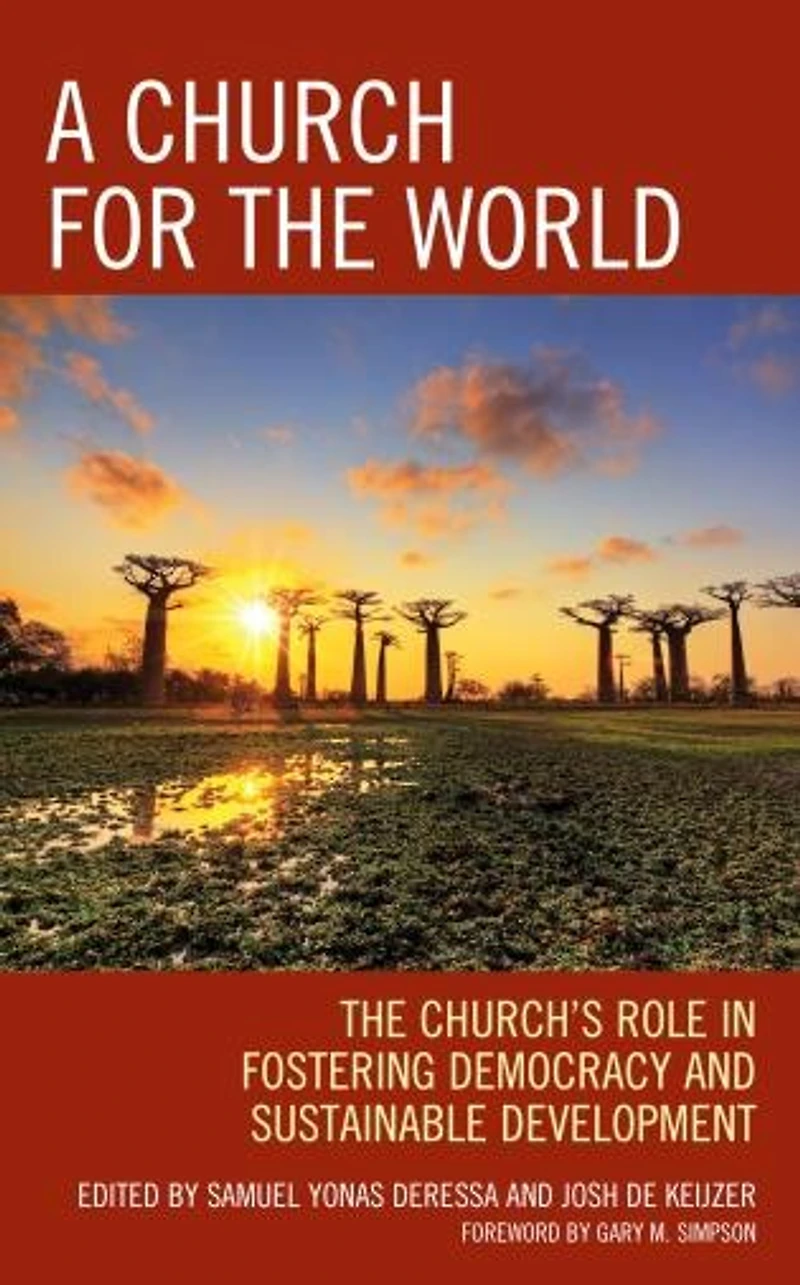
A Church for the World: The Church's Role in Fostering Democracy and Sustainable Development challenges theologians and lay readers alike to think about the role of the church vis-à-vis its responsibility to the world. How may the church contribute to democracy and foster sustainable development? Contributors from mostly non-Western theological communities offer historical, developmental, ecclesiastical, and theological perspectives on the church-world relationship, challenging misconceptions and practices that prevent the church from living up to its transformational vocation as salt and light in the world (Matt. 5:13-16). The driving force behind the questions and perspectives discussed here is Gustavo Gutierrez's axiom in A Theology of Liberation: A theology which fails to address the most urgent needs of ordinary people is not worthy of the word "theology." Proceeding from this insight, this book creates awareness about the relationship between religion, democracy, and development, and aims to strengthen the self-understanding of the church with regard to its responsibilities in the world.
A Church for the World: The Church's Role in Fostering Democracy and Sustainable Development challenges theologians and lay readers alike to think about the role of the church vis-à-vis its responsibility to the world. How may the church contribute to democracy and foster sustainable development? Contributors from mostly non-Western theological communities offer historical, developmental, ecclesiastical, and theological perspectives on the church-world relationship, challenging misconceptions and practices that prevent the church from living up to its transformational vocation as salt and light in the world (Matt. 5:13-16). The driving force behind the questions and perspectives discussed here is Gustavo Gutierrez's axiom in A Theology of Liberation: A theology which fails to address the most urgent needs of ordinary people is not worthy of the word "theology." Proceeding from this insight, this book creates awareness about the relationship between religion, democracy, and development, and aims to strengthen the self-understanding of the church with regard to its responsibilities in the world.
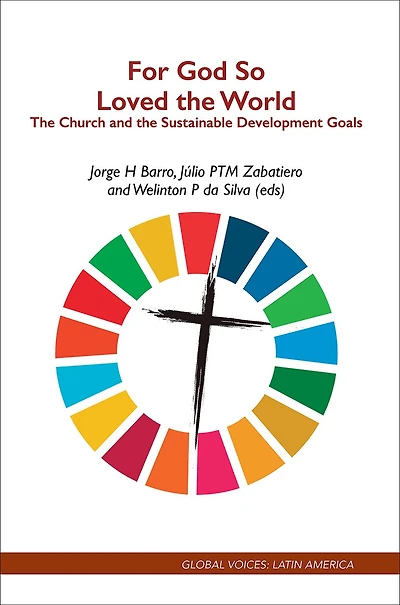
You May Also Like








More About Indigo at Erin Mills Town Centre
The largest book retailer in Canada also offers toys, music, home décor, gifts and lifestyle products. What's Inside...Books, Magazines, CD’s and DVD’s, Toys and Gifts, Home Accents, Electronics, Baby’s and Children’s Section, Bath and Body, Kitchen and Bedroom, Stationary Located outside in the exterior plaza.
5015 Glen Erin Dr, Mississauga, ON L5M 0R7, Canada
Find Indigo at Erin Mills Town Centre in Mississauga ON
Visit Indigo at Erin Mills Town Centre in Mississauga ON