

GIVE THE PERFECT GIFT
Erin Mills Town Centre Gift Cards are the perfect choice for your gift giving needs.Purchase gift cards at kiosks near the food court or centre court, at Guest Services, or click below to purchase online.PURCHASE HEREHome
A Companion to Anglican Eucharistic Theology: Volume 1: The Reformation to the 19th Century
Indigo
Loading Inventory...
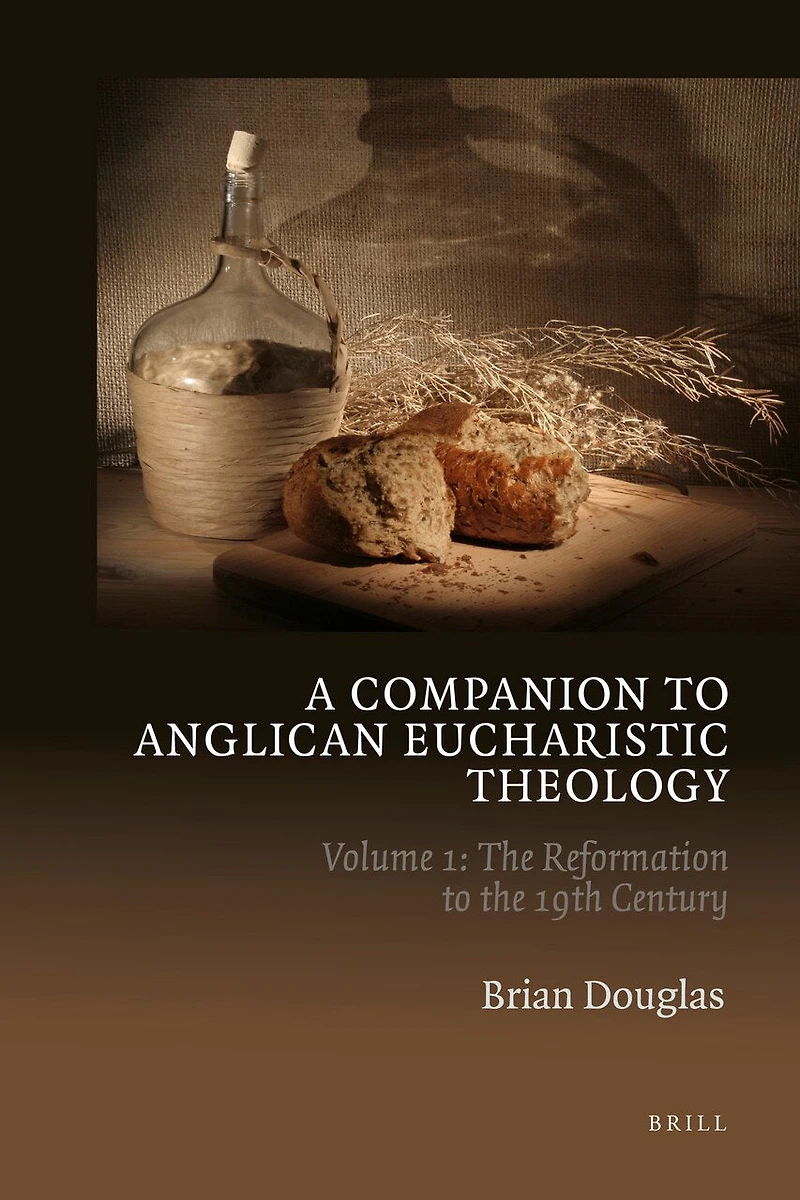
A Companion to Anglican Eucharistic Theology: Volume 1: The Reformation to the 19th Century
Current price: $410.99

A Companion to Anglican Eucharistic Theology: Volume 1: The Reformation to the 19th Century
Current price: $410.99
Loading Inventory...
Size: Hardcover
*Product information may vary - to confirm product availability, pricing, shipping and return information please contact Indigo
Anglican eucharistic theology varies between the different philosophical assumptions of realism and nominalism. Whereas realism links the signs of the Eucharist with what they signify in a real way, nominalism sees these signs as reminders only of past and completed transaction. This book begins by discussing the multifomity of the philosophical assumptions underlying Anglican eucharistic theology and goes on to present extensive case study material which exemplify these different assumptions from the Reformation to the Nineteenth century. By examining the multiformity of philosophical assumptions this book avoids the hermeneutic idealism of particular church parties and looks instead at the Anglican eucharistic tradition in a more critical manner.
Anglican eucharistic theology varies between the different philosophical assumptions of realism and nominalism. Whereas realism links the signs of the Eucharist with what they signify in a real way, nominalism sees these signs as reminders only of past and completed transaction. This book begins by discussing the multifomity of the philosophical assumptions underlying Anglican eucharistic theology and goes on to present extensive case study material which exemplify these different assumptions from the Reformation to the Nineteenth century. By examining the multiformity of philosophical assumptions this book avoids the hermeneutic idealism of particular church parties and looks instead at the Anglican eucharistic tradition in a more critical manner.
You May Also Like







More About Indigo at Erin Mills Town Centre
The largest book retailer in Canada also offers toys, music, home décor, gifts and lifestyle products. What's Inside...Books, Magazines, CD’s and DVD’s, Toys and Gifts, Home Accents, Electronics, Baby’s and Children’s Section, Bath and Body, Kitchen and Bedroom, Stationary Located outside in the exterior plaza.
5015 Glen Erin Dr, Mississauga, ON L5M 0R7, Canada
Find Indigo at Erin Mills Town Centre in Mississauga ON
Visit Indigo at Erin Mills Town Centre in Mississauga ON