

GIVE THE PERFECT GIFT
Erin Mills Town Centre Gift Cards are the perfect choice for your gift giving needs.Purchase gift cards at kiosks near the food court or centre court, at Guest Services, or click below to purchase online.PURCHASE HEREHome
A Conceptual History of Chinese -Isms: The Modernization of Ideological Discourse, 1895–1925
Indigo
Loading Inventory...
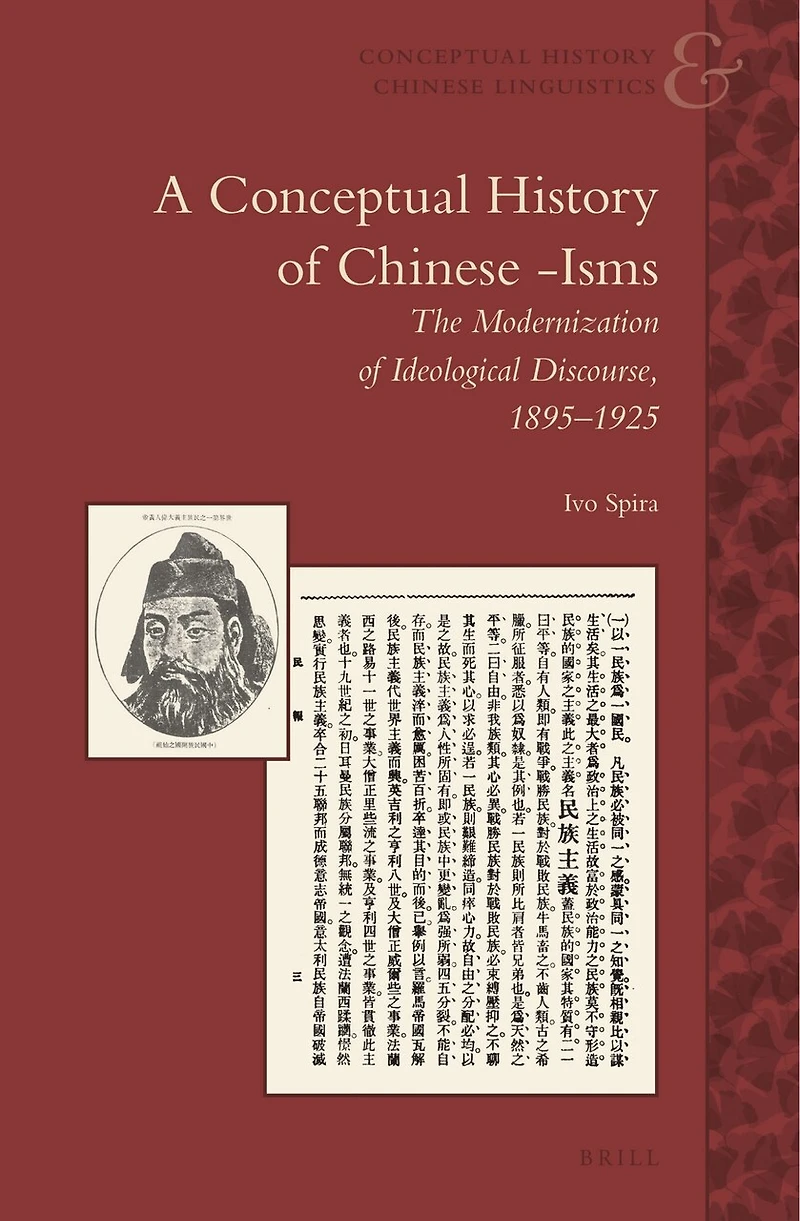
A Conceptual History of Chinese -Isms: The Modernization of Ideological Discourse, 1895–1925
Current price: $259.99

A Conceptual History of Chinese -Isms: The Modernization of Ideological Discourse, 1895–1925
Current price: $259.99
Loading Inventory...
Size: Hardcover
*Product information may vary - to confirm product availability, pricing, shipping and return information please contact Indigo
In A Conceptual History of Chinese -Isms , Ivo Spira explores the linguistic and rhetorical development of Chinese -isms, as well as the key concept zhǔyì 主義 ('ism') itself. He argues that the introduction of this concept from Japan in the 1890s inaugurated an 'Age of -Isms', in which it served as a conceptual focus for the stereotypical categorization of people and the utopian imagination of the future.
The book focuses on Chinese -isms in the formative period (1895–1925) through a close reading of key primary sources, covering linguistic, conceptual, and rhetorical aspects of their use in ideological reasoning. Spira emphasizes the combination of internal (traditional) and external (Western and Japanese) factors in the emergence of Chinese -isms.
In A Conceptual History of Chinese -Isms , Ivo Spira explores the linguistic and rhetorical development of Chinese -isms, as well as the key concept zhǔyì 主義 ('ism') itself. He argues that the introduction of this concept from Japan in the 1890s inaugurated an 'Age of -Isms', in which it served as a conceptual focus for the stereotypical categorization of people and the utopian imagination of the future.
The book focuses on Chinese -isms in the formative period (1895–1925) through a close reading of key primary sources, covering linguistic, conceptual, and rhetorical aspects of their use in ideological reasoning. Spira emphasizes the combination of internal (traditional) and external (Western and Japanese) factors in the emergence of Chinese -isms.
You May Also Like








More About Indigo at Erin Mills Town Centre
The largest book retailer in Canada also offers toys, music, home décor, gifts and lifestyle products. What's Inside...Books, Magazines, CD’s and DVD’s, Toys and Gifts, Home Accents, Electronics, Baby’s and Children’s Section, Bath and Body, Kitchen and Bedroom, Stationary Located outside in the exterior plaza.
5015 Glen Erin Dr, Mississauga, ON L5M 0R7, Canada
Find Indigo at Erin Mills Town Centre in Mississauga ON
Visit Indigo at Erin Mills Town Centre in Mississauga ON