

GIVE THE PERFECT GIFT
Erin Mills Town Centre Gift Cards are the perfect choice for your gift giving needs.Purchase gift cards at kiosks near the food court or centre court, at Guest Services, or click below to purchase online.PURCHASE HEREHome
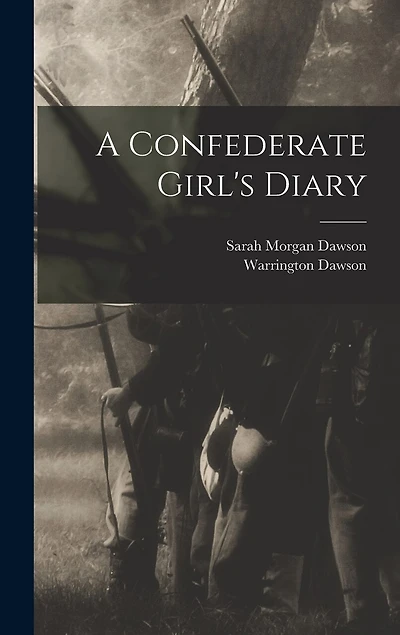
A Confederate Girl's Diary
Indigo
Loading Inventory...
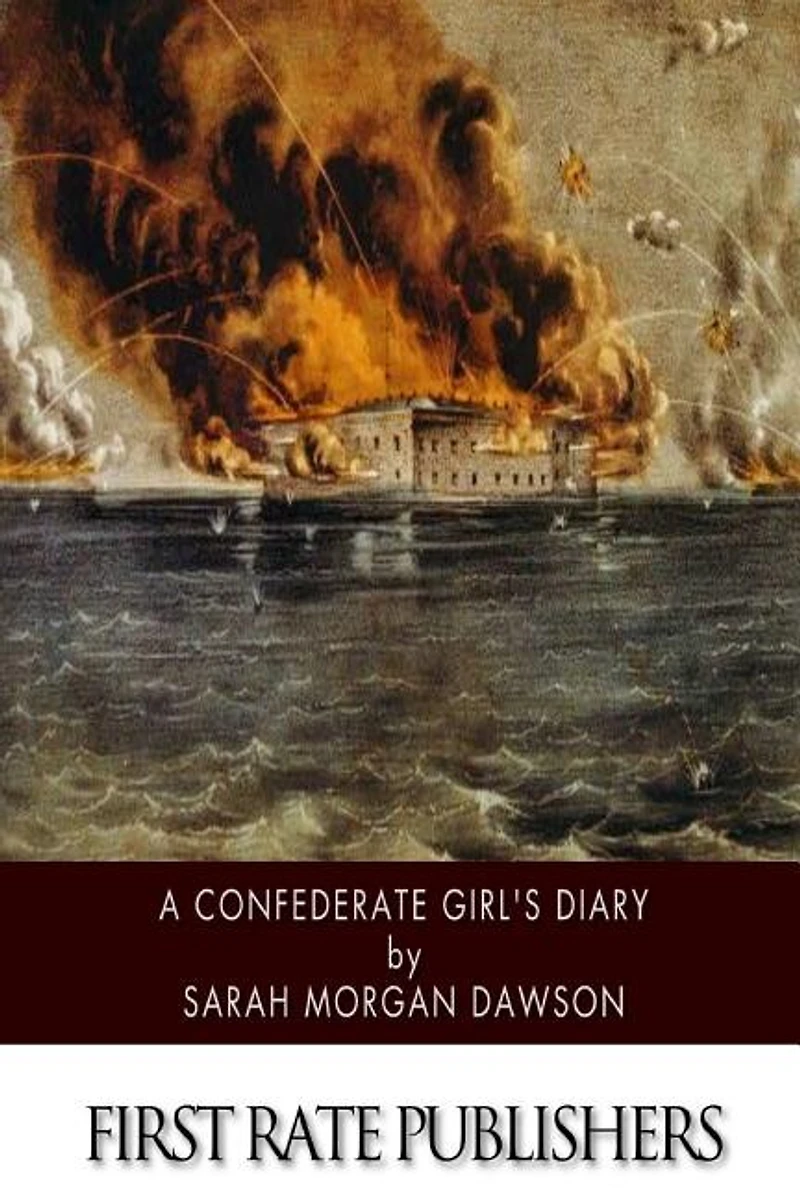
A Confederate Girl's Diary
Current price: $12.95

A Confederate Girl's Diary
Current price: $12.95
Loading Inventory...
Size: Paperback
*Product information may vary - to confirm product availability, pricing, shipping and return information please contact Indigo
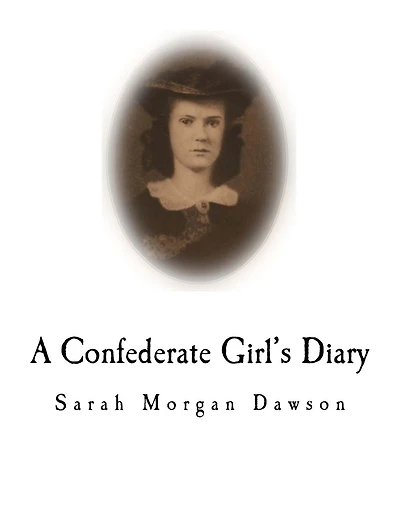
Many citizens wrote diaries during the Civil War. The surviving documents are an important first-person resource for historians studying the day-to-day effects of the war on the population. Sarah Morgan (1842 - 1909) was a former New Orleans debutant, having been born into an influential family. As she was to discover, her social status did not shield her from the frightful effects of the war. Her father, a prominent judge, died from an asthma attack. She lost one brother in a duel, and two others who died in battle. Yet, she had one brother who remained loyal to the Union. Sarah began her diary in 1861 and it finally consisted of six books ending in 1865. At war's end, she was living in New Orleans. She later moved to Columbia, SC, to live with her brother, James Morgan. In 1874, she married an Englishman, Francis W. Dawson, and never returned to Baton Rouge. In 1913 Sarah's son, Warrington Dawson, published a book, "A Confederate Girl's Diary", using his mother's six diaries, which she had instructed him to burn after her death. These diaries are a remarkable depiction of the occupation of Baton Rouge by the Union Forces. The war left her with feelings of bitterness that she never quite got over. Towards the end of her diary, she so poignantly remarked, "Let historians extol blood-shedding; it is woman's place to abhor it."
Many citizens wrote diaries during the Civil War. The surviving documents are an important first-person resource for historians studying the day-to-day effects of the war on the population. Sarah Morgan (1842 - 1909) was a former New Orleans debutant, having been born into an influential family. As she was to discover, her social status did not shield her from the frightful effects of the war. Her father, a prominent judge, died from an asthma attack. She lost one brother in a duel, and two others who died in battle. Yet, she had one brother who remained loyal to the Union. Sarah began her diary in 1861 and it finally consisted of six books ending in 1865. At war's end, she was living in New Orleans. She later moved to Columbia, SC, to live with her brother, James Morgan. In 1874, she married an Englishman, Francis W. Dawson, and never returned to Baton Rouge. In 1913 Sarah's son, Warrington Dawson, published a book, "A Confederate Girl's Diary", using his mother's six diaries, which she had instructed him to burn after her death. These diaries are a remarkable depiction of the occupation of Baton Rouge by the Union Forces. The war left her with feelings of bitterness that she never quite got over. Towards the end of her diary, she so poignantly remarked, "Let historians extol blood-shedding; it is woman's place to abhor it."
You May Also Like









More About Indigo at Erin Mills Town Centre
The largest book retailer in Canada also offers toys, music, home décor, gifts and lifestyle products. What's Inside...Books, Magazines, CD’s and DVD’s, Toys and Gifts, Home Accents, Electronics, Baby’s and Children’s Section, Bath and Body, Kitchen and Bedroom, Stationary Located outside in the exterior plaza.
5015 Glen Erin Dr, Mississauga, ON L5M 0R7, Canada
Find Indigo at Erin Mills Town Centre in Mississauga ON
Visit Indigo at Erin Mills Town Centre in Mississauga ON