

GIVE THE PERFECT GIFT
Erin Mills Town Centre Gift Cards are the perfect choice for your gift giving needs.Purchase gift cards at kiosks near the food court or centre court, at Guest Services, or click below to purchase online.PURCHASE HEREHome
a Connected Metropolis: Los Angeles Elites and the Making of Modern City, 1890-1965
Indigo
Loading Inventory...
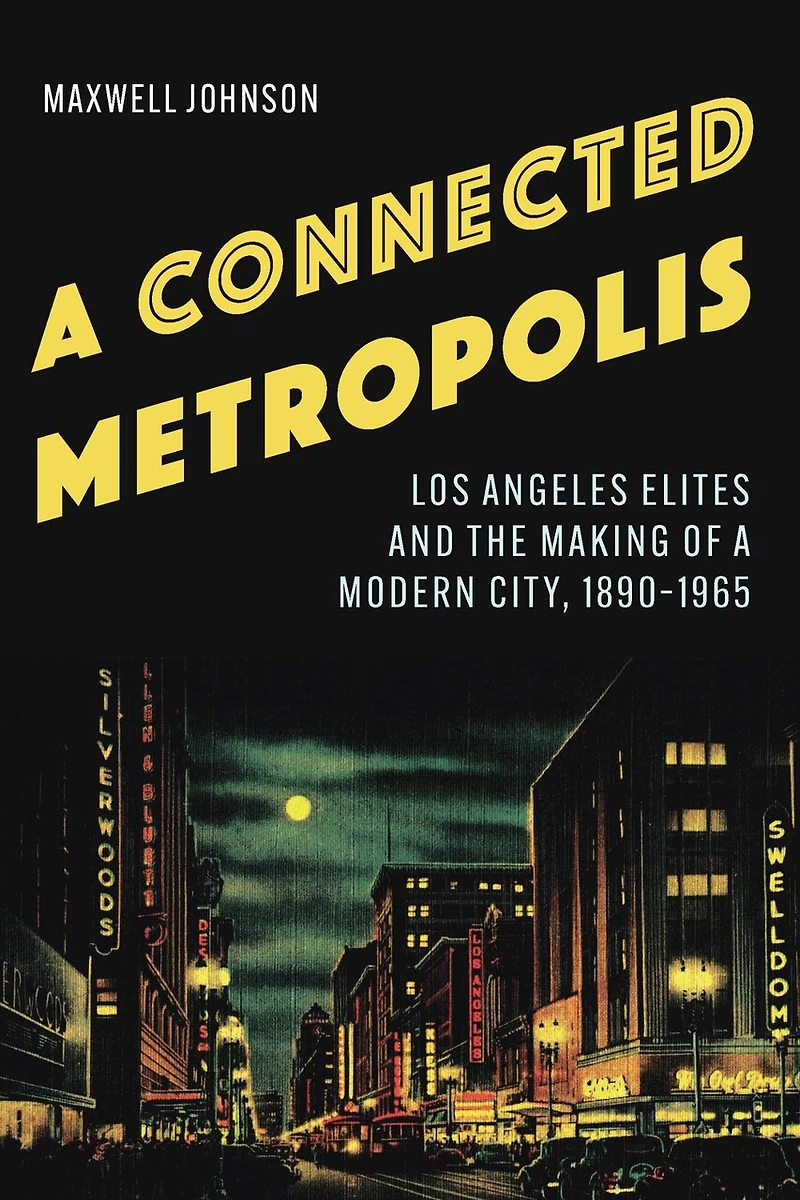
a Connected Metropolis: Los Angeles Elites and the Making of Modern City, 1890-1965
Current price: $81.95

a Connected Metropolis: Los Angeles Elites and the Making of Modern City, 1890-1965
Current price: $81.95
Loading Inventory...
Size: Hardcover
*Product information may vary - to confirm product availability, pricing, shipping and return information please contact Indigo
In A Connected Metropolis Maxwell Johnson describes Los Angeles's rise in the early twentieth century as catalyzed by a series of upper-class debates about the city's connections to the outside world. By focusing on specific moments in the city's development when tensions over Los Angeles's connections, or lack thereof, emerged, Johnson ties each movement to two or three contemporary figures who influenced the debates at hand. The elites' previous efforts to secure nationwide and global connections for Los Angeles were wildly successful following World War II. As a result, the city became a landing spot for African American migrants, Cambodian and Laotian refugees, and Mexican and Central American immigrants. Johnson argues that the city's history is more defined by external relationships than previously understood, and those relationships have given the history of the city more continuity than originally recognized.
At the turn of the twentieth century, the politics of connection revolved around initiatives to tie Los Angeles to other places both tangibly and metaphorically. Elites built tangible connections to secure, among other things, the water that irrigated the citrus farms of Los Angeles, the capital that propelled its businesses, and the people who migrated from the Midwest to buy its houses. To build metaphorical connections that located the city amid transcontinental and trans-Pacific movements, elites themselves often transcended nearby borders and pursued connections at will. Los Angeles stood as a focal point for elite ambitions, a place with a more ambivalent relationship to external connections. The true story of Los Angeles's rise lies in the spectacular visions and rambunctious activism of a group of elite men dedicated to transforming a remote frontier town into a global metropolis.
In A Connected Metropolis Maxwell Johnson describes Los Angeles's rise in the early twentieth century as catalyzed by a series of upper-class debates about the city's connections to the outside world. By focusing on specific moments in the city's development when tensions over Los Angeles's connections, or lack thereof, emerged, Johnson ties each movement to two or three contemporary figures who influenced the debates at hand. The elites' previous efforts to secure nationwide and global connections for Los Angeles were wildly successful following World War II. As a result, the city became a landing spot for African American migrants, Cambodian and Laotian refugees, and Mexican and Central American immigrants. Johnson argues that the city's history is more defined by external relationships than previously understood, and those relationships have given the history of the city more continuity than originally recognized.
At the turn of the twentieth century, the politics of connection revolved around initiatives to tie Los Angeles to other places both tangibly and metaphorically. Elites built tangible connections to secure, among other things, the water that irrigated the citrus farms of Los Angeles, the capital that propelled its businesses, and the people who migrated from the Midwest to buy its houses. To build metaphorical connections that located the city amid transcontinental and trans-Pacific movements, elites themselves often transcended nearby borders and pursued connections at will. Los Angeles stood as a focal point for elite ambitions, a place with a more ambivalent relationship to external connections. The true story of Los Angeles's rise lies in the spectacular visions and rambunctious activism of a group of elite men dedicated to transforming a remote frontier town into a global metropolis.
You May Also Like










More About Indigo at Erin Mills Town Centre
The largest book retailer in Canada also offers toys, music, home décor, gifts and lifestyle products. What's Inside...Books, Magazines, CD’s and DVD’s, Toys and Gifts, Home Accents, Electronics, Baby’s and Children’s Section, Bath and Body, Kitchen and Bedroom, Stationary Located outside in the exterior plaza.
5015 Glen Erin Dr, Mississauga, ON L5M 0R7, Canada
Find Indigo at Erin Mills Town Centre in Mississauga ON
Visit Indigo at Erin Mills Town Centre in Mississauga ON