

GIVE THE PERFECT GIFT
Erin Mills Town Centre Gift Cards are the perfect choice for your gift giving needs.Purchase gift cards at kiosks near the food court or centre court, at Guest Services, or click below to purchase online.PURCHASE HEREHome
A Constructively Critical Conversation Between Nonviolent and Substitutionary Perspectives on Atonement: Theological Motifs and Christological Implications
Indigo
Loading Inventory...
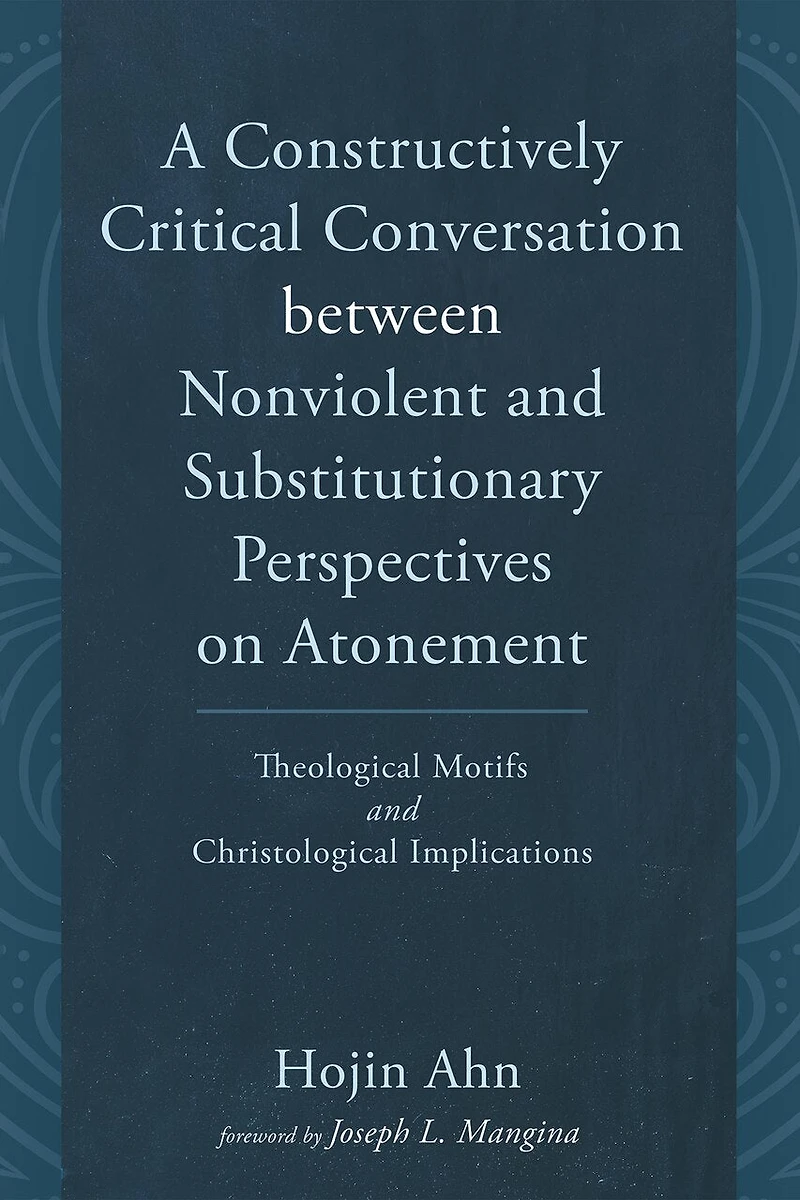
A Constructively Critical Conversation Between Nonviolent and Substitutionary Perspectives on Atonement: Theological Motifs and Christological Implications
Current price: $42.00

A Constructively Critical Conversation Between Nonviolent and Substitutionary Perspectives on Atonement: Theological Motifs and Christological Implications
Current price: $42.00
Loading Inventory...
Size: Paperback
*Product information may vary - to confirm product availability, pricing, shipping and return information please contact Indigo
In the contemporary theological world, traditional substitutionary accounts of Christ's atoning work have increasingly come under criticism for what is said to be their propensity for encouraging violence by a variety of theologians such as feminists, pacifists, and Girardians. Cur deus homo?, the question about God's sovereign purpose in Christ's atoning work, is radically transposed into "who killed Jesus?" which is a provocative inquiry into the ethical issues surrounding divine violence from the nonviolent perspective of atonement. Nonetheless, in this monograph, contrary to their nonviolent intention, you will witness that Brock, Schwager, and Weaver violently damage a "holistic" dimension of atonement event under the human cause of the victim Jesus' crucifixion by evil. By contrast, you will hear the harmonized voices of Anselm, Calvin, and Barth, who adamantly proclaim the incarnated Son of God's sovereignty in his self-giving death for our salvation. Furthermore, it is through the theological conversation between the opposite camps that you will realize how the anthropological motifs of healing, scapegoat mechanism, and nonviolence are to be constructively engaged with the Christological-cultic context of an evangelical doctrine of substitution. You will encounter the crux of Christ's saving death for us.
In the contemporary theological world, traditional substitutionary accounts of Christ's atoning work have increasingly come under criticism for what is said to be their propensity for encouraging violence by a variety of theologians such as feminists, pacifists, and Girardians. Cur deus homo?, the question about God's sovereign purpose in Christ's atoning work, is radically transposed into "who killed Jesus?" which is a provocative inquiry into the ethical issues surrounding divine violence from the nonviolent perspective of atonement. Nonetheless, in this monograph, contrary to their nonviolent intention, you will witness that Brock, Schwager, and Weaver violently damage a "holistic" dimension of atonement event under the human cause of the victim Jesus' crucifixion by evil. By contrast, you will hear the harmonized voices of Anselm, Calvin, and Barth, who adamantly proclaim the incarnated Son of God's sovereignty in his self-giving death for our salvation. Furthermore, it is through the theological conversation between the opposite camps that you will realize how the anthropological motifs of healing, scapegoat mechanism, and nonviolence are to be constructively engaged with the Christological-cultic context of an evangelical doctrine of substitution. You will encounter the crux of Christ's saving death for us.
You May Also Like














More About Indigo at Erin Mills Town Centre
The largest book retailer in Canada also offers toys, music, home décor, gifts and lifestyle products. What's Inside...Books, Magazines, CD’s and DVD’s, Toys and Gifts, Home Accents, Electronics, Baby’s and Children’s Section, Bath and Body, Kitchen and Bedroom, Stationary Located outside in the exterior plaza.
5015 Glen Erin Dr, Mississauga, ON L5M 0R7, Canada
Find Indigo at Erin Mills Town Centre in Mississauga ON
Visit Indigo at Erin Mills Town Centre in Mississauga ON