

GIVE THE PERFECT GIFT
Erin Mills Town Centre Gift Cards are the perfect choice for your gift giving needs.Purchase gift cards at kiosks near the food court or centre court, at Guest Services, or click below to purchase online.PURCHASE HEREHome
A Convex Mirror: Schopenhauers Philosophy and the Sciences
Indigo
Loading Inventory...
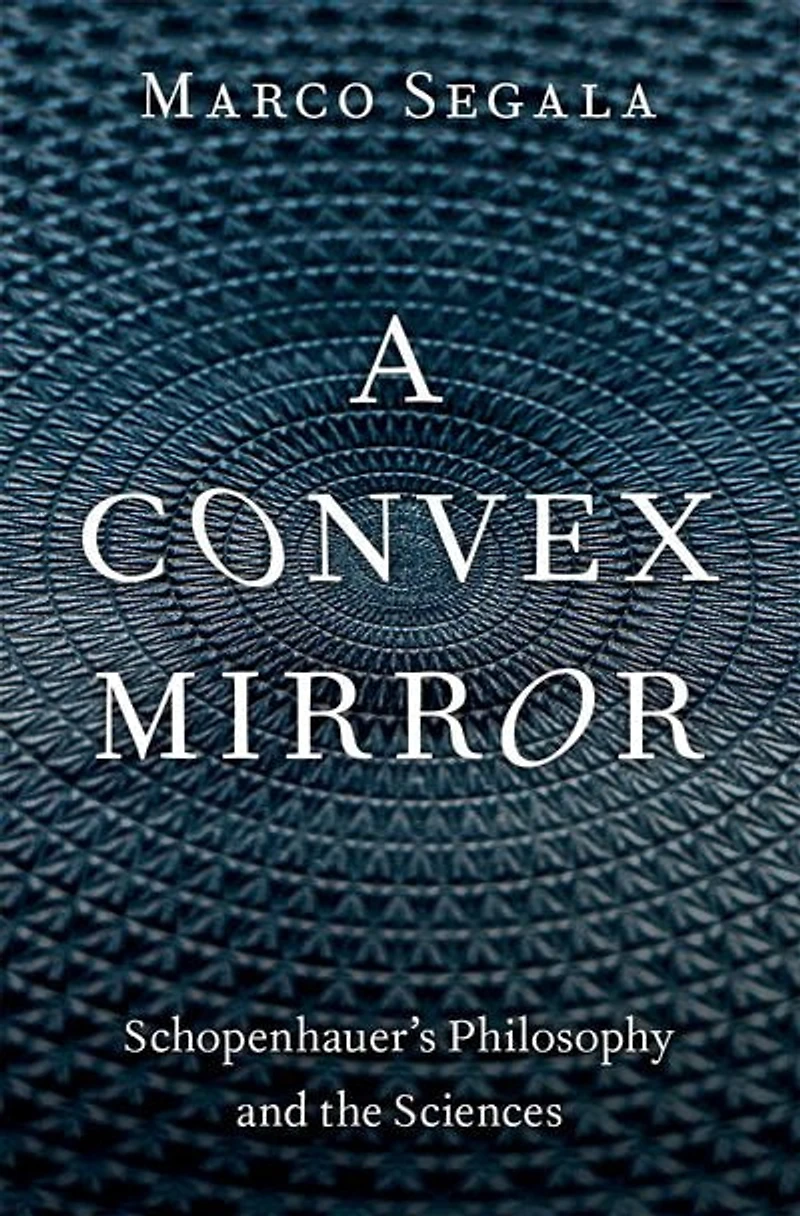

A Convex Mirror: Schopenhauers Philosophy and the Sciences
Current price: $133.99

A Convex Mirror: Schopenhauers Philosophy and the Sciences
Current price: $133.99
Loading Inventory...
Size: Hardcover
*Product information may vary - to confirm product availability, pricing, shipping and return information please contact Indigo
Schopenhauer is most recognizable as "the philosopher of pessimism," the author of a system that teaches how art and morality can help human beings navigate life in "the worst of all possible worlds." This dominant image of Schopenhauer has cut off an important branch of his tree of philosophy: the metaphysics of nature and its dialogue with the sciences of the time. A Convex Mirror sheds new light on the development of Schopenhauer's philosophy and his ongoing engagement with the natural sciences. Understanding Schopenhauer's metaphysics requires both an insight into his relationship with science and an appreciation of the role of the natural sciences in his philosophical project. In the first edition of The World as Will and Representation (1819), Schopenhauer dealt with science within the framework of Kant and Schelling's philosophies of nature, but his growing perplexity with them led him to an original, more complex conception of the relationship between science and metaphysics. He therefore embarked on a revision of his metaphysics of nature, which ultimately affected its core concepts--namely, the will and ideas--and influenced his decision to publish a volume of Supplements (1844) rather than a revised edition of his main work. The evolving relationship of Schopenhauer's philosophy to the natural sciences is a powerful interpretative tool: a "convex diffusing mirror" that reflects the totality and complexity of his system and sheds light on the core concepts of his philosophy, such as the systematic structure of his philosophy, reality and representation, idealism and realism, the polysemic nature of ideas, and the will as the thing in itself.
Schopenhauer is most recognizable as "the philosopher of pessimism," the author of a system that teaches how art and morality can help human beings navigate life in "the worst of all possible worlds." This dominant image of Schopenhauer has cut off an important branch of his tree of philosophy: the metaphysics of nature and its dialogue with the sciences of the time. A Convex Mirror sheds new light on the development of Schopenhauer's philosophy and his ongoing engagement with the natural sciences. Understanding Schopenhauer's metaphysics requires both an insight into his relationship with science and an appreciation of the role of the natural sciences in his philosophical project. In the first edition of The World as Will and Representation (1819), Schopenhauer dealt with science within the framework of Kant and Schelling's philosophies of nature, but his growing perplexity with them led him to an original, more complex conception of the relationship between science and metaphysics. He therefore embarked on a revision of his metaphysics of nature, which ultimately affected its core concepts--namely, the will and ideas--and influenced his decision to publish a volume of Supplements (1844) rather than a revised edition of his main work. The evolving relationship of Schopenhauer's philosophy to the natural sciences is a powerful interpretative tool: a "convex diffusing mirror" that reflects the totality and complexity of his system and sheds light on the core concepts of his philosophy, such as the systematic structure of his philosophy, reality and representation, idealism and realism, the polysemic nature of ideas, and the will as the thing in itself.
You May Also Like












More About Indigo at Erin Mills Town Centre
The largest book retailer in Canada also offers toys, music, home décor, gifts and lifestyle products. What's Inside...Books, Magazines, CD’s and DVD’s, Toys and Gifts, Home Accents, Electronics, Baby’s and Children’s Section, Bath and Body, Kitchen and Bedroom, Stationary Located outside in the exterior plaza.
5015 Glen Erin Dr, Mississauga, ON L5M 0R7, Canada
Find Indigo at Erin Mills Town Centre in Mississauga ON
Visit Indigo at Erin Mills Town Centre in Mississauga ON