

GIVE THE PERFECT GIFT
Erin Mills Town Centre Gift Cards are the perfect choice for your gift giving needs.Purchase gift cards at kiosks near the food court or centre court, at Guest Services, or click below to purchase online.PURCHASE HEREHome
A Corpus-Based Study of Nominalization Translations Chinese Literary Prose: Three Versions "Dream the Red Chamber"
Indigo
Loading Inventory...
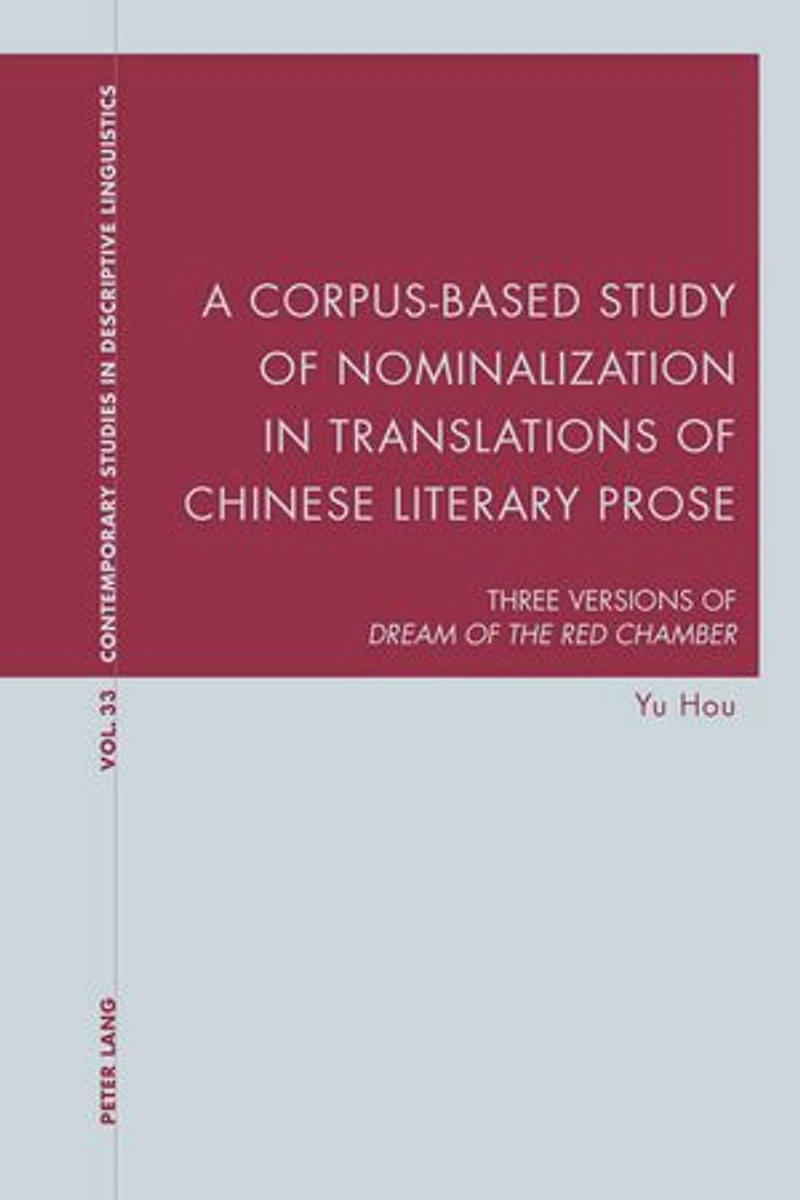
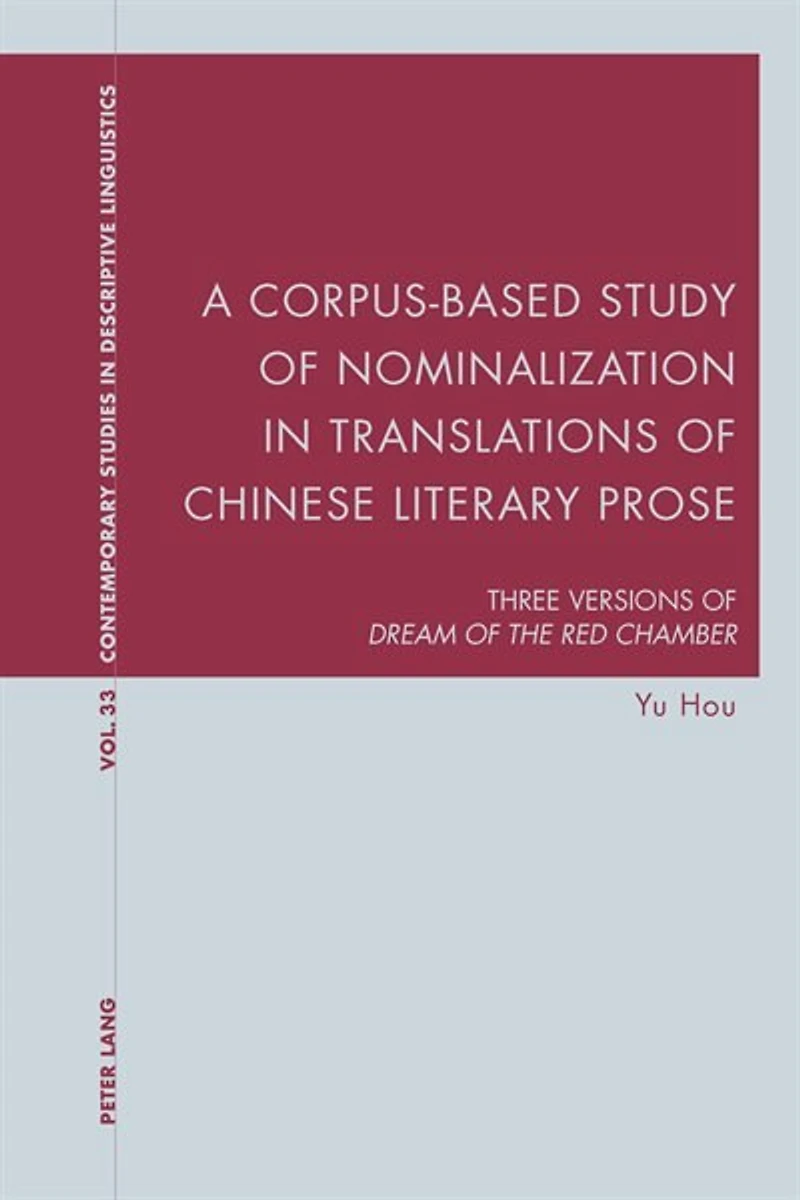
A Corpus-Based Study of Nominalization Translations Chinese Literary Prose: Three Versions "Dream the Red Chamber"
Current price: $95.69
Original price: $119.57

A Corpus-Based Study of Nominalization Translations Chinese Literary Prose: Three Versions "Dream the Red Chamber"
Current price: $95.69
Original price: $119.57
Loading Inventory...
Size: Kobo eBook
*Product information may vary - to confirm product availability, pricing, shipping and return information please contact Indigo
This corpus-based study investigates the use of nominalization in English translations of Chinese literary prose through the analysis of three English versions of the Chinese novel Hong Lou Meng ( Dream of the Red Chamber ).
Previous studies have explored the relevance of the cultural and linguistic positioning of different translators, but thus far no corpus-based study of nominalization has been undertaken in relation to translator style. This book uses quantitative and qualitative analyses of the nominalized transform of finite verbal forms in three Chinese-to-English translations to distinguish between translator styles, concluding that nominalization is a key identifier in translations.
This book provides a comprehensive picture of the use of nominalization in English translations of Chinese literary prose and, more generally, encourages further study into nominalization in translation.
This corpus-based study investigates the use of nominalization in English translations of Chinese literary prose through the analysis of three English versions of the Chinese novel Hong Lou Meng ( Dream of the Red Chamber ).
Previous studies have explored the relevance of the cultural and linguistic positioning of different translators, but thus far no corpus-based study of nominalization has been undertaken in relation to translator style. This book uses quantitative and qualitative analyses of the nominalized transform of finite verbal forms in three Chinese-to-English translations to distinguish between translator styles, concluding that nominalization is a key identifier in translations.
This book provides a comprehensive picture of the use of nominalization in English translations of Chinese literary prose and, more generally, encourages further study into nominalization in translation.
You May Also Like








More About Indigo at Erin Mills Town Centre
The largest book retailer in Canada also offers toys, music, home décor, gifts and lifestyle products. What's Inside...Books, Magazines, CD’s and DVD’s, Toys and Gifts, Home Accents, Electronics, Baby’s and Children’s Section, Bath and Body, Kitchen and Bedroom, Stationary Located outside in the exterior plaza.
5015 Glen Erin Dr, Mississauga, ON L5M 0R7, Canada
Find Indigo at Erin Mills Town Centre in Mississauga ON
Visit Indigo at Erin Mills Town Centre in Mississauga ON