

GIVE THE PERFECT GIFT
Erin Mills Town Centre Gift Cards are the perfect choice for your gift giving needs.Purchase gift cards at kiosks near the food court or centre court, at Guest Services, or click below to purchase online.PURCHASE HEREHome
A Critical Phenomenology of Music: Disclosing/Transposing the Habitual Body Schema
Indigo
Loading Inventory...
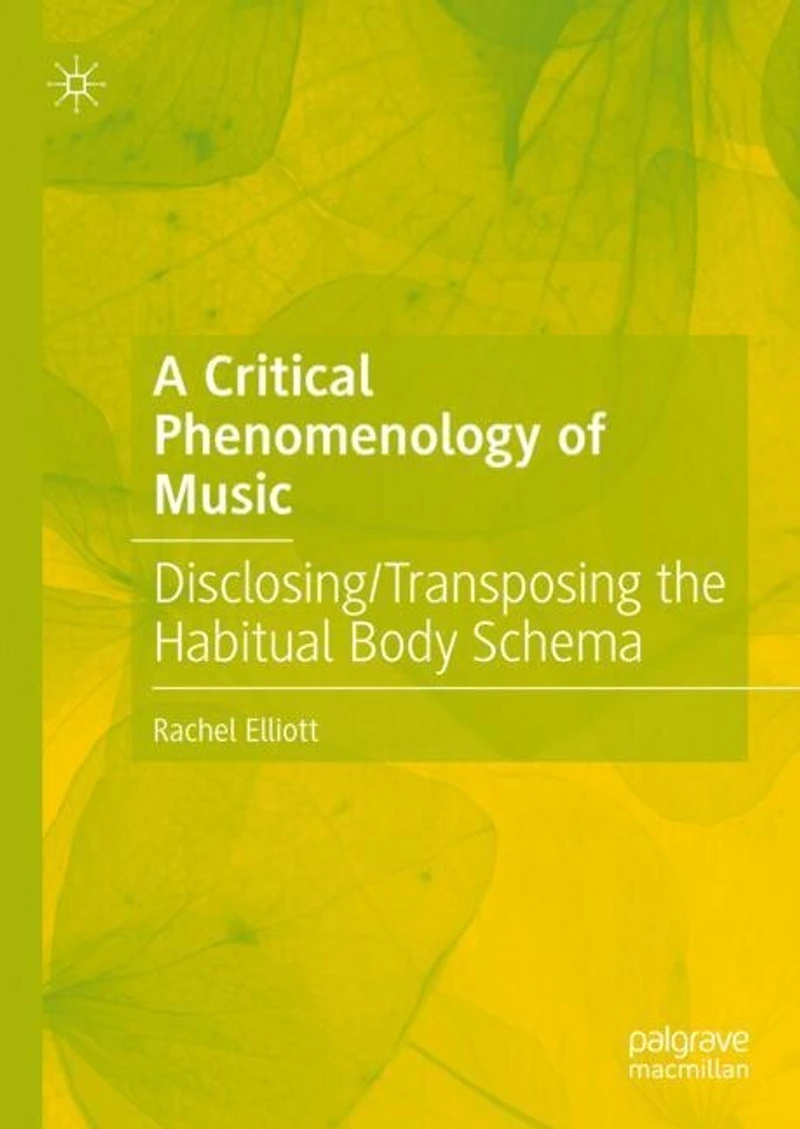
A Critical Phenomenology of Music: Disclosing/Transposing the Habitual Body Schema
Current price: $189.95

A Critical Phenomenology of Music: Disclosing/Transposing the Habitual Body Schema
Current price: $189.95
Loading Inventory...
Size: Hardcover
*Product information may vary - to confirm product availability, pricing, shipping and return information please contact Indigo
Drawing a link between music and what Maurice Merleau-Ponty calls the habit body & a quasi-transcendental structure at the heart of our perceptual, social, and agential being & this book helps articulate why music has the power to express as well as shape our existence at a fundamental level. Using phenomenology, research in the cognitive sciences, and first-person descriptions of musical experiences, this book addresses topics such as the relationship of music to identity, the capacity of music to be personally and socially transformative, the role of music in our perception of others, the connection between music and trauma, and the possibility of engendering we-experiences through shared musical time.
Drawing a link between music and what Maurice Merleau-Ponty calls the habit body & a quasi-transcendental structure at the heart of our perceptual, social, and agential being & this book helps articulate why music has the power to express as well as shape our existence at a fundamental level. Using phenomenology, research in the cognitive sciences, and first-person descriptions of musical experiences, this book addresses topics such as the relationship of music to identity, the capacity of music to be personally and socially transformative, the role of music in our perception of others, the connection between music and trauma, and the possibility of engendering we-experiences through shared musical time.




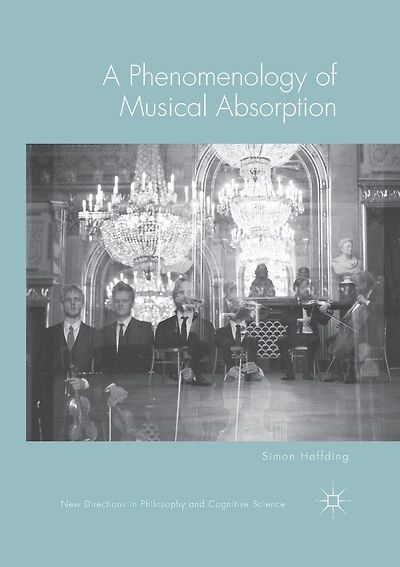







More About Indigo at Erin Mills Town Centre
The largest book retailer in Canada also offers toys, music, home décor, gifts and lifestyle products. What's Inside...Books, Magazines, CD’s and DVD’s, Toys and Gifts, Home Accents, Electronics, Baby’s and Children’s Section, Bath and Body, Kitchen and Bedroom, Stationary Located outside in the exterior plaza.
5015 Glen Erin Dr, Mississauga, ON L5M 0R7, Canada
Find Indigo at Erin Mills Town Centre in Mississauga ON
Visit Indigo at Erin Mills Town Centre in Mississauga ON